Advertisement
 Sponsored
Choosing wedding floral arrangements is one of the fastest ways to make your celebration feel intentional: whether you are marrying in a city loft, a countryside estate, or overlooking the Aegean. The best designs are not random buckets of blooms; they match your architecture, light, and story. This guide walks through what works where, which 2026 directions couples are actually booking, and how to stretch your budget without losing the magic.
Plan Your Event
One platform for every occasion: weddings, baptisms, corporate events and private parties.
Sculptural and architectural blooms for maximum impact
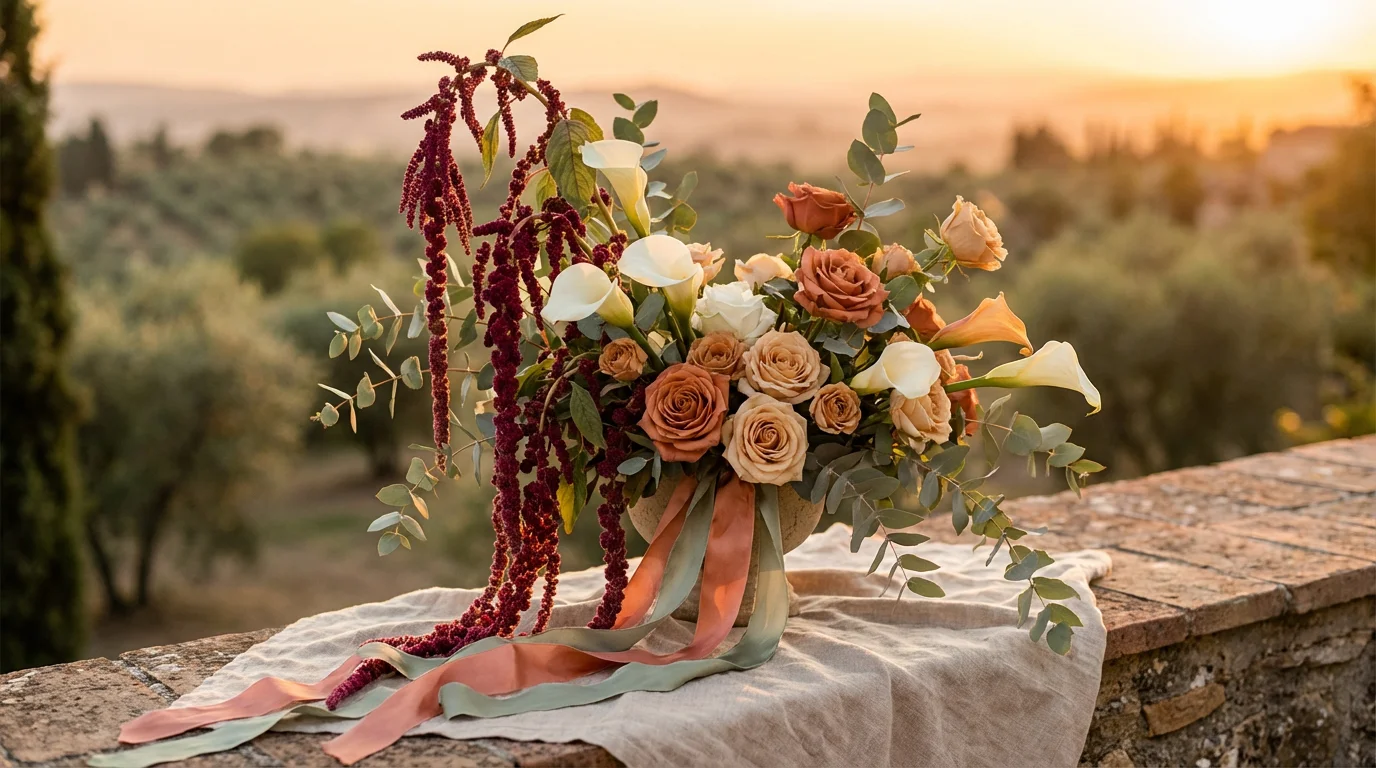
The most memorable weddings right now lean into shape and movement, not just colour. Florists are building pieces with negative space so the eye can rest, think long stems of calla lilies grouped in monofloral lines, or cascading accents of lily of the valley that feel editorial rather than “puffy.” Amaranthus and other draping stems add drama in arches and hanging installations because they draw the gaze upward and soften hard venue lines.
That approach travels beautifully for destination weddings: you can keep luggage-light by focusing budget on one or two hero moments, the ceremony arch and the head table, rather than filling every surface.
Pro tip: Share photos of your venue’s ceilings, columns, and dance floor with your florist early. Structural surprises (low beams, sea breeze, narrow aisles) change what can be hung or how tall centrepieces can be.
Colour palettes that flatter real venues and photography
Warm, grounded palettes: terracotta, mocha, dusty mauve, deep burgundy, are dominating mood boards, alongside jewel tones for autumn and winter. All-white is back, too, but with texture as the hero: varied petal sizes, glossy leaves, and matte ceramics instead of flat “snowball” clusters.
If you are planning in strong Mediterranean light, ask your florist to show samples outdoors. Colours that look soft indoors can bleach in harsh sun; a good pro will adjust saturation so your wedding website gallery and your album still feel cohesive.
Ceremony arrangements that work harder at the reception
Sustainability is less a buzzword now and more a budget strategy: couples routinely move aisle markers to the cocktail space, repurpose the arch greenery behind the top table, or float ceremony bowl arrangements along a long guest table. The best wedding floral arrangements are planned as one story that shifts location, not two separate orders that happen to use the same flowers.
Discuss timing with your coordinator: who moves what, during which song or course change, and whether water sources are available for delicate stems.
Centrepieces: low lush, tall airy, or “sunken meadow”
For receptions, three winning formats keep appearing:
| Style | Best for | Watch-outs |
| Low and lush | Conversation-first seating, family-style dining | Keep below eye line; scent-sensitive guests |
| Tall, airy branches or single stems | Grand ballrooms, high ceilings | Stability in outdoor wind |
| Sunken or meadow-style | Long tables, organic layouts | Needs clear sightlines for speeches |
Pair your choice with your seating plan: if guests will lean across the table all night, tall vases become obstacles. If you are using a digital seating chart and tight timings, simpler centrepieces can reduce setup stress.
Personalisation beats Pinterest clones
The arrangements that feel “best” for your wedding are the ones that echo your actual story: herbs from a grandmother’s garden, a nod to your first holiday, a variety that bloomed on the day you met. Experienced florists love a clear mood reference but hate copying viral installs shot-for-shot; originality reads more luxurious.
If you are still shortlisting suppliers, browsing vendors who understand modern celebrations can help you find teams used to digital timelines and last-minute guest tweaks.
Frequently asked questions
What floral arrangements should I prioritise if my budget is tight?
Invest in what photographs during the ceremony (arch or aisle) and what guests touch (their table). Foyer extras and bathroom buds are lovely but rarely missed if you need to trim.
How far in advance should I book a wedding florist?
For peak Saturdays and destination islands, nine to twelve months is sensible. For off-season weekdays you may have more flexibility, but lock your florist once venue and rough guest count exist, stem costs and availability change seasonally.
Do certain flowers travel better for destination weddings?
Hardier varieties and designs with proper hydration systems travel better than ultra-delicate field blooms. Your florist can suggest local substitutes that match your palette if importing specific stems is unreliable.
Should ceremony and reception flowers match exactly?
They should feel cohesive, not identical. Repeating two or three signature blooms and one foliage type ties spaces together even if scale changes.
How do I describe what I want if I am not fluent in floral terms?
Bring 15 to 20 reference images, your dress fabric swatch, and a floor plan. Ask for a proposal that names focal pieces, secondary tables, and repurposing moves in plain language.
Bring décor, guests, and logistics into one calm story
Floral design is only one thread in the tapestry of your day. When bouquets, timelines, and headcounts live in disconnected chats, even beautiful arrangements cannot save the stress. Managing your celebration in one workspace, vendors, guest list, RSVP, and planning hub details: keeps your florist, coordinator, and partner aligned.
Platforms such as WhiteClover exist so couples can spend less energy chasing updates and more time enjoying the aesthetic choices that make the room feel like yours. When every stem has a purpose and every guest has a clear digital home for maps and timings, your wedding reads as polished, not frantic.
Start your journey to calmer planning at whiteclover.io or open your dashboard, and let your florals shine in a day that finally feels organised.
Recommended
Written by
Apostolis K
Part of the WhiteClover team, helping couples and hosts plan unforgettable events with modern digital tools. Passionate about simplifying the celebration planning journey.
You Might Also Like
 Inspiration
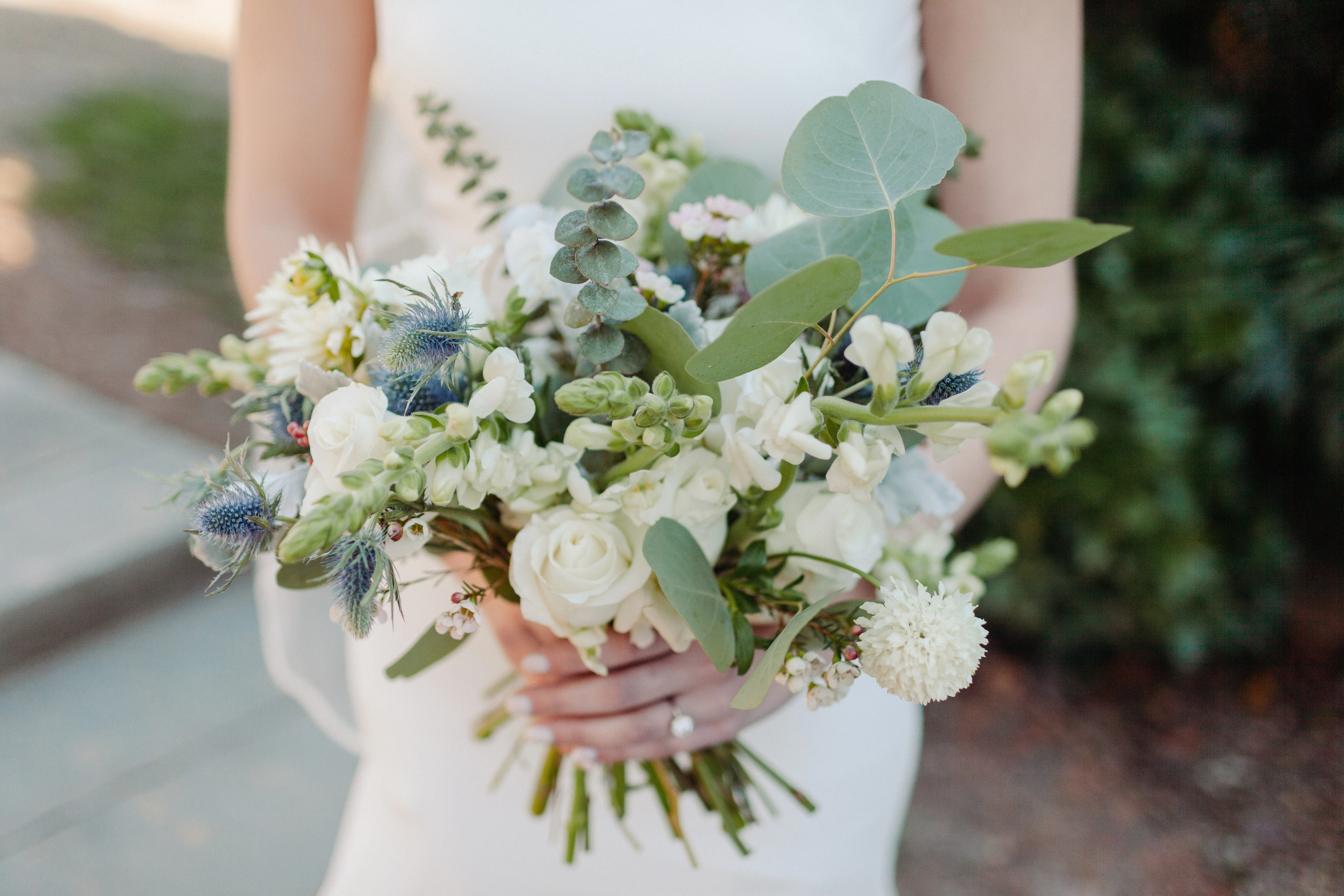
10 Flowers for Your Wedding Arrangements
Choosing flowers for your wedding can feel overwhelming. Here are 10 stunning blooms to include in your arrangements.
 Wedding Planning
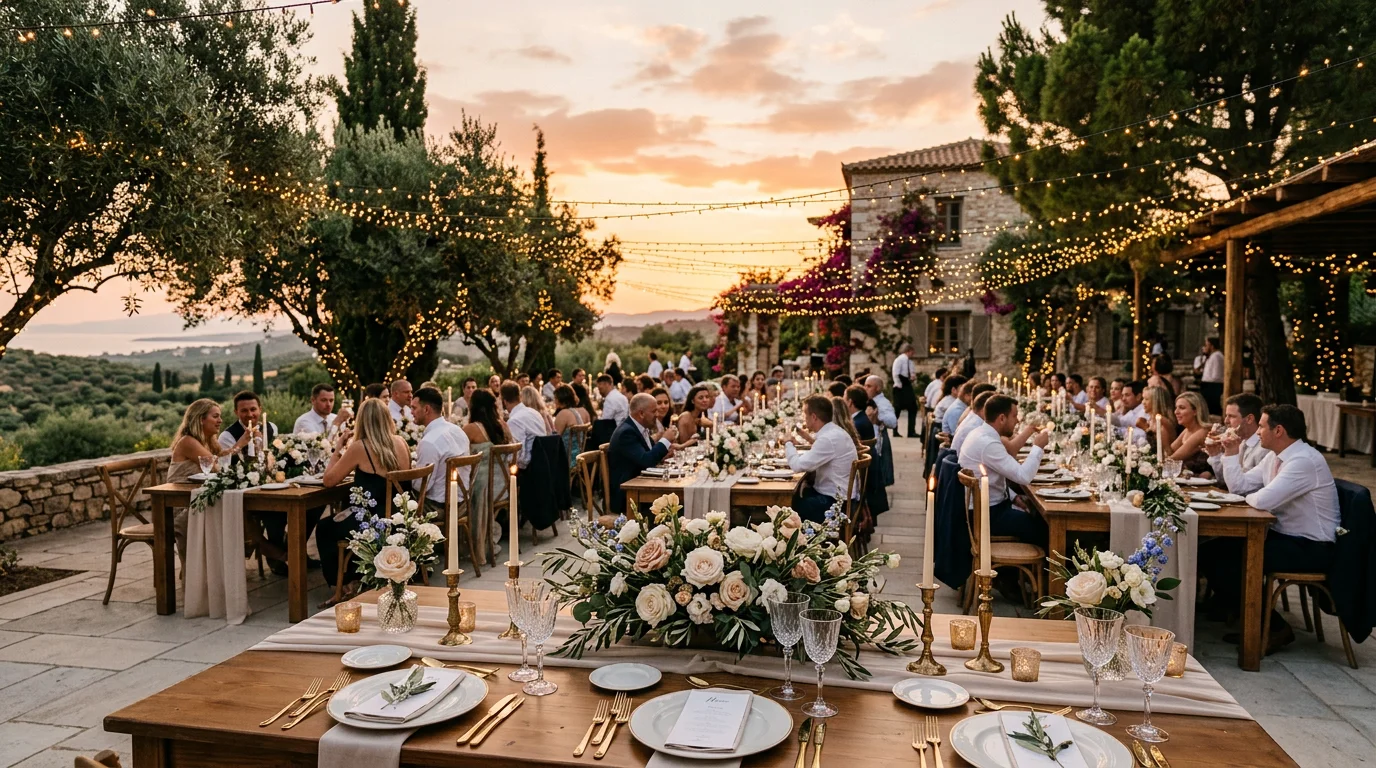
Athens Wedding Venues 2026: Prices
Compare Athens wedding estates and venues for 2026: Attica regions, hire vs per-head packages, questions to ask, seasonality, and planning your shortlist.
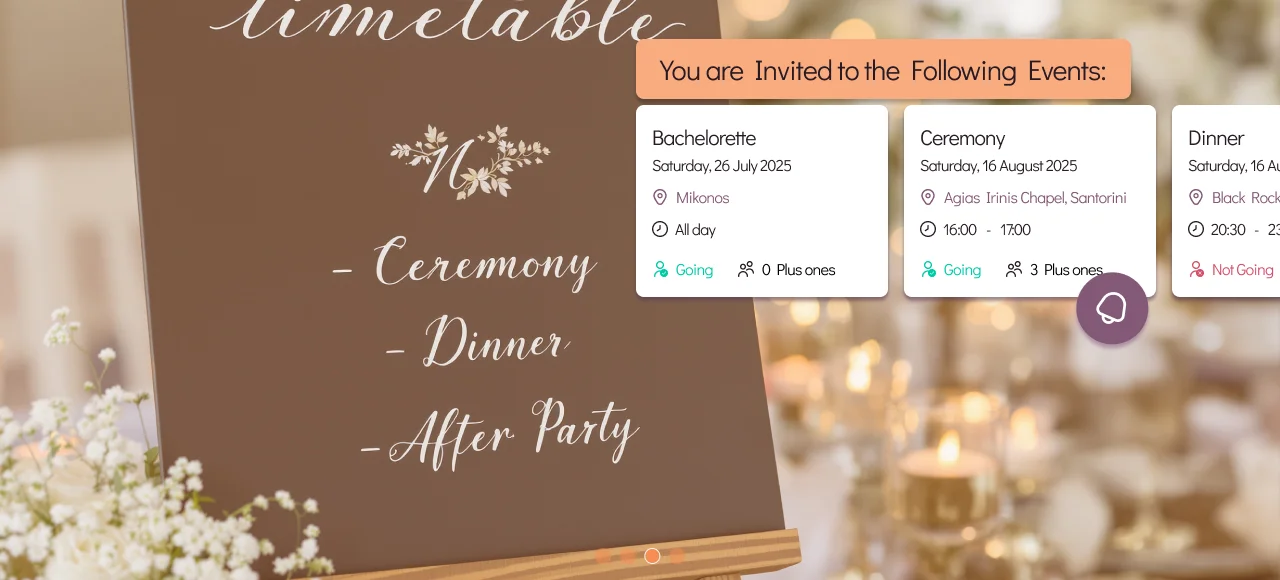 Digital Tools
Wedding Website Guide Step-by-Step
Discover a step by step wedding website guide covering setup, guest management, photo collection.