
Advertisement
 Sponsored
Managing your wedding guest list is less about etiquette trivia and more about leadership: you and your partner setting a fair frame before names, emotions, and family expectations pile up. If you already know the basics of categorising guests, this article goes one layer deeper: capacity, diplomacy, and the single system that stops last-minute chaos. Think of it as the strategy conversation you wish someone had handed you before the first relative asked for “just five more seats.”
Plan Your Event
One platform for every occasion: weddings, baptisms, corporate events and private parties.
Budget and capacity before the dream list
The calmest couples reverse the usual order. Instead of writing everyone they love and then panicking, they estimate real per-person cost: catering, drinks, service charges, rentals, stationery, and staffing, and divide their total comfortable spend. That number becomes a headcount ceiling you can explain without sounding personal.
Venue fire limits and seated capacity are hard stops, not suggestions. Your dream list still matters, but it gets sorted inside the math, not against it. If you are pricing a wedding in Greece, remember that per-guest food bands move fast; tying numbers early protects your planning hub and your sanity.
Pro tip: Write your “capacity story” in one sentence you both agree on: “We are hosting 120 seated guests because that is what the terrace and budget support.” Reuse that line with family. It is factual, not emotional.
Households, plus-ones, and children: rules before invitations
Arguments explode when rules are implied. Decide upfront:
- Households: Who shares one invitation and one RSVP?
- Plus-ones: Married, engaged, cohabiting, long-term only? Say it clearly.
- Children: Adults-only, immediate family only, or all families welcome?
Digital guest list tools that model households save you from “we thought the cousin was included” messages. The goal is not coldness; it is predictability so every guest feels respected by consistent standards.
A/B lists, family politics, and couple-led decisions
When parents or in-laws push for extra names, lead with shared cost reality and venue capacity, then offer structured choices: a fixed number of “family picks” each side, or a B-list triggered only if A-list declines clear before your print or catering deadline.
The emotionally intelligent move is to validate the relationship (“We know yiayia wants the whole village”) while holding the boundary (“Our contract and budget cap us at X”). Couples who decide together before the lobby conversation stay aligned; couples who improvise in the moment invite resentment.
Greek weddings: tiers, split lists, and the “whole community” expectation
In Greece and diaspora celebrations, guest lists often carry cultural weight: koumbaroi, godparents, whole office floors, summer visitors who “happened” to be in Athens. Useful tactics include:
- Transparent split: Each family gets a defined slice of the cap, not an open-ended veto.
- Tier tags: Internally label must-invite, strong wish, nice-to-have; only the first two touch the A-list.
- Ceremony vs reception: Some couples host a smaller dinner and a broader church or welcome gathering; be explicit on the invitation journey.
If you need a refresher on day-to-day list hygiene after strategy is set, our how to organise wedding guest lists guide covers categories and workflows.
One RSVP system and a firm headcount lock
Spreadsheets, WhatsApp, and your mother’s notebook cannot all be “true.” Pick one digital source from the first Save the Date, sync plus-ones and dietary fields there, and set a lock date 7 to 10 days before the caterer’s final number.
Late changes will still happen, illness, travel bans, but your default answer becomes “the system is closed; we can only swap like-for-like if catering agrees,” not a free-for-all.
Frequently asked questions
Should we invite someone we have not spoken to in years out of obligation?
Only if the absence would create lasting harm you are willing to absorb. Obligation invites rarely add joy; they often add seating puzzles.
How do we say no to extra names from parents without a fight?
Share the per-person cost and the venue cap on paper. Offer a finite number of seats they can allocate, or a timeline for B-list movement.
Is an A/B list rude?
Not if B-list guests receive invitations with enough lead time and you never let them feel second-tier. Transparency with your planner and stationer matters more than the label.
What if our families disagree on kids at the wedding?
Choose a rule that fits your vision and budget, publish it on your wedding website, and ask relatives to help communicate it, consistency beats case-by-case DMs.
When should we sync the guest list with seating?
As soon as RSVPs stabilise. Moving confirmed guests into a seating chart early surfaces table size issues before the florist orders sprigs per setting.
Guest list management is the spine of your whole day
When headcount wobbles, everything wobbles: flowers, rentals, staffing, even photo timing. Centralising guests, RSVP, dietary notes, and communications means you spend fewer evenings negotiating exceptions and more time enjoying the people you actually chose.
WhiteClover brings guest list management, online RSVP, and your wedding site into one coherent story, designed for modern couples who want clarity without losing warmth. Begin at whiteclover.io or jump into your dashboard and give your guest list the leadership it deserves.
Recommended
Written by
Katerina K
Part of the WhiteClover team, helping couples and hosts plan unforgettable events with modern digital tools. Passionate about simplifying the celebration planning journey.
You Might Also Like
 Guest Experience
How to Organise Wedding Guest Lists for Stress-Free Events
Learn how to organise wedding guest lists efficiently with a step-by-step guide focused on digital tools.
 Invitations
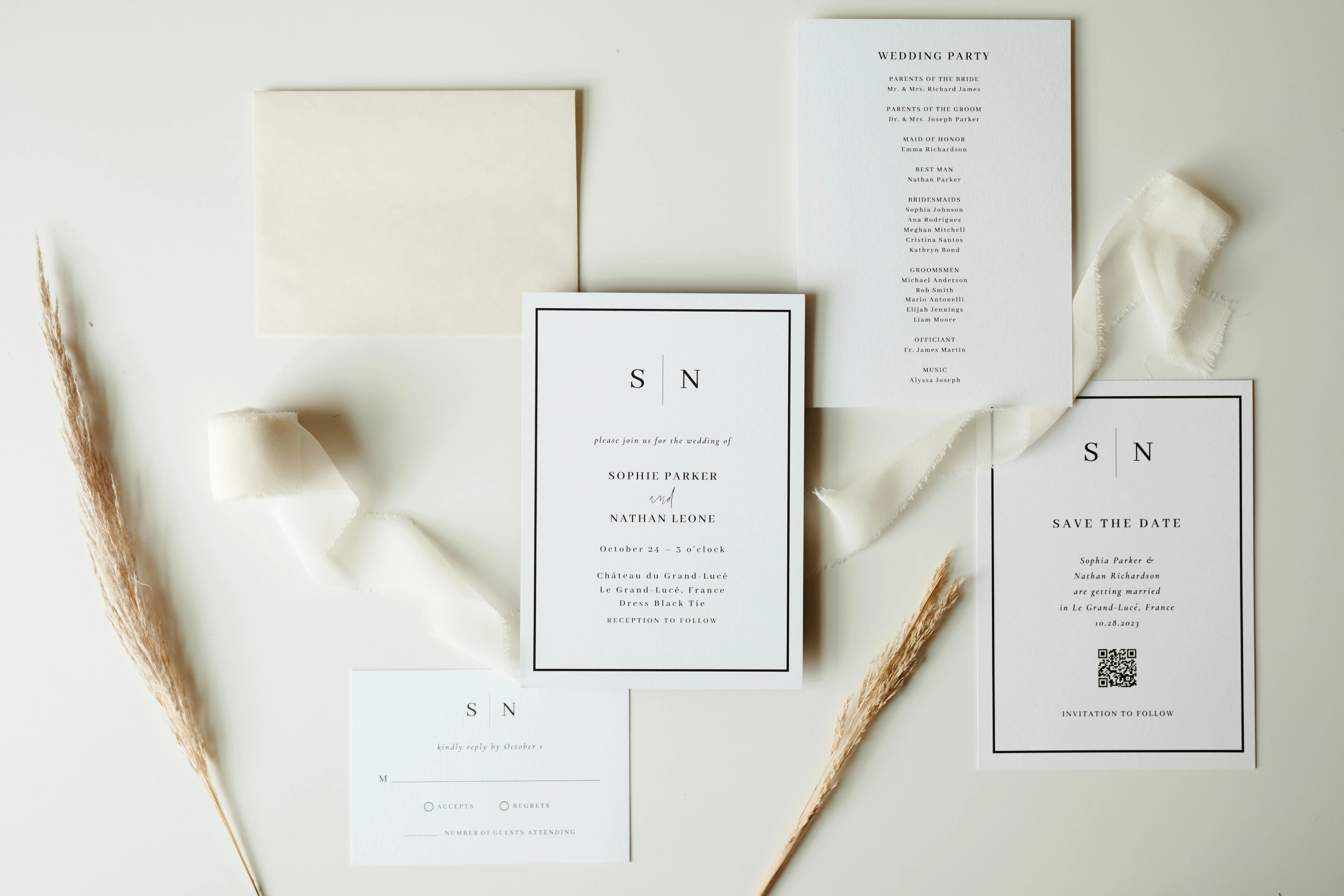
What Does RSVP Mean? Wedding Guide + Templates [2026]
What is an RSVP and what does RSVP mean on a wedding invitation? Complete 2026 guide to RSVP timelines, wording templates, digital vs paper, and tracking.
 Guest Experience
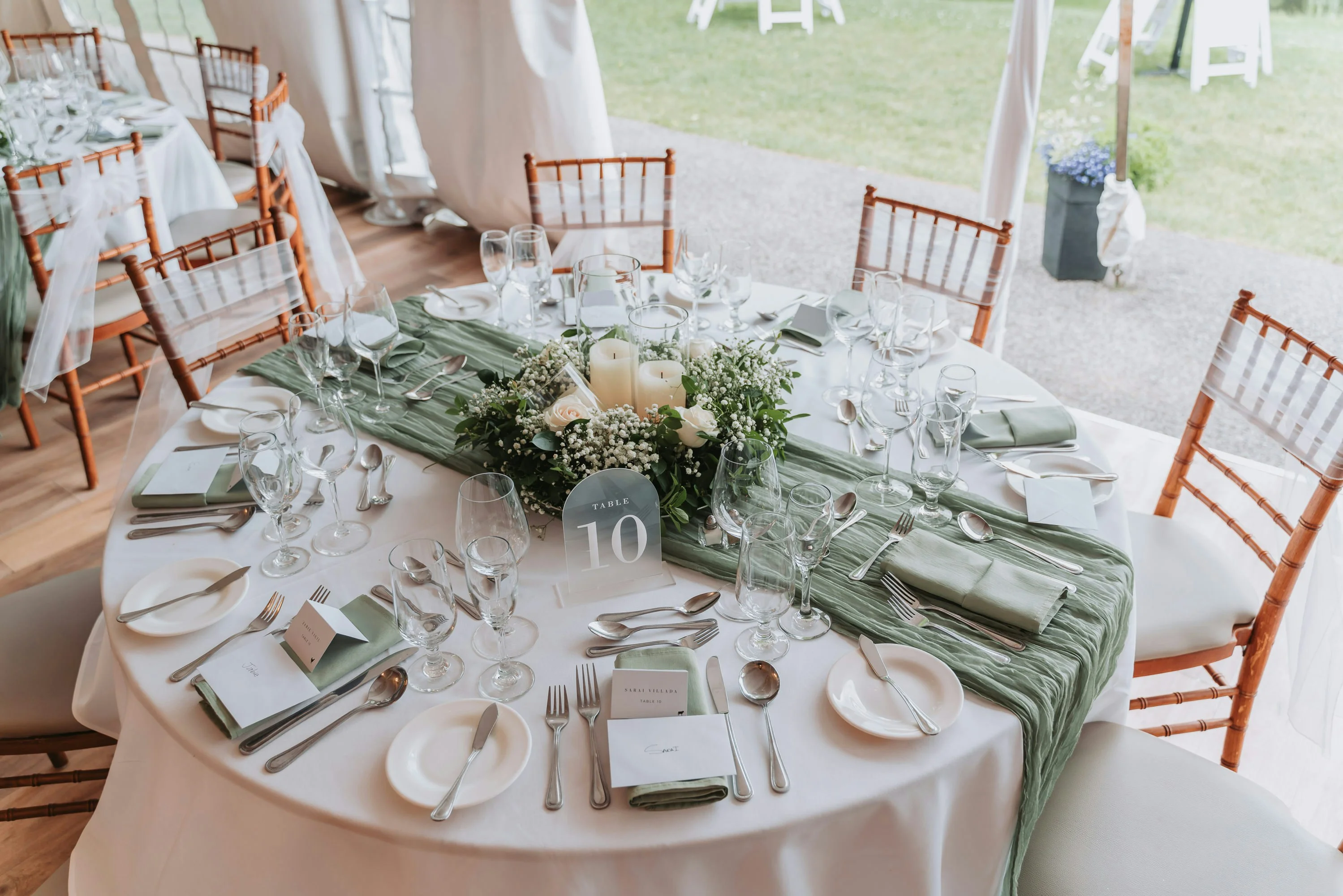
Wedding Seating Chart Designer & Table Management
Design perfect wedding seating charts with our visual drag-and-drop table designer.