
Advertisement
 Sponsored
What I Wish I Knew Before Planning a Wedding
When I proposed, I had a vision of tasting cakes and picking playlists. I thought wedding planning was 90% creativity and 10% logistics. I was wrong. As I quickly discovered, planning a wedding is actually 80% data entry and crisis management.
I’m Nikos, a recently married groom who survived the process, but not without a few scars. Looking back, there are so many things I wish I’d known from Day 1. If I could go back in time and shake my past self, here is exactly what I would tell him about planning a wedding in 2026.
Plan Your Event
One platform for every occasion: weddings, baptisms, corporate events and private parties.
1. You Become a Project Manager (Unless You Automate It)
Everyone talks about the "magic," but nobody warns you that you are effectively becoming the CEO of a mid-sized logistics company. Your stakeholders are your parents, your in-laws, and 200 guests who apparently cannot read a map.
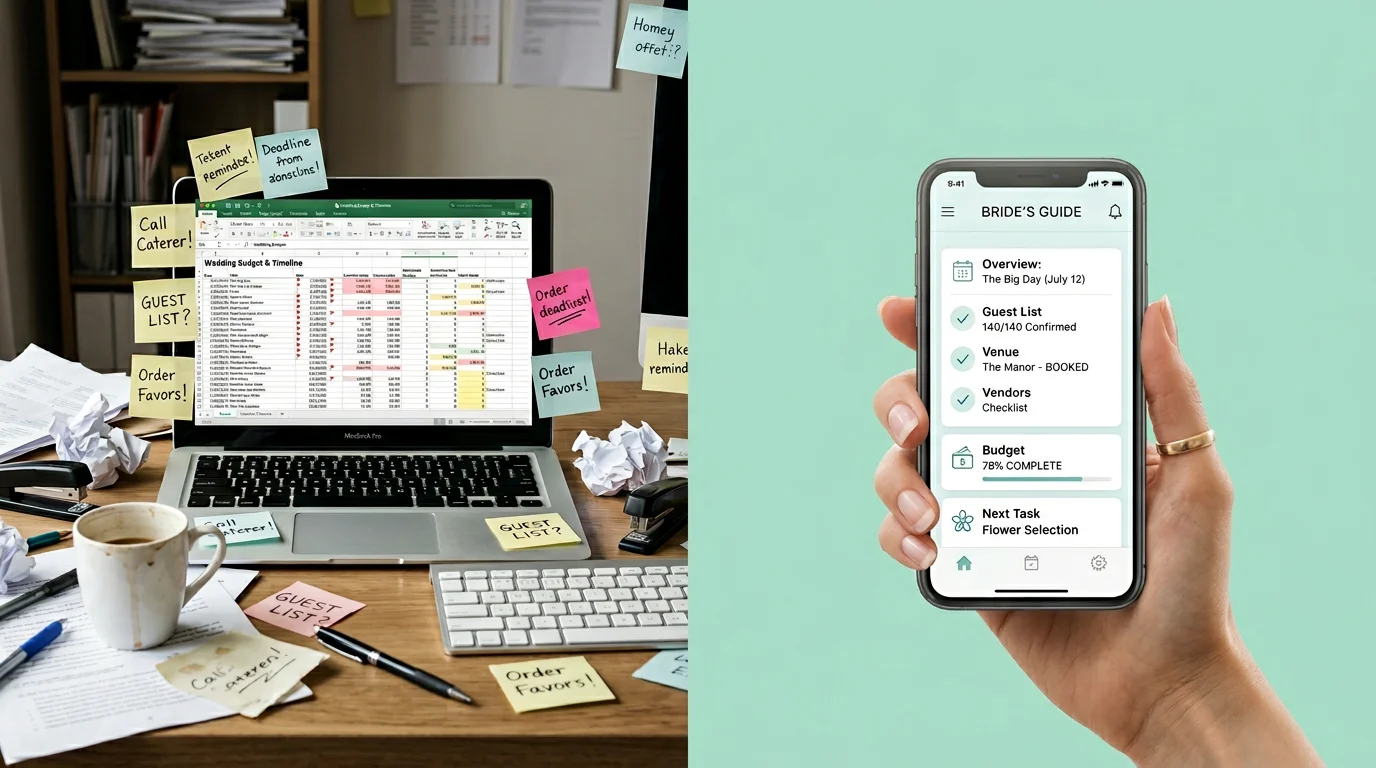
What I wish I knew: Having a "single source of truth" matters more than the color of the napkins. I started with guest addresses in WhatsApp, dietary restrictions in an Excel sheet, and RSVP texts on my phone. It was a recipe for disaster. Centralizing everything from the start isn't just "nice to have," it's the only way to keep your sanity.
The Fix: Use a platform like WhiteClover to hold every piece of data. When your mom asks "Did Cousin George RSVP?", you don't check three different apps. You check one.
2. The "Spreadsheet" is Not Your Friend
About three weeks before the wedding, we thought we had finalized the seating chart. Then my parents called: two cousins "might" not come, and my wife's aunt decided she was bringing a new boyfriend.
I found myself staring at a printed A3 paper diagram we had drawn by hand, trying to erase names without tearing the paper. I felt like I was solving a complex math problem with emotional consequences.
What I wish I knew: Static tools (paper, Excel) cannot handle dynamic families. If I could go back, I wouldn't touch a piece of paper. I'd use a digital seating tool where I could drag-and-drop "The Aunt" to a different table instantly without ruining the whole layout. Agility is key when dealing with family politics.
3. Digital Boundaries Save Friendships
The "Notification Gap" is real. Guests will text you the same question ("What time is the bus?") fifty times. If you answer every text personally, you will burn out before the ceremony.
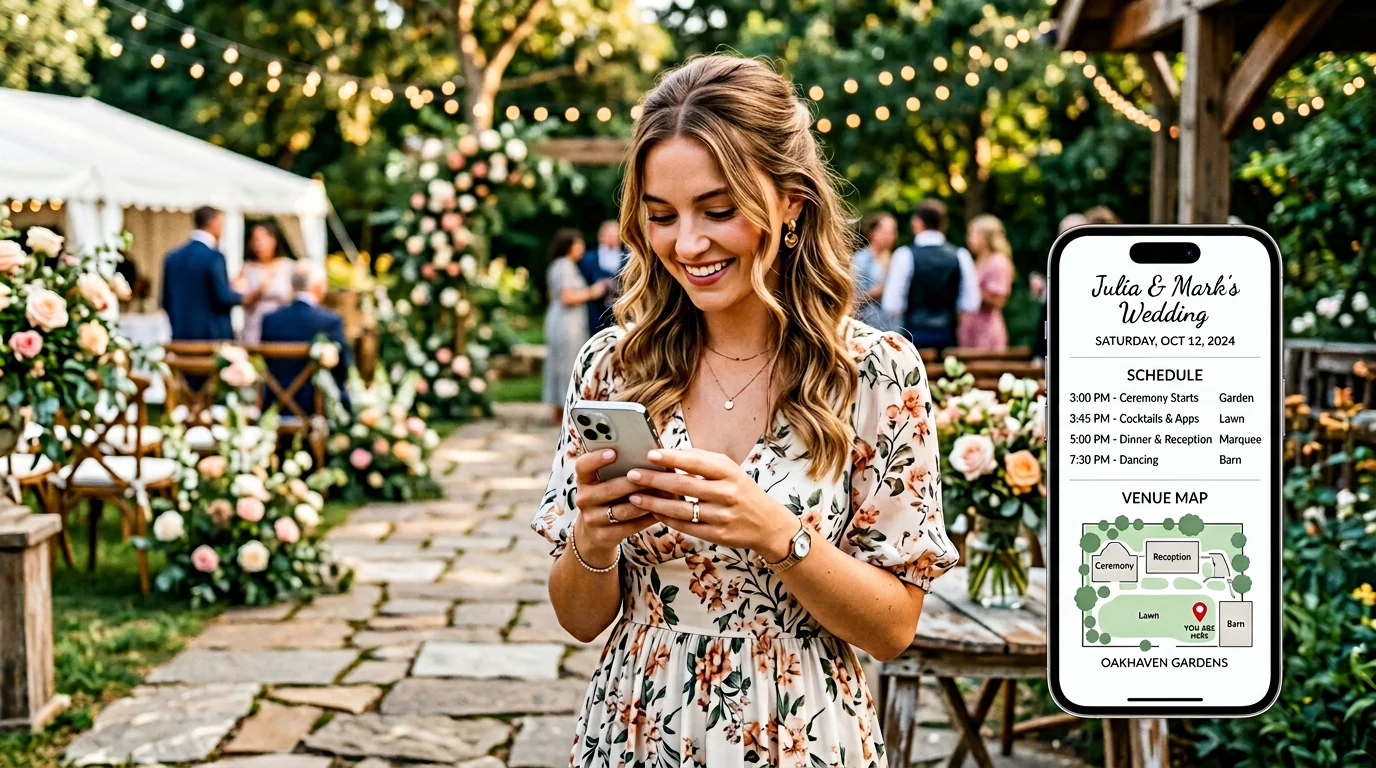
What I wish I knew: You don't need to be a 24/7 helpdesk. We eventually set up a Guest Experience App. Instead of texting us, guests checked the app. It contained the schedule, the maps, and the updates. It created a digital boundary that allowed us to actually enjoy the buildup to the wedding.
4. The "Greeting Line" is Optional
This is a controversial opinion, but I stand by it: the traditional "greeting line" (receiving line) at the venue entrance is a vibe killer. Standing for 90 minutes shaking hands while your food gets cold and the party delays starting? No thanks.
What I wish I knew: You can thank people digitally. In 2026, we have technology. We sent a personalized digital "Thank You" notification with a photo from the ceremony the next morning via WhiteClover. It allowed us to use the reception to actually party with our friends, rather than performing a diplomatic duty.
5. You Can Say "No" with Data
The hardest part of any wedding, especially a Greek one, is the guest list pressure. Parents often want to invite people you've never met. "He invited us to his daughter's wedding in 1998," my dad argued.
What I wish I knew: Data is the best "Bad Cop." Arguments about invites are emotional. Numbers are factual. The way I finally handled it was showing them the digital wedding guest list on my phone. "Look, the venue cap is 250. We are currently at 248. If we add the accountant, we have to cut one of your siblings." Seeing the names and numbers in black and white helped them realize that space isn't infinite.
Conclusion
Planning a wedding doesn't have to be a trial by fire. The "mistakes" I made mostly came from trying to manage a modern event with outdated tools. By embracing automation and centralized planning, you can reclaim your time and actually enjoy the journey.
Don't be a project manager. Be a groom (or bride). Let WhiteClover handle the rest.
Written by
Nikos L
Part of the WhiteClover team, helping couples and hosts plan unforgettable events with modern digital tools. Passionate about simplifying the celebration planning journey.
You Might Also Like
 Wedding Planning
Wedding Mistakes Nobody Talks About
Shadow work, the notification gap and hiring a friend as your vendor: five wedding planning mistakes that are emotional and technical, not logistical.
 Wedding Planning
What's the Best Way to Stay Organised for My Wedding?
Stay organised for your wedding with one place for guest list, RSVP, and timeline.
 Digital Tools
5 Ways Technology Improves Wedding Planning
Digital invitations, a wedding site, a planning dashboard and a shared photo album: five places where technology takes real work off your hands.