
Advertisement
 Sponsored
How Do I Pick the Right Wedding Planner?
If you are asking this question, chances are you are not just looking for someone with a beautiful Instagram feed. You are looking for someone you can trust with one of the most meaningful days of your life.
At WhiteClover, we hear this question constantly - especially from first-time couples planning from abroad and from busy professionals trying to organise everything around demanding schedules. On paper, the decision can look simple: shortlist planners whose style you like, book a call, and move forward.
In real life, it is rarely that simple.
Most couples do not struggle because they chose someone with "bad taste". They struggle because they chose someone they could not truly collaborate with. Communication gets fragmented. Expectations stay vague. Tasks live in too many places. Progress is hard to see. Slowly, what should feel exciting begins to feel heavy.
That is why our view is simple: collaboration matters more than social media presence.
Plan Your Event
One platform for every occasion: weddings, baptisms, corporate events and private parties.
Start with the real question
A lot of couples think they are choosing a wedding planner.
In reality, they are choosing a working relationship.
You are choosing the person who will guide key decisions, align vendors, protect your priorities, and help you stay calm when moving parts multiply. So the real question is not only:
"Do I like their aesthetic?"
It is also:
"Can we communicate well with this person?"
"Do they help us feel informed?"
"Will we stay aligned for months, not just one meeting?"
"Do they work in a transparent, trackable way?"
A beautiful portfolio can attract you. A healthy collaboration is what carries you through the entire planning journey.
What many couples get wrong
One pattern we see often: couples base too much of their decision on what they see online. A planner may appear polished, trendy, and highly visible. Their weddings may photograph beautifully. Their reels may make everything look effortless.
But that does not automatically tell you how they work.
It does not tell you how they communicate.
It does not tell you how they track tasks.
It does not tell you how they handle budget visibility.
It does not tell you how they coordinate across time zones.
And it definitely does not tell you how transparent they are when plans change.
This is where many couples get stuck. They assume strong online presence equals strong planning experience. Then later, they realise they do not know what is complete, what is pending, who owns each action, or how decisions are documented.
That is where stress begins.
The right planner should make you feel clear, not confused
In our opinion, one of the most important qualities in a wedding planner is transparency.
Not just warmth.
Not just creativity.
Not just experience.
Transparency.
A great planner helps you understand where things stand at any point in the process. You should not have to chase updates or reconstruct information from scattered messages, spreadsheets, and calls.
The right planner brings clarity:
- clear communication
- visible progress
- shared priorities
- realistic timelines
- budget awareness
- structured guest and vendor coordination
If your engagement already feels like project management overload, practical structure is what keeps the process calm. A useful companion read here is this wedding planning hub for budget and vendor management, which explains how to keep planning visible in one place.
A real story we have seen
One story that stayed with us involved a couple planning their wedding while living abroad.
Like many destination couples, they were coordinating across time zones. Even finding the right moment to speak with their planner felt difficult. Communication became fragmented quickly. Some details lived in messages, others in calls, some in memory, and some simply got lost.
Because their overlap hours were limited, they constantly felt behind. They were never fully sure what had been decided or whether progress was moving in the right direction. The planner may have been working hard, but the couple did not feel connected to that work.
That feeling matters.
When couples feel out of control, even a well-intentioned process starts to feel stressful.
What changed for them was not just "better communication" in theory. It was having a shared way of working.
With WhiteClover, they shared one planning dashboard with their planner. Suddenly, the process became visible. Budget planning, guest management, seating, RSVP flow, and updates lived in one ecosystem. Guests could RSVP and share photos in high quality through the same environment. Most importantly, the couple could follow progress without guessing.
Instead of relying on fragmented communication, everyone worked from the same picture.
That is the difference between feeling like a passenger and feeling like a partner in your own wedding planning journey.

What to look for when choosing a planner
When evaluating a wedding planner, look beyond style and ask better questions.
1) How do they communicate?
Ask how they typically communicate:
- mostly messages, email, calls, or a shared planning system?
- how often do they send updates?
- how are decisions documented?
You are not being difficult by asking this. You are being strategic.
Pro tip: If you are planning remotely, ask for a sample weekly update format before signing. The quality of updates often predicts the quality of the relationship.
2) How do they keep things transparent?
Ask how you will see:
- what is done
- what is in progress
- what needs your input next
Can you track timeline milestones? Can you view budget status? Can you review guest list changes without requesting a manual report every time?
Transparency should be part of the service, not a premium add-on.
3) How do they collaborate with you?
Some couples want to be deeply involved. Others prefer a lighter touch. Both are valid.
What matters is alignment.
A strong planner does not just "take over". They create a collaboration rhythm that fits your life and your decision-making style.
4) How do they handle complexity?
Destination logistics, changing RSVPs, family preferences, seating changes, and budget decisions all create layers of complexity.
Ask how they manage this operationally - not just emotionally.
If you are planning a destination event, this destination wedding checklist is useful for understanding the extra layers you should expect.
5) Do you actually feel comfortable with them?
Communication fit is often underestimated.
You do not need to choose your best friend. But you do need someone you can trust, speak openly with, and feel calm around. That comfort becomes essential when unexpected decisions appear (and they always do).
For destination couples and busy professionals, structure matters more
If you are planning from abroad, you do not have the luxury of frequent in-person check-ins. If you are balancing a demanding career, you probably do not have time to chase updates across ten disconnected tools.
That is why structure matters.
A planner who works in an organised, collaborative, trackable way saves time, reduces emotional friction, and improves decision quality. You should not spend your engagement reconstructing information from separate channels.
The process should feel held together.
This is why the best outcomes usually happen when a great planner is supported by the right shared system - not because technology replaces the human relationship, but because it strengthens it.
A planner brings expertise, taste, and coordination.
A shared planning space brings visibility, alignment, and continuity. If you are a planner evaluating platforms for your clients, see how WhiteClover supports event planners.
Together, they create a better experience for everyone involved.
Our honest opinion
If we had to give one piece of advice, it would be this:
Do not choose a wedding planner only because they look impressive online. Choose the one who makes collaboration feel easy, clear, and trustworthy.
A strong planner is not only someone who can design a beautiful day. It is someone who can guide you through the full process in a way that feels transparent and grounded.
The best planning relationships are built on clarity, responsiveness, trust, and shared visibility.
That is what helps couples feel calm.
That is what helps planners do their best work.
And that is what makes the whole experience better from beginning to end.
Final thought
Picking the right wedding planner is not about finding the most popular name or the most viral aesthetic. It is about finding the person - and process - that help you feel supported.
Because when communication is clear, progress is visible, and collaboration is real, wedding planning stops feeling overwhelming and starts feeling exciting again.
And that is exactly how it should feel.
Managing timelines, guests, and decisions can become heavy quickly when the process is fragmented. WhiteClover helps couples and planners stay in sync with one shared planning ecosystem for communication, RSVP, guest management, and visibility. If that is the experience you want, start your planning journey with WhiteClover and build your wedding with clarity from day one.
Frequently Asked Questions
What is the most important thing when choosing a wedding planner?
Beyond aesthetics, the most important factor is collaboration quality: communication style, transparency, and how clearly you can track progress together.
What questions should I ask before hiring a wedding planner?
Ask how they communicate, how often they update you, how they document decisions, how they track budgets and timelines, and how they manage changing RSVPs and guest logistics.
How do I know if a planner is right for a destination wedding?
Check whether they have a clear remote collaboration workflow, can coordinate across time zones, and use a structured system for updates, vendors, and guest communication.
If you are also reviewing RSVP workflows and guest messaging, this wedding RSVP guide and this guide on stopping guest logistics texts can help.
Written by
Marios P
Part of the WhiteClover team, helping couples and hosts plan unforgettable events with modern digital tools. Passionate about simplifying the celebration planning journey.
You Might Also Like
 Checklists
7 Essential steps for your destination wedding checklist
Discover 7 essential tips for couples planning a destination wedding in Greece.
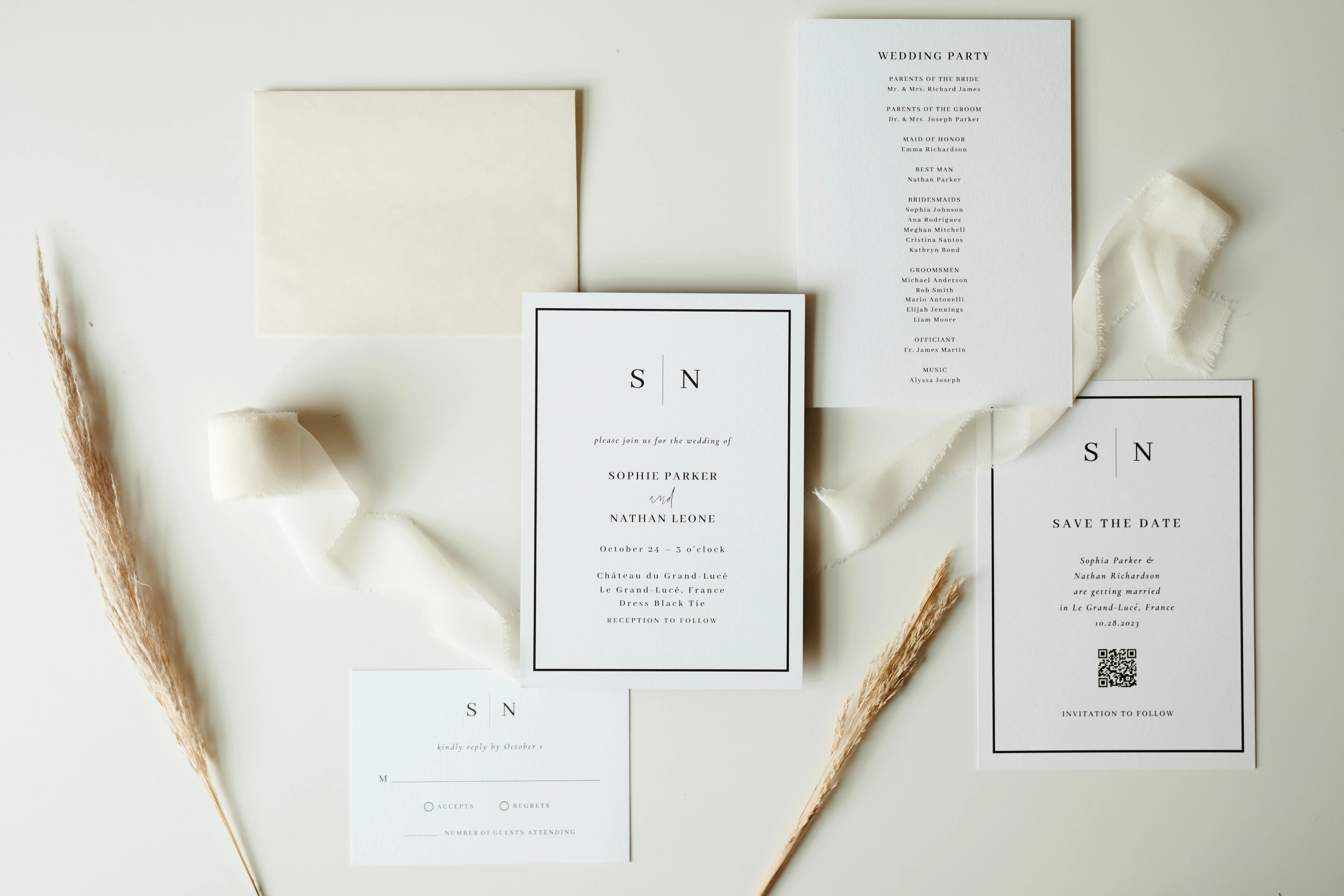 Invitations
What Does RSVP Mean? Wedding Guide + Templates [2026]
What is an RSVP and what does RSVP mean on a wedding invitation? Complete 2026 guide to RSVP timelines, wording templates, digital vs paper, and tracking.
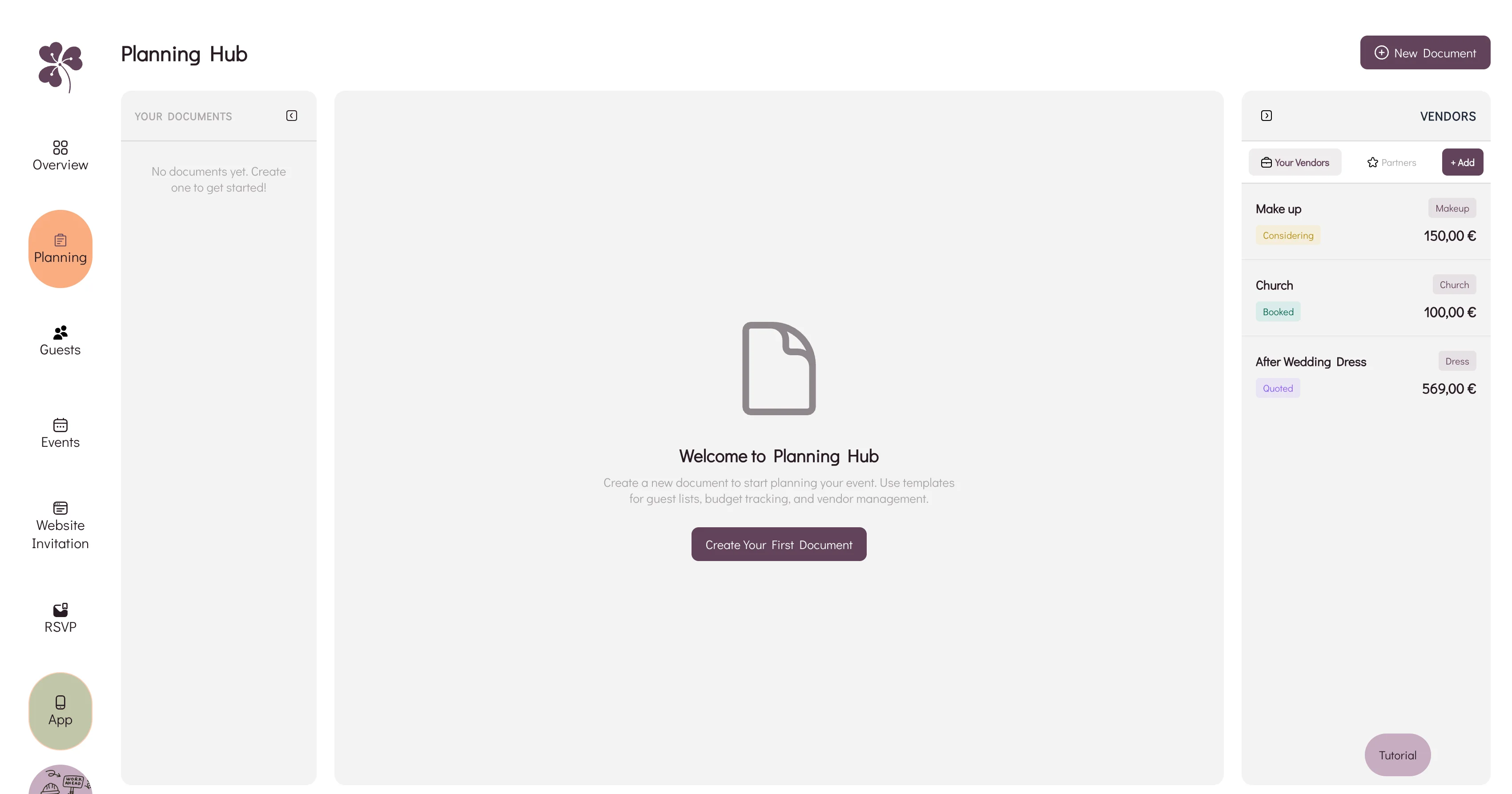 Budget & Tools
Wedding Planning Hub: Budget & Vendors
Why a spreadsheet, an inbox and a notes app stop agreeing with each other, and how WhiteClover's Planning Hub keeps budget and vendors in one view.