
Advertisement
 Sponsored
Sorting out wedding plans can quickly become overwhelming when priorities, schedules, and guest communication pile up. Couples planning a modern American wedding must balance expectations, traditions, and personal vision while keeping everything organised. A wedding planning checklist helps you stay on track. By focusing first on defining event objectives and priorities, you create a clear foundation that supports every step, from guest lists to seamless digital coordination, helping ensure your special day stays meaningful and stress-free.
Plan Your Event
One platform for every occasion: weddings, baptisms, corporate events and private parties.
Table of Contents
- Step 1: Define Event Objectives And Priorities
- Step 2: Map Out Essential Wedding Day Milestones
- Step 3: Delegate Roles And Synchronise Responsibilities
- Step 4: Integrate Digital Planning Tools For Clarity
- Step 5: Verify Schedule Accuracy And Guest Engagement
Quick Overview
| Main Insight | Detailed Explanation |
| 1. Define your wedding objectives | Clearly articulate your core wedding goals to create a cohesive and meaningful event. |
| 2. Create a detailed milestone timeline | Develop a comprehensive timeline to organise key actions and deadlines effectively. |
| 3. Delegate responsibilities wisely | Assign specific tasks to individuals based on their strengths for collaborative planning. |
| 4. Utilise digital planning tools | Incorporate digital tools for better coordination, tracking, and communication throughout. |
| 5. Verify schedule accuracy and communication | Ensure precise timing and proactive guest engagement for a smooth wedding day experience. |
Step 1: Define event objectives and priorities
Pinpointing your wedding celebration's core objectives transforms chaotic planning into a strategic, enjoyable journey. A centralised planning hub helps you keep timelines, budgets, and vendor details organised from day one. By clearly establishing what matters most, you'll create a cohesive event that truly reflects your vision and relationship.
Defining objectives requires thoughtful consideration of multiple dimensions. Events management principles emphasise understanding your fundamental goals before diving into logistics. Start by discussing with your partner the key priorities that will shape your wedding day:
- Emotional experience you want to create
- Budget constraints and financial boundaries
- Guest experience expectations
- Personal values you wish to highlight
- Cultural or family traditions to incorporate
Consider creating a simple ranking system to evaluate potential decisions. Rate each potential wedding element from 1-5 based on its importance to you, which helps establish clear priorities when challenges arise. This approach prevents getting lost in minor details and keeps your core vision intact.
A well-defined objective transforms your wedding from a generic celebration to a personalised, meaningful event that genuinely represents your unique relationship.
Break down your objectives into specific, measurable categories. For instance, rather than a vague goal like "have a nice wedding," specify "create an intimate celebration for 75 guests that balances family traditions with our personal style, while staying within £15,000 budget."
Top tip: Schedule a dedicated planning session with your partner where you both independently list your top three wedding priorities, then compare and discuss to find your shared vision.
Step 2: Map out essential wedding day milestones
Creating a comprehensive wedding day timeline transforms potential chaos into a beautifully orchestrated celebration. Your milestone roadmap will serve as a strategic blueprint that keeps every aspect of your special day running smoothly and precisely.
Wedding planning timelines require meticulous attention to key actions and deadlines. Break down your milestone tracking into critical categories:
- Venue selection and confirmation
- Vendor booking dates
- Wedding guest list finalisation, our RSVP and guest management guide can help you collect responses smoothly
- Invitation distribution timeline
- Rehearsal scheduling
- Final fittings and attire preparation
- Marriage licence acquisition
Consider developing a visual timeline that displays these milestones chronologically. Use colour-coding or digital tools to track progress and highlight approaching deadlines. This approach helps you maintain a clear overview of your wedding preparation journey.
A well-structured milestone map prevents last-minute panic and ensures every critical wedding element receives proper attention and preparation.
Each milestone should include specific details such as exact dates, responsible parties, and potential contingency plans. For instance, instead of a vague note like "book photographer," specify "Contact and confirm wedding photographer by 15 March, with final contract signed by 1 April."
Pro tip: Create a shared digital spreadsheet accessible to both partners and key family members to track milestones collaboratively and maintain transparent communication.
Step 3: Delegate roles and synchronise responsibilities
Transforming your wedding planning from an overwhelming task to a collaborative journey requires strategic role delegation. Understanding how to distribute responsibilities effectively will help you and your support team work harmoniously towards your perfect day.
Event planning coordination involves thoughtfully matching tasks to individual strengths. Break down your wedding preparation into specific responsibilities:
- Family member assignments
- Wedding party roles
- Professional vendor responsibilities
- Technical support tasks
- Communication management
- Budget tracking duties
- Logistical coordination
Consider creating a comprehensive responsibility matrix that clearly outlines who manages which aspect of wedding preparation. This visual tool helps prevent duplicated efforts and ensures no critical task falls through the cracks.
Effective delegation transforms wedding planning from a potential source of stress into a collaborative, enjoyable experience that brings your team closer together.
Each delegated role should include specific expectations, deadlines, and communication protocols. Be transparent about capabilities and limitations, ensuring team members feel confident and supported in their assigned tasks.
Pro tip: Schedule monthly team check-ins to review progress, address challenges, and maintain open communication channels throughout your wedding planning journey.
This table compares popular role delegation approaches for wedding planning:
| Delegation Model | Typical Tasks Assigned | Common Challenges | Best for Teams with |
| Traditional Family Roles | Invitations, seating plan | Overlapping responsibilities | Strong family involvement |
| Professional Vendors | Catering, photography | Contract clarity, cost issues | Budget for experts |
| Wedding Party Divisions | Decorations, coordination | Lack of experience | Enthusiastic friends |
| Mixed Responsibilities | Budgeting, timeline checks | Communication gaps | Diverse support network |
Step 4: Integrate digital planning tools for clarity
Transforming your wedding planning from a potential paperwork nightmare into a streamlined, stress-free process requires smart digital integration. Embracing technology will help you manage complex details with unprecedented ease and precision.
Digital project management techniques revolutionise wedding preparation by centralising communication and tracking. Explore digital tools that can simplify your planning journey:
- Shared cloud calendars for synchronised scheduling
- Task management applications
- Digital budget trackers
- Communication platforms
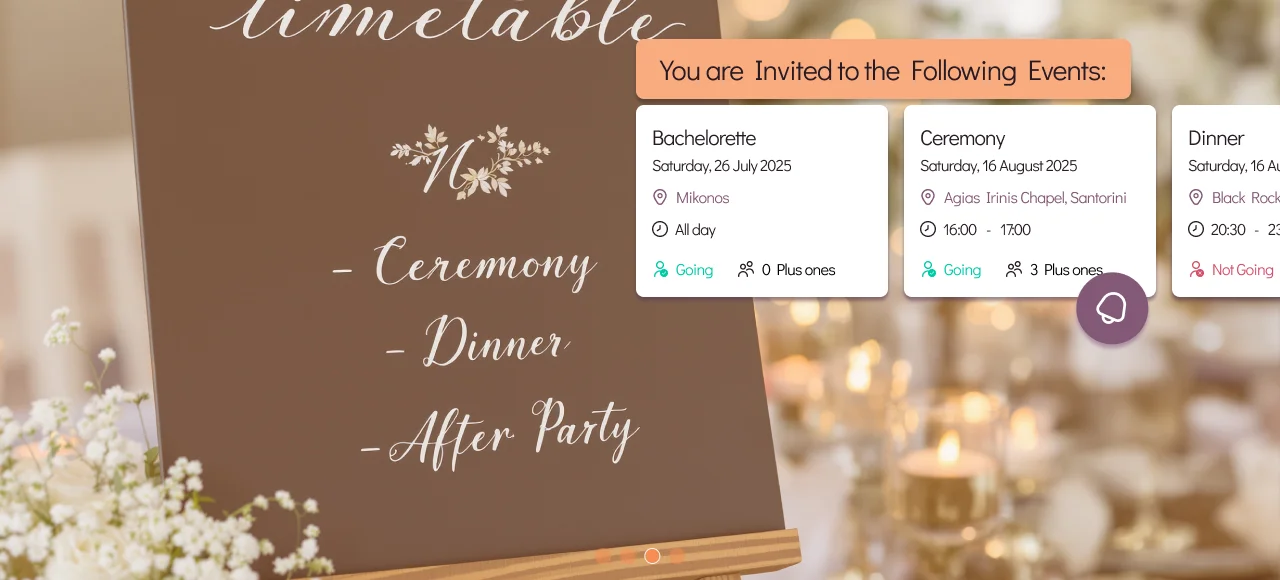
- Guest list management software, platforms like WhiteClover combine timeline tools with step-by-step wedding website creation so your schedule and guest info live in one place
- Document sharing systems
- Real-time collaboration tools
Choose platforms that offer seamless integration, allowing multiple team members to access and update information simultaneously. This approach ensures everyone remains aligned and informed throughout the planning process.
Digital planning tools transform wedding preparation from a potential source of stress into a collaborative, transparent, and efficient experience.
Prioritise tools with user-friendly interfaces and robust mobile capabilities. Look for solutions that offer customisation options and can adapt to your specific wedding planning needs.
Here’s a summary illustrating how different digital planning tools support various wedding needs:
| Tool Type | Primary Purpose | Ideal Usage Scenario | Key Benefit |
| Cloud Calendar | Schedule management | Coordinating vendor appointments | Prevents date conflicts |
| Task Management App | Progress tracking | Assigning responsibilities | Improves accountability |
| Budget Tracking Software | Financial control | Monitoring wedding expenses | Avoids budget overruns |
| Communication Platform | Real-time collaboration | Discussing updates with team | Ensures fast, clear exchanges |
| Guest List Manager | Invitation and RSVP tracking | Managing attendee responses | Streamlines guest logistics |
| Document Sharing System | Central reference point | Storing contracts and itineraries | Reduces paperwork confusion |
Pro tip: Schedule a brief training session with your key planning team to ensure everyone understands how to effectively use the chosen digital planning platforms.
Step 5: Verify schedule accuracy and guest engagement
Ensuring your wedding day runs like a well-choreographed symphony requires meticulous schedule verification and proactive guest communication. Your goal is to create a seamless experience that feels effortless yet precisely orchestrated.
Event schedule coordination demands strategic monitoring and interactive planning. Develop a comprehensive verification process that covers multiple dimensions of your wedding timeline:
- Vendor communication checks
- Timing rehearsal sessions
- Guest communication protocols
- Contingency planning
- Real-time adjustment mechanisms
- Feedback collection strategies
- Digital timeline synchronisation
Create a master timeline document that includes precise timestamps, responsible parties, and potential buffer zones for unexpected delays. This living document will serve as your primary coordination tool, allowing flexibility while maintaining overall structure.
A meticulously verified wedding schedule transforms potential chaos into a smooth, memorable celebration that feels natural and spontaneous.
Consider conducting multiple timeline walk-throughs with key stakeholders, including wedding party members, primary vendors, and family coordinators. These rehearsals help identify potential timing gaps and ensure everyone understands their role in maintaining the event's flow.
Pro tip: Designate a dedicated "timeline coordinator" who can make real-time adjustments and communicate smoothly with vendors and key participants during the wedding day.
Streamline Your Wedding Timeline with WhiteClover
Planning a wedding timeline that flows seamlessly requires clear objectives, precise milestones and flawless coordination. This article highlights the challenges couples face such as managing schedules, delegating roles and keeping guests engaged, all while avoiding last-minute chaos. At WhiteClover, we understand these pain points and offer a comprehensive digital platform that helps you organise every detail effortlessly. From crafting personalised timelines to managing guest lists and vendor communications, our tools bring clarity and calm to your big day planning.
Take control of your wedding preparation today with WhiteClover’s all-in-one suite. Create your unique schedule, send invitations, collect RSVPs easily and enjoy real-time collaboration with loved ones. Visit WhiteClover or open your dashboard to transform your wedding vision into a flawlessly executed celebration.
Frequently Asked Questions
- How do I define my wedding day objectives?
To define your wedding day objectives, start by discussing with your partner what is most important to you. Identify emotional experiences, budget constraints, guest expectations, personal values, and family traditions you want to highlight.
- What milestones should I include in my wedding day timeline?
Include essential milestones such as venue selection, vendor booking dates, guest list finalisation, rehearsal scheduling, and marriage licence acquisition. Create a detailed list and assign deadlines to each milestone to prevent last-minute complications.
- How can I effectively delegate roles among my wedding planning team?
To delegate roles effectively, create a responsibility matrix that outlines who manages each aspect of the wedding, such as budgeting and logistics. Hold monthly check-ins with your team to review progress and communicate any challenges, ensuring everyone understands their tasks.
- What digital tools can help me streamline my wedding planning?
Digital tools like shared cloud calendars, task management applications, and digital budget trackers can greatly enhance your wedding planning process. Choose user-friendly tools based on your needs, and ensure all team members are comfortable using them to keep everyone aligned.
- How do I verify the accuracy of my wedding schedule?
To verify the accuracy of your wedding schedule, create a master timeline that includes timestamps, responsible parties, and contingencies for unexpected delays. Conduct multiple timeline walk-throughs with key participants to ensure everyone knows their responsibilities and any adjustments needed for a smooth event.
Recommended
Written by
Ioanna V.
Part of the WhiteClover team, helping couples and hosts plan unforgettable events with modern digital tools. Passionate about simplifying the celebration planning journey.
You Might Also Like
 Wedding Planning
10 Stress-Free Wedding Planning Tips
Wedding planning can be stressful, but it doesn't have to be! Here are 10 essential tips to help you avoid pitfalls and enjoy the wedding planning process.
 Digital Tools
Wedding Website Creation Step-by-Step
Discover step-by-step wedding website creation for couples to streamline planning, manage guests, and personalise event details using digital tools.
 Checklists
6 Steps for a Complete Wedding Planning Checklist
Discover a wedding planning checklist with 6 key steps designed for tech-savvy couples, making destination weddings in Greece smooth and stress-free.