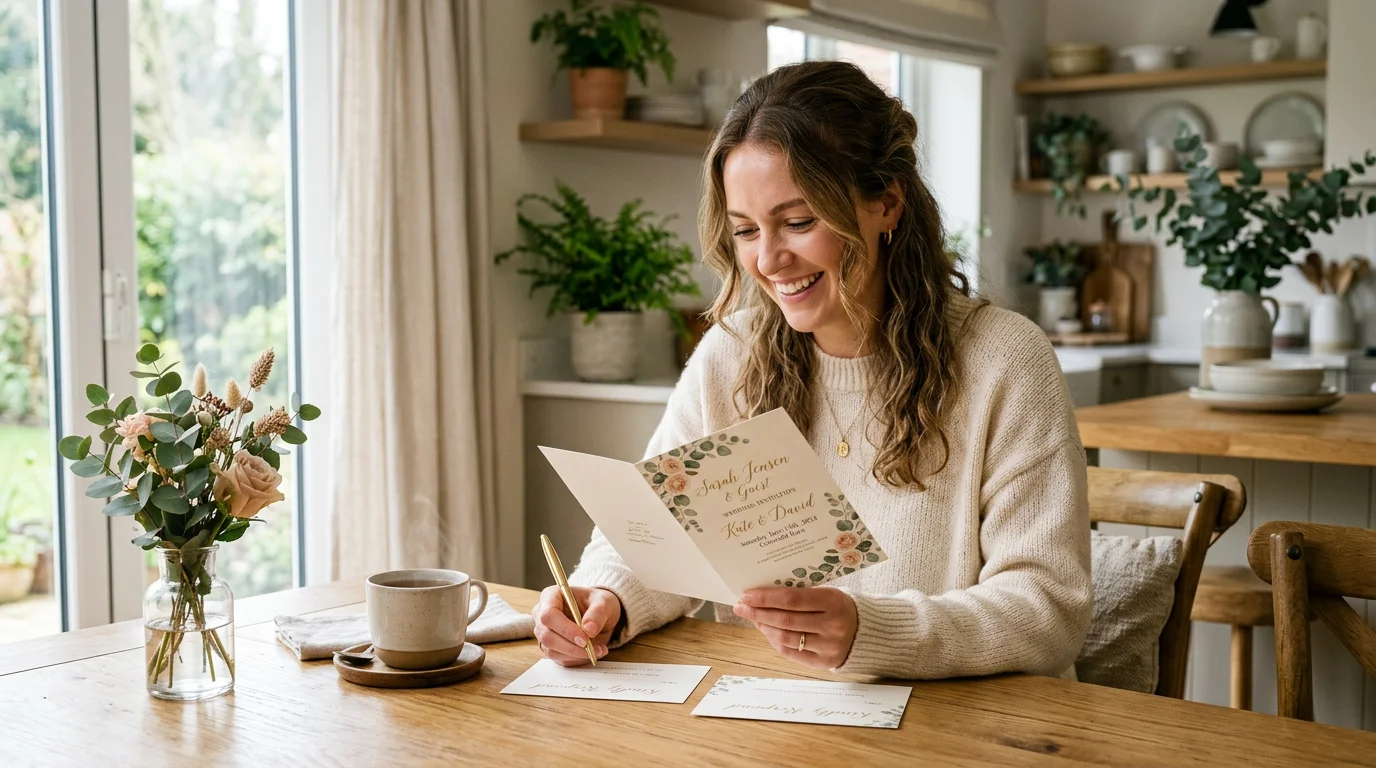
Advertisement
 Sponsored
How to RSVP to a Wedding: Guest Etiquette Guide
You have opened the envelope, or the email, and now a quiet question sits in the back of your mind: how to RSVP to a wedding without causing stress for the couple, or embarrassment for yourself. Whether this is your first invitation as an adult or your fifteenth, wedding RSVP etiquette still matters. A clear, timely reply helps hosts plan seating, catering, and budgets; a vague or late one can quietly derail their numbers.
This guide is written for you as a guest. You will learn what “RSVP” actually asks of you, how to respond to a wedding invitation with confidence, and how to handle tricky situations such as plus-ones, dietary needs, and digital links. By the end, you will know exactly what to write, when to send it, and how to be the kind of guest couples remember for the right reasons.
Plan Your Event
One platform for every occasion: weddings, baptisms, corporate events and private parties.
What RSVP means (and what it does not mean)
RSVP comes from the French Répondez s’il vous plaît, “please respond.” It is not optional background text on an invitation. It is a direct request: the hosts need to know whether you will attend so they can confirm numbers with their venue and caterer, assign tables, and sometimes plan transport or welcome events.
What RSVP does not mean:
- It does not mean “reply only if you are coming.” You should answer in both cases, yes and no.
- It does not mean “think about it indefinitely.” There is usually a deadline; if there is not, reply as soon as you reasonably can.
- It does not grant automatic permission to bring extra people unless the invitation names them or explicitly offers a plus-one.
Pro tip: If you are genuinely waiting on one critical piece of information (work leave, a medical appointment), it is better to send a short holding message, “Thank you for the invitation; I am confirming one detail and will reply by [date]”, than to stay silent.
When to respond to a wedding invitation
Good wedding RSVP etiquette starts with timing. Most couples set a reply-by date roughly three to four weeks before the wedding so they can give final headcounts to suppliers. Treat that date as firm unless they tell you otherwise.
Ideal timing:
- Within a week of receiving the invitation, if you already know your answer, especially for destination weddings or events that require travel and accommodation.
- By the printed deadline at the latest, even if you need to decline.
- Earlier rather than later if the wedding is small or during peak season, when hotels and flights disappear quickly.
If you miss the deadline, do not let shame stop you from replying. Send your response immediately, acknowledge the lateness briefly, and accept that some arrangements may already be fixed. The couple may not be able to accommodate a late “yes”; if they cannot, accept their answer graciously.
For more context on how couples structure deadlines and wording, you may find our planner-focused overview helpful: it explains why your prompt reply matters behind the scenes: RSVP meaning, timelines, and wording. Hosts often build their workflow around tools described on our wedding RSVP page, which is why digital links sometimes take you straight to a structured form rather than a blank email.
How to accept a wedding invitation
When you can attend, your job is to be clear, complete, and kind. Read the invitation and any enclosure card or website instructions carefully: some couples ask for meal choices, song requests, or allergy information in the same step.
Checklist for a strong “yes”:
- Confirm every named guest on your invitation, spell names as they appear on the card or form.
- Follow the requested channel: postcard, email, website, or app, rather than only texting the bride unless they asked for messages that way.
- Answer every question on a digital form (dietary restrictions, attendance at rehearsal dinner, etc.). Empty fields slow the couple down.
- Add a short thank-you in a message or note: gratitude costs nothing and sets a warm tone.
Example phrases: accepting
Use these as templates; adjust the tone to match how well you know the couple.
- “Thank you so much for inviting us, we would love to celebrate with you on [date]. We have submitted our RSVP via your website and chosen the vegetarian option for both of us.”
- “We are delighted to accept and cannot wait to be there. RSVP completed online; please let us know if you need anything further from us.”
- “Thank you for including me in your day. I have replied ‘yes’ through your link and noted my nut allergy in the dietary field.”
Pro tip: If the invitation is addressed only to you but the online form shows two spaces, do not assume you may bring a partner. Check the instructions or ask the couple politely before adding a name.
How to decline a wedding invitation politely
Declining can feel awkward, especially when you love the couple. Remember: a thoughtful “no” is infinitely better than a non-response or a last-minute cancellation. Couples almost always prefer honest clarity.
Etiquette for declining:
- Reply before the deadline.
- Keep the reason brief and true without over-explaining. You do not owe a dissertation.
- Thank them for thinking of you.
- Do not ask if they can “make an exception” on numbers unless you have a relationship where that is appropriate, and be prepared for “no.”
Example phrases: declining
- “Thank you so much for inviting us. We are sorry we will not be able to attend, but we are sending our love and very best wishes for a wonderful day.”
- “I am truly grateful for the invitation. Unfortunately I cannot be there on [date], but I hope you have the most beautiful celebration.”
- “We would have loved to join you, but we cannot make it work with travel and family commitments this year. Thank you again for including us.”
Avoid back-handed compliments (“We have a better wedding that weekend”) or fishing for details about why you were not given a plus-one. Wedding RSVP etiquette is partly about preserving goodwill; kindness in a decline goes a long way.
If you want a fuller picture of being a gracious guest beyond the reply card: registry tact, gifts, and on-the-day behaviour, see How to Be a Great Wedding Guest: Tips for RSVP, Registry, and Gifts.
Plus-one etiquette
Not every guest receives a plus-one, and that is normal. Budgets, venue capacity, and family dynamics all shape the list. Your invitation: envelope, email, or online invite, shows who is included. If it says “Ms Jane Smith” only, assume the seat is for Jane unless the couple has told you otherwise.
Do:
- RSVP for exactly the people named.
- If you are single and the invitation does not say “and guest,” attend solo without complaint, or ask one discreet question if the form clearly looks like a mistake (e.g. two name fields but only your name on the post).
Don’t:
- Write in an uninvited name on a paper card.
- Bring someone the couple has never heard of without permission.
- Pressure mutual friends to “find out” if you get a plus-one.
If your situation has changed, new partner, recent engagement, politely message the couple: “I know invitations went out earlier; if it is possible to include [name] given any late changes, I would be grateful. I completely understand if not.” Then accept their answer.
Meal choices, allergies, and dietary requirements
Catering is built around numbers and dish counts. When a form asks for beef, fish, or vegetarian, pick one; when it asks for allergies, be specific and accurate: “severe shellfish allergy” helps the kitchen more than “seafood.”
Guest-facing etiquette:
- State restrictions once, in the place they asked (form, card, or email), not in five separate WhatsApp voice notes.
- Distinguish between life-threatening allergies and preferences where the form allows it. Both can be valid; clarity helps chefs prioritise safely.
- If you did not disclose something on the RSVP and it becomes critical later, tell the couple as soon as you know, not at the table on the night.
Pro tip: If you are vegan or halal and the form only offers generic options, use the free-text box or send a short polite note. Most couples would rather know early than scramble on the week of the wedding.
Digital vs paper RSVPs: what guests should know
You may receive a beautiful paper invitation that asks you to mail back a response card, or you may get a link to a wedding website or guest app. Both are legitimate; your job is to follow the instructions.
Paper RSVPs
- Fill out the card legibly; print if your handwriting is hard to read.
- Check the correct boxes, accept/decline, entrée choice, before sealing the envelope.
- Post early enough to meet the deadline; allow several days for delivery.
Digital RSVPs
- Use the link provided; avoid sharing it publicly on social media.
- Complete the flow in one go if possible, partial submissions sometimes do not save.
- Check spam folders for confirmation emails.
Many modern weddings use a hybrid: traditional stationery for the keepsake factor, and a digital backend so nothing gets lost on the fridge. From a guest perspective, the rule is simple: use the channel they gave you, and do not assume a verbal “I’m coming!” at a pub counts as an RSVP unless they said it does.
What happens when you RSVP on WhiteClover
Some couples send you a WhiteClover link with their invitation. If that is what landed in your inbox, you are not being asked to “download yet another app” for fun: the link usually ties your reply to their guest list, schedule, and sometimes photo sharing in one place.
Typically, you will:
- Open the secure link (often personal to you or your household).
- Confirm attendance, names, meal or dietary details, and any extra questions they chose.
- Gain access, when the hosts enable it, to schedules, venue maps, and the Experience App, where you can upload photos from the weekend into a private gallery for invited guests only.
You do not need to understand the whole platform; you only need to complete your section honestly and on time. If something looks wrong (your name misspelled, a plus-one missing), message the couple or the contact on the invitation rather than guessing.
Pro tip: Save the link somewhere you can find it again, notes app, bookmark, so you are not hunting through emails on the morning of the ceremony.
If your invitation covers a household or a group with linked guests, our dedicated walkthrough may help: How to RSVP as a Family or Group.
Family and group RSVP tips
When one invitation covers a family or a shared household, one organised person should coordinate the reply.
- Agree internally first: before anyone ticks boxes, who is actually free that day.
- List every attendee exactly as the form requests (sometimes children have their own meal lines).
- Align dietary information for children and adults in the right fields.
- Submit once if the system expects a single household response; avoid duplicate submissions that inflate headcounts.
If grandparents are not comfortable online, the person who is comfortable can complete the digital RSVP on their behalf, with their consent and accurate details, still within the rules of who was invited.
Couples use group-friendly tools so seating and catering stay accurate; your careful headcount helps more than you see.
Frequently asked questions
Do I have to RSVP if I am not going?
Yes. Wedding RSVP etiquette requires a definite answer either way. Hosts need to know who will not attend so they do not pay for unused meals or chase you while finalising the plan.
Is it rude to ask for a plus-one?
It can be, if the invitation was clearly solo. If you believe there was an error, one polite, low-pressure question is acceptable. Repeated appeals after a “no” are not.
What if I said yes and my plans changed?
Tell the couple immediately. A late change is disappointing, but earlier notice always beats a no-show. Apologise briefly and offer congratulations either way.
Can I RSVP by text instead of the card or link?
Only if the couple asked you to. Otherwise, use their stated method so your answer lands where they are tracking it, especially for digital systems tied to catering exports.
How do I share photos without flooding the couple’s WhatsApp?
If they sent a WhiteClover or similar guest link, use the gallery or Experience App flow they enabled, high-quality uploads in one private place beat a hundred compressed attachments.
Closing thoughts: be the guest who makes planning easier
Knowing how to RSVP to a wedding is really about respect: for budgets, for deadlines, and for the fact that your friends or relatives are orchestrating one of the largest events they will ever host. A clear yes, a gracious no, and accurate meal information remove friction they will not forget.
If you received a WhiteClover link, here is how it works: follow the personal invitation URL, complete each step of the RSVP honestly, and keep that link handy for updates, schedules, and, when the hosts turn it on, sharing photos from the day in the guest experience they chose. You are not signing up for a sales pitch; you are simply meeting them where they organised their celebration.
We are glad you are the sort of guest who looks up how to respond to a wedding invitation before guessing. That care is a small gift to the couple long before the first dance, and it costs you nothing but a few minutes of attention.
Written by
Marios P
Part of the WhiteClover team, helping couples and hosts plan unforgettable events with modern digital tools. Passionate about simplifying the celebration planning journey.
You Might Also Like
 Invitations
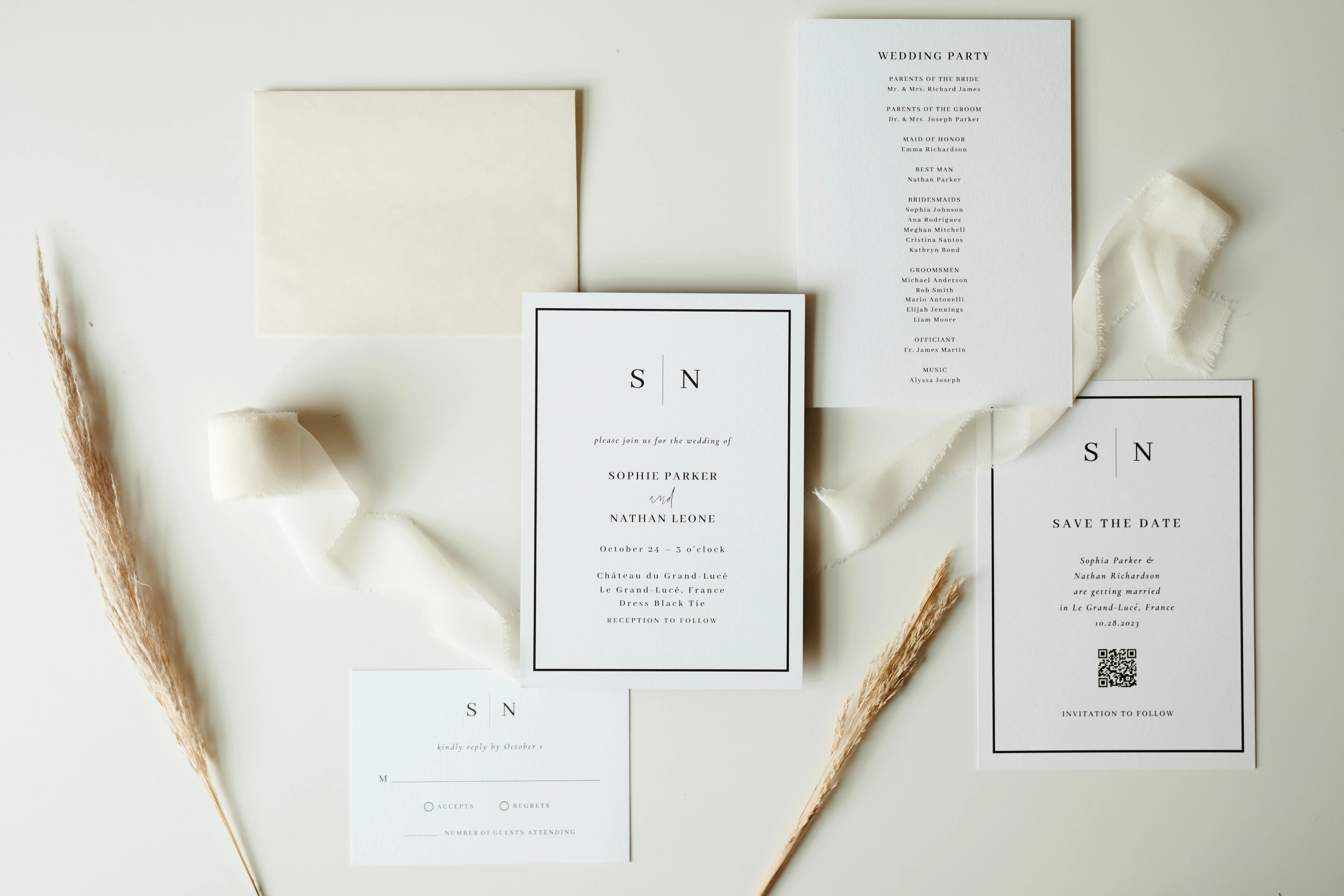
What Does RSVP Mean? Wedding Guide + Templates [2026]
What is an RSVP and what does RSVP mean on a wedding invitation? Complete 2026 guide to RSVP timelines, wording templates, digital vs paper, and tracking.
 Guest Experience
Great Wedding Guest: RSVP, Registry & Gifts
Learn how to be the perfect wedding guest with these tips on RSVPing, choosing gifts from the registry.
InvitationsHow to RSVP as a Family or Group
RSVP as a family or group for a wedding with linked guests: one response for the household, same link for schedule and photos. See how WhiteClover does it.