Advertisement
 Sponsored
A traditional wedding menu is one of the most important elements of your wedding reception. It expresses the cultural and culinary heritage of the place you celebrate, as well as your personal tastes as a couple. A well-planned wedding menu includes dishes and flavours rooted in local history and tradition, offering guests a unique experience. In this guide you will find ideas for wedding reception catering, classic dishes, regional flavours and presentation tips so that the food becomes the taste your guests remember.
Choosing a traditional wedding menu is not only about enjoying the dishes, but also about weaving tradition and custom into one of the most important days of your life. The dishes you serve often come with stories passed down through generations, linking past and present. A well-designed wedding catering menu can range from simple everyday dishes to more refined recipes, always with an emphasis on flavour and quality of ingredients.
Plan Your Event
One platform for every occasion: weddings, baptisms, corporate events and private parties.
What Is a Traditional Wedding Menu?
A traditional wedding menu is the centrepiece of the wedding reception and largely shapes your guests’ experience. It includes dishes and flavours rooted in local cuisine and tradition, offering authenticity and quality. Careful selection and presentation of the dishes help create a memorable culinary experience that guests will remember for years.
Why Catering Matters at Your Wedding
Wedding catering plays a central role: food is one of the main factors that define the success of the reception. A well-designed wedding menu can lift the atmosphere of the event, impress guests and make them feel welcome and looked after.
Choosing the right dishes is critical, your wedding reception menu should cover different tastes and dietary needs. A varied, balanced wedding menu, with options for meat, fish and vegetarian choices, can satisfy even the most demanding palates. Thoughtful presentation adds to the look of the day and enhances the guest experience. From welcome cocktails and wedding appetisers through to the main course and dessert, every part of your wedding menu contributes to a cohesive, memorable experience.
Classic Dishes for a Traditional Wedding Menu
Classic wedding menu dishes are often those deeply rooted in local cuisine and tradition. They may vary from region to region, but they share a focus on quality ingredients and flavour.
One of the most popular classic wedding dishes is lamb or goat on the spit, which often features as the main course at a traditional Greek-style wedding reception. The meat, cooked slowly and with care, gains a distinct flavour and texture. Served with roasted vegetables and traditional salads, it completes the meal. Other classic wedding menu options include stuffed vegetables, moussaka, pastitsio and stuffed vine leaves, each with its own story and identity.
Local Flavours and Traditions
Including local flavours and traditions in your wedding menu adds an authentic dimension to the day. Every region has its own recipes and culinary traditions that can bring unique flavours and aromas to your wedding catering.
In Crete, guests might enjoy dishes such as dakos, snails and wedding pilaf. In Macedonia, traditional pies such as bougatsa and baklava are beloved choices. Using local produce and traditional recipes not only strengthens the authenticity of your wedding reception menu but also supports local producers and the regional economy.
Wedding Appetisers and Salads
Wedding appetisers and salads are the first step to impressing your guests and whetting their appetite for the main courses.
For appetisers, choose from traditional options such as spinach pies, cheese pies, meatballs and stuffed vine leaves. Salads add freshness and balance: a Greek village salad with fresh vegetables, feta and olive oil is a classic. Alternatives include beetroot and walnut salad, courgette salad with vinegar and mint, or more refined salads with seasonal ingredients.
Main Courses: Meat, Fish and Vegetarian Options
Main courses are the centrepiece of your wedding menu. Variety is key, you should offer meat, fish and vegetarian options.
For meat lovers: roast lamb, kokoretsi, beef stifado. For those who prefer fish: grilled sea bass, shrimp saganaki, octopus in vinegar. Vegetarian wedding menu options should include stuffed vegetables, mushrooms saganaki and baked aubergine with feta. Work with your chef or catering team to create a wedding menu that covers all dietary needs.
Desserts and Sweets That Steal the Show
Wedding desserts and sweets are the highlight of the wedding menu. Traditional options such as baklava, galaktoboureko and kourabiedes are classic choices. Alternatives include honey-based sweets (melomakarona, loukoumades) or more modern options such as chocolate mousse and cheesecake with fresh fruit.
Presentation of the dessert table is just as important: a beautifully styled sweet table can become one of the most photographed spots at the reception.
How to Choose the Right Wedding Menu for Your Guests
Choosing the right wedding menu depends on your guests: their age, dietary habits, allergies and restrictions. It is important to offer meat, fish and vegetarian options. A wedding planning checklist and a step-by-step wedding website guide help you stay on track and keep guests informed about the reception.
Another key factor is seasonality: using fresh, seasonal produce ensures the best flavour and is often more economical and environmentally friendly. A planning hub can help you compare catering quotes and track vendor payments alongside your menu decisions. Work with your chef or catering provider to create a traditional wedding menu that showcases the best ingredients of the season.
Tips for Presenting Your Wedding Menu
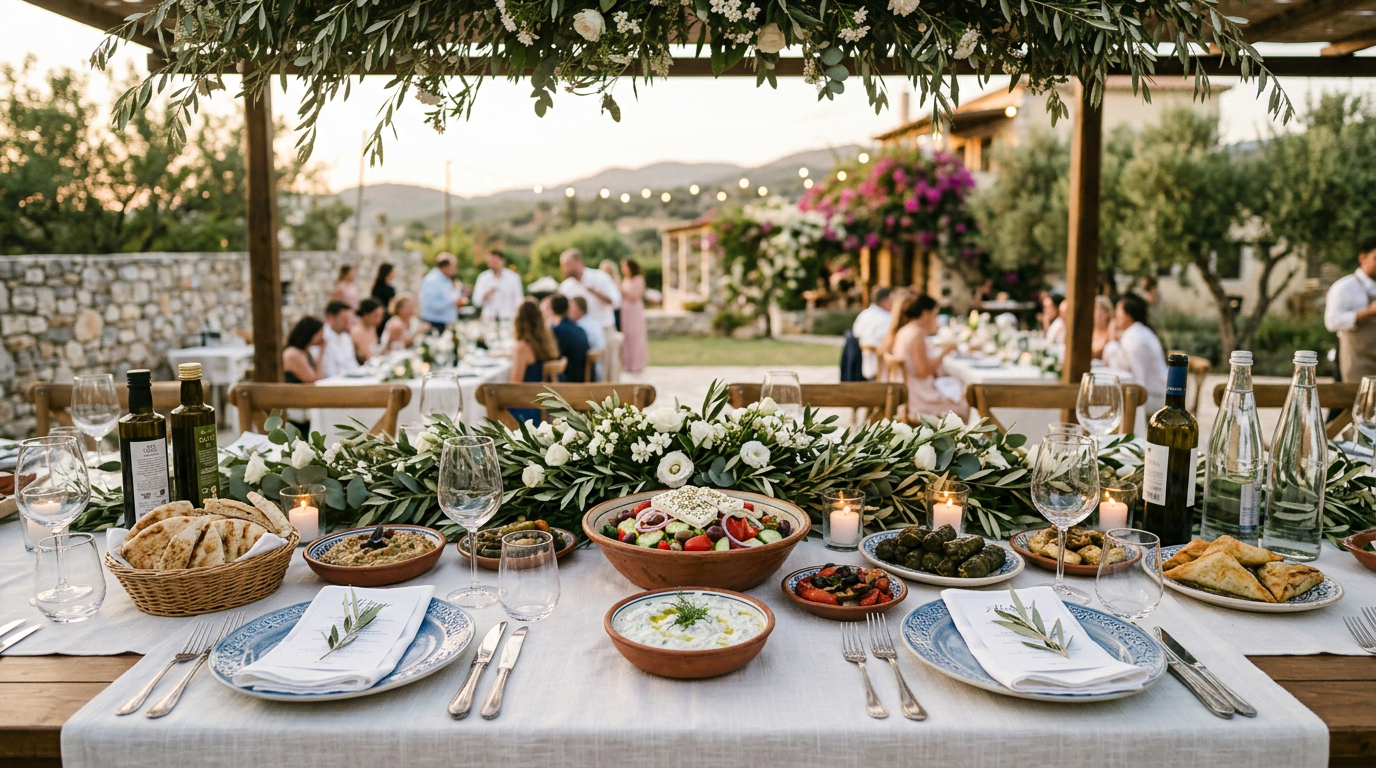
Menu presentation is as important as flavour. Consider the layout of the tables and décor: beautiful plates, glasses and cutlery add to the sense of occasion. Flowers, candles and fresh herbs create a warm, welcoming atmosphere. Each dish should be plated with care, with attention to detail and aesthetics. Dishes should work together harmoniously, both in taste and appearance.
Conclusion: The Taste That Stays With You
A traditional wedding menu can deliver a memorable culinary experience that stays with your guests long after the day. Careful choice of dishes, thoughtful presentation and the inclusion of local cuisine and traditions are the keys to success. Invest time and attention in selecting and presenting your wedding menu and work with professionals who understand the importance of catering. The food is what people remember and can make your wedding truly special.
To organise the details of your wedding reception, RSVPs, schedule and guest updates, in one place, and to share your wedding website with guests without the stress, see how WhiteClover helps modern couples share their story with guests.
Frequently Asked Questions
What should a traditional wedding menu include?
A traditional wedding menu typically includes appetisers and salads, main courses (meat, fish and vegetarian options) and desserts or a sweet table. Dishes are based on local cuisine and regional traditions, with an emphasis on fresh, seasonal ingredients.
How do I choose wedding catering?
Choose a caterer who understands traditional cuisine and can adapt the menu to your guests’ dietary needs. Ask for tastings, check reviews and discuss seasonality and presentation before you decide.
What are the most popular classic dishes on a Greek-style wedding menu?
Popular classic dishes include lamb or goat on the spit, stuffed vegetables, moussaka, pastitsio, stuffed vine leaves, Greek village salad and, for dessert, baklava, galaktoboureko and kourabiedes.
Recommended Reading
Written by
Marios P
Part of the WhiteClover team, helping couples and hosts plan unforgettable events with modern digital tools. Passionate about simplifying the celebration planning journey.
You Might Also Like
 Digital Tools
Wedding Website Creation Step-by-Step
Discover step-by-step wedding website creation for couples to streamline planning, manage guests, and personalise event details using digital tools.
 Checklists
7 Steps for a Seamless Wedding Planning Checklist 2026
Discover the essential wedding planning checklist 2026 with 7 expert steps for engaged couples seeking effortless, eco-friendly event management in Greece.
 Guest Experience
Share Your Wedding Website With Guests
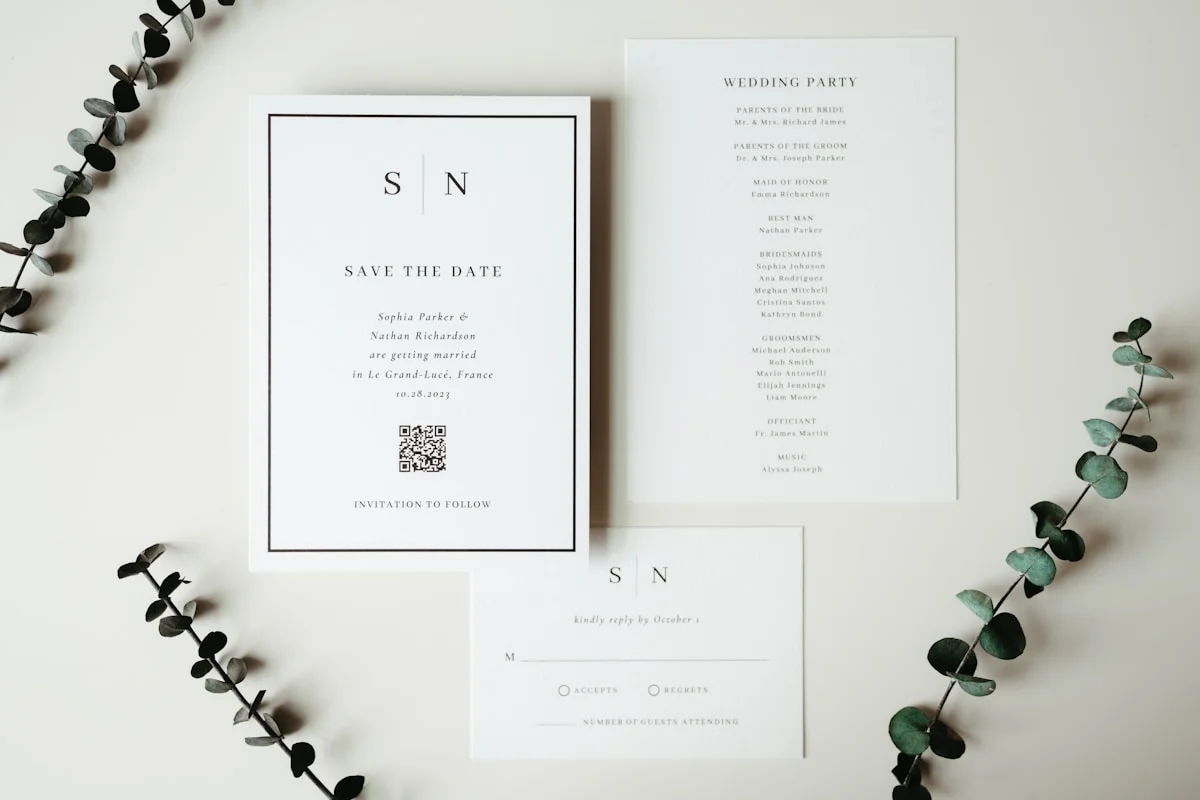
Learn how to share your wedding website with guests: where to put the link on invitations, when to send it, and how to collect RSVPs online.