Advertisement
 Sponsored
Your yiayia is not going to use an English website. She will look at it, decide she has done something wrong, and telephone your mother instead. Your cousin in Melbourne has about forty words of Greek and none of them are "dietary requirements".
Both of those people are on the same guest list, invited to the same wedding, and need the same six pieces of information. That is the whole problem, and it is more common than the wedding industry seems to think.
The instinct is to build two websites. It is the wrong instinct, and this is why.
Plan Your Event
One platform for every occasion: weddings, baptisms, corporate events and private parties.
What actually breaks with two sites
Two sites sounds clean. One in Greek, one in English, send each person the right link. In practice it fails in four specific places.
The guest list splits. Two sites usually means two RSVP forms, which means two lists of responses that you reconcile by hand at exactly the moment you are busiest.
They drift. You change the arrival time on one and forget the other. Now half your guests have the wrong time and you will not find out until the day.
People get the wrong link. They forward it to each other. The cousin who does not read Greek receives the Greek link from an aunt, and either struggles through or gives up and asks you directly.
The count is never right. Sixty on one form, ninety on the other, eleven duplicates because people filled in both to be safe. Your caterer needs one number.
Every one of those is a reconciliation problem, and reconciliation problems get worse as the date approaches.
One site, both languages
The version that works is a single site, a single guest list, and content that exists in both languages behind one link.
That means:
- One URL you can put on everything, including the printed invitation.
- One RSVP, feeding one list, producing one number.
- A language switch on the site so each guest reads it in theirs.
- One place to change the arrival time when it changes.
WhiteClover's website builder holds content per language, with language tabs in the editor and a switcher on the published site, so the same page serves both without you maintaining two of anything. See the wedding website for how it is put together.
What actually needs translating, and what does not
This is where couples over-commit and then abandon the whole idea. You do not need a full literary translation of everything.
| Section | Translate? | Why |
| Date, time, venue | Yes | The information everybody needs, and where errors hurt most |
| Travel and directions | Yes | Guests are booking from two countries with different assumptions |
| RSVP questions | Yes | Meal choices and dietary wording must be unambiguous |
| Dress code | Yes | Short, and easy to misread |
| Accommodation | Yes, briefly | Names and links can stay as they are |
| Your story | Optional | Lovely, and nobody makes a decision from it |
| Photo gallery | No | It is photographs |
Translate the six things a guest acts on. Leave the prose in whichever language it was written, or write two short versions rather than one long one twice.
Write for each side, do not translate word for word
Greek guests and international guests are not asking the same questions, so the same paragraph translated twice serves neither well.
Greek family will want to know the church, the timing around the ceremony, and who is expected when. International guests will want to know how to get there, where to stay, and what a Greek wedding involves that they may not have seen before.
The practical version: keep the same structure and the same facts, but let each language answer its own audience's questions. That is a slightly different job from translating, and it produces a much better site.
The invitation problem
Printed invitations are usually one language, and that is fine. Most couples print in Greek for family and either print a small English run or send digital ones to everybody else.
The QR code or link goes on both, pointing at the same site. The guest lands and reads it in whichever language they choose. That keeps the printing decision separate from the website decision, which is what stops this becoming complicated.
If you are sending digital invitations to part of the list, they can carry the same link, so the two halves of your guest list converge on one page and one RSVP no matter how they were invited.
Conclusion
The bilingual guest list is not a translation problem, it is a reconciliation problem. Two sites give you two of everything to keep in step, and the thing that breaks is always the guest count.
One site, one list, both languages. Translate the six things people act on. Let each language answer its own audience rather than mirroring the other word for word. And put the same link on every invitation regardless of which language it was printed in.
If that is the shape you need, start free with WhiteClover and build one site that both halves of the family can actually read.
Frequently asked questions
Should I make two wedding websites for two languages? No. Two sites mean two RSVP forms, two guest lists to reconcile and two places for details to drift out of step. The failure is almost always the headcount, because guests fill in whichever form they were sent and some fill in both. One site with both languages avoids all of it.
What parts of a wedding website need translating? The parts guests act on: date, time, venue, travel, accommodation, dress code and the RSVP questions. Your story and the photo gallery do not need it. Translating everything is what makes couples abandon the effort halfway.
Should the translation be word for word? Better not. Keep the same facts and structure, but let each language answer its own audience. Local family usually want ceremony timings and who is expected when, while guests travelling in want directions, accommodation and what to expect from the day.
Which language should the printed invitation be? Whichever suits the people receiving it, and it does not have to match the website. Many couples print in Greek for family and send digital invitations in English to everyone else. Both carry the same link, so everyone ends up on the same page and the same RSVP.
How do I handle dietary requirements in two languages? Ask the same question in both, with the options written out rather than free text where you can. Free text answers arrive in two languages and someone has to translate them for the caterer, which is exactly the manual reconciliation work a single site is meant to remove.
Read next
Written by
Dimitris S.
Part of the WhiteClover team, helping couples and hosts plan unforgettable events with modern digital tools. Passionate about simplifying the celebration planning journey.
You Might Also Like
 Wedding Planning
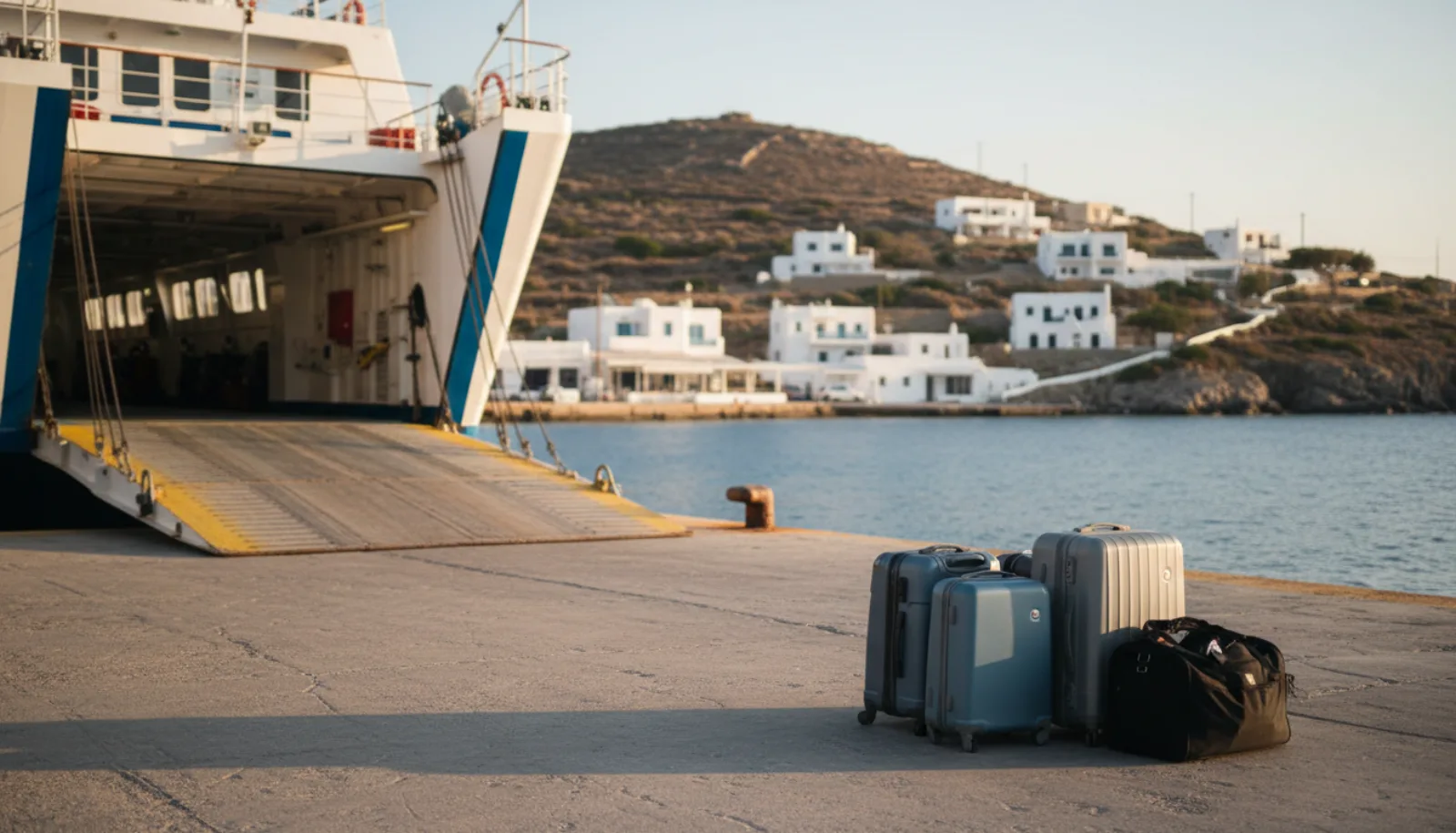
Island Wedding Travel: Ferries and Transfers
Which port, which ferry, and why the last boat matters. What to put on your travel page so island guests stop asking you the same question forty times.
 Guest Experience
Greek Island Wedding: What Guests Will Ask
Dress code in August heat, cash on small islands, the church up a hill. The questions your guests will ask, answered, so you can send a link instead.
 Invitations
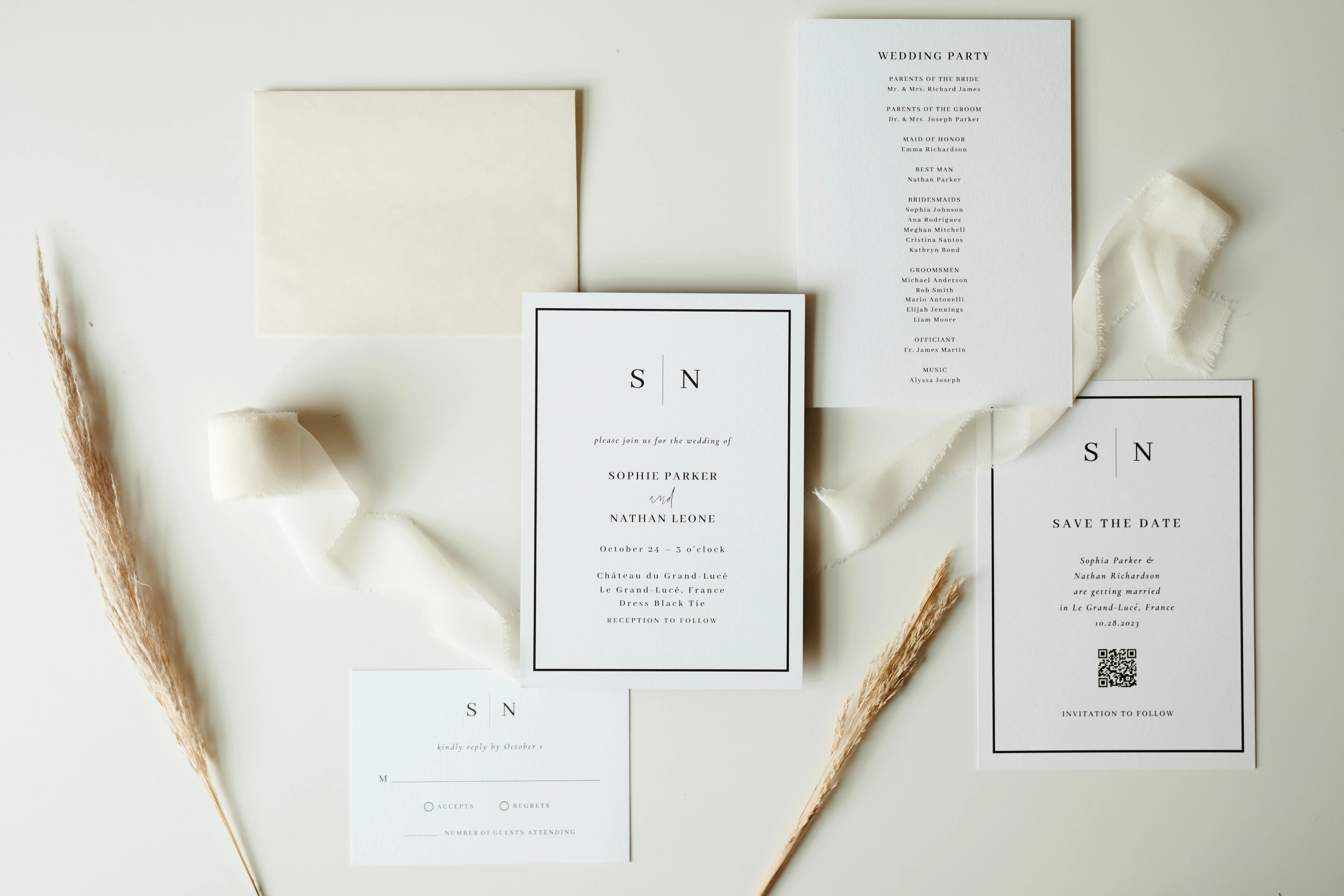
What Does RSVP Mean? Wedding Guide + Templates [2026]
What is an RSVP and what does RSVP mean on a wedding invitation? Complete 2026 guide to RSVP timelines, wording templates, digital vs paper, and tracking.