
Advertisement
 Sponsored
Coordinating a destination wedding in Greece often means juggling hectic guest lists, shifting travel plans and keeping everyone informed from afar. The rise of wedding websites has changed the way couples manage these details, offering a single digital hub for schedules, real-time RSVPs and photo sharing. With features like automated communication and interactive event galleries, you gain both efficiency and a personalised experience that feels modern and memorable for every guest.
Plan Your Event
One platform for every occasion: weddings, baptisms, corporate events and private parties.
Table of Contents
- Defining Wedding Websites And Core Functions
- Personalisation And User Experience Features
- Digital Guest Management And Rsvp Solutions
- Photo Collection And Social Interaction Benefits
- Vendor Integration And Smart Planning Tools
- Cost, Security, And Privacy Considerations
Key Takeaways
| Point | Details |
| Centralised Information | Wedding websites provide a single location for all event details, enhancing accessibility for guests. |
| Enhanced Guest Interaction | Digital platforms offer interactive features that foster engagement and real-time updates, transforming the planning experience. |
| Streamlined Guest Management | Automated RSVP tracking simplifies response collection and guest logistics, saving time and reducing errors. |
| Security and Privacy Measures | Robust digital security frameworks are essential for protecting guest data and ensuring trust throughout the planning process. |
Defining Wedding Websites and Core Functions
Modern couples are increasingly turning to digital platforms to streamline their wedding planning, with wedding websites emerging as a comprehensive solution for managing complex event logistics. For a practical guide to building yours, see our step-by-step wedding website creation guide. Digital wedding planning platforms have transformed how engaged couples coordinate their celebrations, offering unprecedented convenience and connectivity.
A wedding website serves multiple critical functions beyond traditional paper invitations, acting as a centralised hub for event information and guest interaction. These digital platforms typically include several core features:
- Event Details: Comprehensive venue information, date, time, and location specifics
- Guest Management: Digital RSVP tracking, accommodation recommendations, and travel details
- Personal Storytelling: Couple's background, relationship journey, and wedding narrative
- Photo and Media Sharing: Galleries, photo uploads, and event documentation
- Registry Integration: Direct links to gift registries and wishlist management
The technological evolution of wedding planning has made these websites indispensable tools for modern couples. By centralising information and communication, they reduce logistical complexity and create a more engaging pre-wedding experience for both hosts and guests.
Here is a summary of how wedding website features impact the planning experience:
| Core Function | Planning Benefit | Guest Impact |
| Centralised event details | All information in one location | Easy access to key details |
| Automated RSVPs | Saves time, reduces errors | Simple and fast response process |
| Interactive features | Real-time updates and collaboration | Engaging participation |
| Registry integration | Tracks gifts efficiently | Seamless, convenient gifting |
Interactive Features distinguish contemporary wedding websites from static information pages. Couples can now create dynamic platforms that allow real-time guest interactions, seamless information updates, and personalised event experiences.
Pro tip: Select a wedding website platform that offers robust customisation options and allows multiple administrators to manage event details collaboratively.
The following table compares traditional invitation methods with modern wedding websites:
| Aspect | Traditional Invitations | Digital Wedding Websites |
| Information updates | Require reprinting | Instantly editable online |
| RSVP process | Manual and slow | Automated, real-time tracking |
| Customisation | Limited to design choices | Advanced, tailored experiences |
| Guest engagement | One-way communication | Interactive and social |
Personalisation and User Experience Features
Wedding websites have evolved from simple information repositories to sophisticated, personalised digital experiences that cater to individual guest needs and preferences. Personalisation strategies are now crucial in creating engaging, interactive platforms that make guests feel uniquely connected to the wedding celebration.
Key personalisation features that transform the digital wedding experience include:
- Tailored RSVP Functionality: Custom forms handling complex family or group responses
- Multilingual Support: Event details accessible in multiple languages
- Guest-Specific Event Visibility: Displaying only relevant information for each invitee
- Personal Storytelling Sections: Intimate narratives about the couple's relationship
- Interactive Communication Channels: Direct messaging and real-time updates
Modern wedding websites leverage advanced technologies to understand user preferences, creating first-person narrative experiences that build genuine connections. By anticipating guest needs and providing contextually relevant information, these platforms transcend traditional invitation methods.
Effective personalisation transforms guests from passive recipients to active participants in the wedding journey.
Technological innovations now allow for granular customisation, enabling couples to craft digital experiences that reflect their unique relationship and wedding vision. From language preferences to dietary requirements, these platforms offer unprecedented levels of individual attention.
Pro tip: Test your wedding website's personalisation features with a small group of friends to ensure seamless and intuitive user experiences.
Digital Guest Management and RSVP Solutions
Digital wedding platforms have revolutionised guest management by introducing sophisticated RSVP tracking technologies that streamline the entire invitation and response process. For more on making RSVPs work for your big day, read Mastering RSVPs with WhiteClover. Comprehensive guest management solutions now offer couples unprecedented control and insight into their wedding guest logistics, transforming traditional invitation methods.
Key features of modern digital guest management systems include:
- Automated Response Tracking: Real-time monitoring of guest confirmations
- Customisable Invitation Forms: Flexible templates for complex guest scenarios
- Dietary Preference Collection: Detailed dietary requirement documentation
- Seating Arrangement Integration: Automatic guest categorisation and table planning
- Communication Workflow: Automated reminders and personalised messaging
These platforms provide robust digital registration capabilities that eliminate manual coordination challenges. By integrating guest communication, event timelines, and vendor details, couples can manage intricate wedding preparations with remarkable efficiency.
Digital guest management transforms wedding planning from a chaotic process into a streamlined, data-driven experience.
Advanced technologies now enable nuanced guest interactions, allowing couples to collect detailed information, track responses, and create personalised communication strategies that enhance the overall wedding experience.
Pro tip: Conduct a comprehensive test of your digital RSVP system with a small group of friends to identify and resolve potential user experience challenges.
Photo Collection and Social Interaction Benefits
Modern wedding websites have transformed photo sharing from a passive activity to an interactive social experience that connects guests across physical distances. Learn how private photo sharing for weddings keeps memories in one place without social media. Collective virtual memory creation enables friends and family to contribute, view, and relive wedding moments in unprecedented ways, breaking traditional limitations of event documentation.
Key social interaction features of digital photo platforms include:
- Instant Photo Uploads: Real-time image sharing during the event
- Collaborative Album Creation: Guests contribute their unique perspectives
- High-Quality Image Preservation: Professional-grade photo storage
- Geo-Tagged Memories: Location-specific photo documentation
- Privacy-Controlled Sharing: Customisable visibility settings
These platforms support relationship-building mechanisms that extend beyond traditional wedding photography. By facilitating conversations and shared experiences, digital photo collections create a more inclusive and engaging celebration environment.
Photo sharing transforms wedding guests from passive observers to active memory creators.
Advanced technologies now enable nuanced interactions, allowing couples to curate, moderate, and cherish a comprehensive visual narrative of their special day, bridging geographical and generational gaps.
Pro tip: Set clear guidelines for photo sharing and establish a designated hashtag to streamline your wedding's digital photo collection process.
Vendor Integration and Smart Planning Tools
Wedding websites have revolutionised vendor management by introducing sophisticated digital coordination platforms that transform traditional event planning processes. Vendor integration tools now enable couples to streamline complex logistical challenges with unprecedented efficiency and precision.
Key features of modern vendor management systems include:
- Centralised Vendor Profiles: Comprehensive service provider information
- Online Booking Interfaces: Direct communication and reservation capabilities
- Contract Management: Digital document storage and tracking
- Payment Processing: Secure financial transaction workflows
- Performance Tracking: Vendor rating and review mechanisms
These advanced platforms eliminate fragmented communication channels, creating a unified ecosystem where couples can seamlessly coordinate multiple wedding service providers. By integrating workflow automation and intelligent document management, couples gain unprecedented control over their wedding preparation.
Digital vendor tools transform wedding planning from a stressful experience into a structured, manageable journey.
Technological innovations now allow for granular vendor selection, transparent communication, and real-time collaboration, empowering couples to make informed decisions and maintain comprehensive oversight of their wedding preparations.
Pro tip: Create a dedicated vendor communication folder within your wedding website to centralise all professional interactions and documentation.
Cost, Security, and Privacy Considerations
Modern wedding websites must balance technological innovation with robust digital security frameworks that protect couples and their guests. Data privacy challenges have become increasingly complex, requiring sophisticated approaches to information management and protection.
Key security and privacy considerations include:
- Encryption Standards: Advanced data protection protocols
- Consent Management: Transparent guest information handling
- Payment Security: Secure financial transaction mechanisms
- Data Retention Policies: Clear guidelines on information storage
- Regulatory Compliance: Adherence to international privacy regulations
The evolving cybersecurity landscape demands proactive approaches to digital risk management. Couples must carefully evaluate platforms that offer comprehensive security features, ensuring guest data remains confidential and protected throughout the wedding planning process.
Digital security is not an expense, but an essential investment in trust and peace of mind.
Financial considerations extend beyond immediate platform costs, encompassing long-term data protection strategies and potential legal implications of inadequate security measures. Modern couples must view digital security as a critical component of their wedding planning infrastructure.
Pro tip: Request a detailed security audit from your wedding website provider, focusing on encryption standards, data handling practices, and compliance certifications.
Discover How WhiteClover.io Can Simplify Your Wedding Planning Journey
Planning a wedding today involves managing complex guest interactions, personalised experiences, and seamless vendor coordination, challenges highlighted in the article "Role of Wedding Websites for Modern Couples." Many couples struggle with manual RSVP tracking, scattered photo collections, and communication chaos that add stress instead of joy. With WhiteClover.io, you gain an all-in-one platform designed to tackle these exact pain points. Our Smart Save the Date & Contact Collector automates guest information gathering across social platforms while our integrated photo and video app ensures you collect high-quality memories from every attendee.
Take control of your wedding plans with ease by creating a personalised wedding website that hosts your schedules, invitations, and guest management tools all in one place. Explore how to streamline your event with advanced features for vendor listings and tailor-made timelines on WhiteClover. Don’t let traditional manual processes weigh you down, start your effortless planning experience now and transform your wedding journey into a celebration full of meaningful connections and stress-free management.
Frequently Asked Questions
- What are the core functions of a wedding website?
A wedding website typically serves several key functions, including providing detailed event information, managing guest RSVPs, sharing the couple's personal story, offering photo and media sharing capabilities, and integrating gift registries.
- How do digital wedding websites improve guest management?
Digital wedding websites streamline guest management through automated RSVP tracking, customisable invitation forms, accommodation recommendations, and efficient communication workflows, making the planning process smoother for both couples and guests.
- What personalisation features can enhance the guest experience on a wedding website?
Personalisation features may include tailored RSVP functionality, multilingual support, visibility of relevant information for individual guests, personal storytelling sections, and interactive communication channels for direct messaging and updates.
- What security measures are important for a wedding website?
It’s essential for a wedding website to implement strong security measures such as encryption standards, transparent consent management, secure payment processing, and compliance with data protection regulations to safeguard guest information.
Recommended
Written by
Ioanna V.
Part of the WhiteClover team, helping couples and hosts plan unforgettable events with modern digital tools. Passionate about simplifying the celebration planning journey.
You Might Also Like
 Digital Tools
Wedding Website Benefits & Guest Experience
Discover the key benefits of wedding websites for engaged couples, guest management, digital RSVPs, stress-free planning, and seamless communication.
 Digital Tools
Wedding Website Creation Step-by-Step
Discover step-by-step wedding website creation for couples to streamline planning, manage guests, and personalise event details using digital tools.
 Invitations
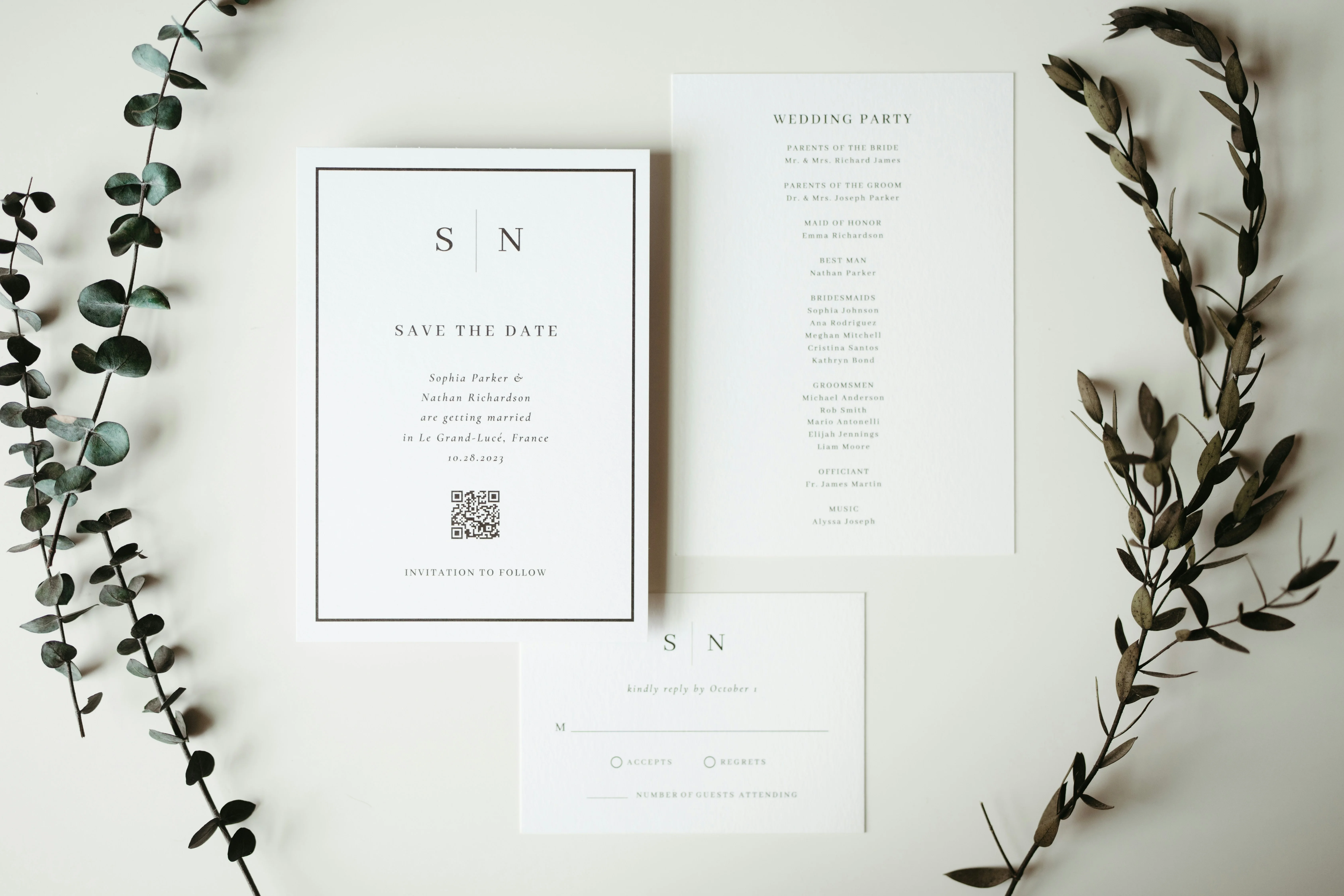
The Modern Save the Date: Collect Contacts
Discover the new way to send save the dates. Use a single link to collect guest contacts like emails and phones, saving you hours of wedding planning time.