Advertisement
 Sponsored
Planning a destination wedding in Greece brings excitement, but handling guest logistics and keeping everyone informed can feel overwhelming. A wedding website solves this by centralising event details, RSVPs, and guest communication in one interactive hub. Many couples worry that modern wedding websites are impersonal or difficult to use, yet these platforms act as interactive hubs for coordination and guest engagement. With features that support real-time communication and eco-friendly practices, a modern wedding website bridges tradition and practicality, making your celebration more engaging for everyone.
Plan Your Event
One platform for every occasion: weddings, baptisms, corporate events and private parties.
Table of Contents
- Defining Modern Wedding Websites And Myths
- What Makes A Wedding Website "Modern"
- How Modern Websites Address Wedding Rituals
- Bridging Tradition And Digital Reality
- Essential Features For Seamless Planning
- Streamlining Guest Interaction And RSVPs
- Financial, Environmental, And Social Advantages
- Avoiding Common Pitfalls And Maximising Value
Key Takeaways
| Point | Details |
| Modern wedding websites are essential | They serve as interactive platforms that centralise guest information, enhancing the overall experience. |
| Dispelling myths about wedding websites | Contrary to common beliefs, these sites are user-friendly, affordable, and complement traditional communication. |
| Key features for effectiveness | Successful websites include tools for guest management, schedule tracking, and real-time updates to ensure seamless planning. |
| Focus on guest engagement | Encourage interactions through photo uploads and timely updates, fostering a sense of community before the event. |
Defining Modern Wedding Websites and Myths
Wedding websites have evolved far beyond simple online invitations. Today's modern wedding websites are comprehensive digital hubs that centralise everything your guests need. From schedules and accommodation details to photo galleries and live updates. They're not just informational; they're interactive platforms designed to engage and guide your guests throughout the entire experience.
But let's tackle the myths first.
Common Myths About Wedding Websites
Many couples believe wedding websites are outdated or unnecessary. This couldn't be further from the truth, especially for destination weddings in Greece where guests face logistical challenges like travel arrangements, visa requirements, and unfamiliar venues.
To better understand the core differences between traditional and modern wedding planning, see the comparison below:
| Aspect | Traditional Planning | Modern Wedding Website |
| Communication | Phone calls, post | Instant notifications, chats |
| RSVP Management | Paper, manual tracking | Automated, real-time updates |
| Guest Experience | Fragmented information | Centralised, interactive hub |
| Environmental Impact | High paper waste | Minimal, eco-friendly |
| Vendor Coordination | Multiple emails, meetings | Integrated digital directory |
Here are the biggest misconceptions:
- "Only tech-savvy guests will use it": Modern platforms are designed for everyone, with intuitive navigation that requires minimal instruction
- "It replaces personal communication": Websites complement your personal touch; they handle logistics whilst you maintain the emotional connection
- "It's too expensive to maintain": All-in-one platforms handle updates automatically, eliminating ongoing costs
- "Guests won't visit multiple times": Strategic updates keep visitors returning for new information, timelines, and vendor recommendations
Modern wedding websites are not replacements for tradition. They're bridges between your vision and your guests' needs.
What Makes a Wedding Website "Modern"
A modern wedding website goes beyond static pages. It actively involves guests through RSVPs, photo uploads, and real-time schedule tracking. When examining how wedding websites serve modern couples, you'll notice they combine storytelling with functionality.
Key characteristics include:
- Mobile-first design: Most guests access from smartphones, not desktops
- Integrated guest communication: Direct messaging and notification systems built in
- Photo and video collection: Guests upload memories in high quality from one centralised location
- Real-time updates: Changes propagate instantly across all platforms
- Vendor integration: Guest recommendations and vendor details accessible directly
How Modern Websites Address Wedding Rituals
Weddings are steeped in tradition and meaning. Research into wedding rituals and their symbolism reveals that modern couples often feel pressure to follow conventions that don't align with their values. A thoughtfully designed website helps you communicate which traditions matter to you, whether that's Greek Orthodox customs, modern unity ceremonies, or cultural blends.
For destination weddings especially, websites become cultural translators; explaining local customs to international guests who may be unfamiliar with Greek wedding traditions.
Bridging Tradition and Digital Reality
Weddings as rites of passage have always reflected contemporary culture. Today, that means incorporating digital tools alongside timeless ceremonies. Your wedding website preserves the romance and meaning of your celebration whilst simplifying the practical elements.
This balance matters most for destination weddings, where logistics can overshadow the emotional experience. A modern website handles accommodation suggestions, transport coordination, and activity recommendations, freeing you to focus on what truly matters.
Pro tip: Use your wedding website to tell your unique story upfront. Why you chose Greece, how your traditions blend, what guests should expect. So the digital experience feels personal, not impersonal.
Essential Features for Seamless Planning
Your wedding website needs to work as hard as you do. The best platforms combine organisation tools with guest interaction features, eliminating the chaos of spreadsheets, emails, and scattered information. For destination weddings in Greece, this centralisation becomes even more critical.
Core Planning Tools Your Website Must Have
Every effective wedding website includes features that keep your planning on track whilst keeping guests informed.
Here is a summary of the planning tools that offer strategic advantages for destination weddings:
| Tool Type | Advantage | Example Use Case |
| Guest Management | Streamlines data collection | Track RSVPs, meal choices |
| Schedule Builder | Reduces time confusion | Ceremony times, timezones |
| Budget Tracker | Prevents overspending | Monitor vendor payments |
| Vendor Directory | Supports local businesses | Recommend Greek vendors |
| Media Collection | Enhances engagement | Centralised photo uploads |
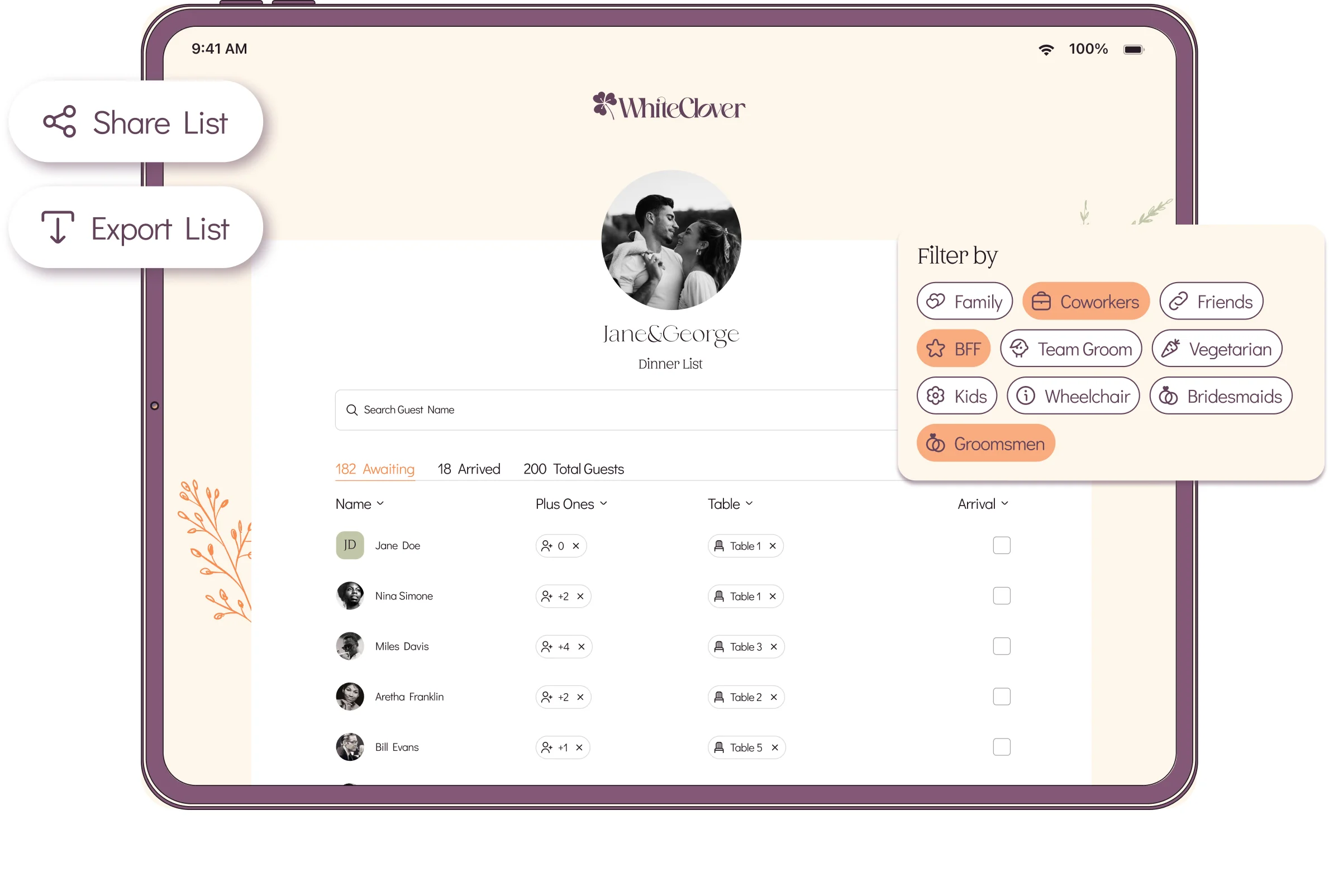
- Guest list management: Track RSVPs, dietary requirements, and contact information in one searchable database
- Timeline and schedule builder: Display ceremony times, reception schedules, and day-of activities with timezone conversion for international guests
- Budget tracking: Monitor vendor costs, deposits, and payments without switching between tools
- Vendor directory: Access contact details, quotes, and recommendations for Greek vendors all in one place
- Seating and table management: Assign guests to tables, manage meal preferences, and generate printable seating charts
The right feature set transforms your website from information display to operational command centre.
Photo and Video Collection at Scale
One of the most powerful features for destination weddings is centralised media collection. Rather than hunting through various cloud services or social media accounts for guest photos, a dedicated platform lets attendees upload high-quality images and videos directly.
Your guests capture moments from their perspective - pre-wedding exploration of Greece, getting ready, candid reception shots - and everything lands in one organised library.
Real-Time Communication and Updates
Destination weddings change. Weather shifts. Transport times adjust. Flight delays happen. Your website should push updates instantly to all guests through built-in notification systems, rather than relying on everyone checking email regularly.
Accommodation and Logistics Support
When guests travel internationally, they need clear guidance on where to stay, how to get around, and what to expect. Your website should include:
- Accommodation suggestions with booking links
- Airport transfer details and timing
- Visa requirements and travel documentation
- Currency information and local tips
- Activity recommendations for pre- or post-wedding days
When step-by-step wedding website creation guides you through setup, these logistics features become straightforward to implement.
Integration With Your Overall Strategy
The most seamless websites don't feel like separate systems. Your guest communication, photo collection, vendor management, and scheduling all function together, not in isolation.
This interconnectedness matters when you're managing a destination event across time zones with vendors in different locations.
Pro tip: Prioritise features that solve your specific challenges. If 40% of your guests are international, invest in timezone conversion and travel guidance; if photography matters most, ensure the photo upload system is intuitive and produces high-quality downloads.
Streamlining Guest Interaction and RSVPs
Traditional RSVP methods are painfully slow. Paper cards sit in mailboxes. Email responses get buried. Phone calls interrupt your day. For destination weddings where guests are scattered across continents, this chaos multiplies exponentially.
Modern wedding websites transform RSVPs from a logistical nightmare into an automated conversation.
The Problem With Traditional RSVPs
Most couples spend weeks chasing down confirmations. You send invitations, then wait. Follow-ups get ignored. Some guests never respond at all, forcing difficult guessing games about final numbers.
For Greek destination weddings specifically, international guests face confusion about timezones, deadlines, and what information you actually need.
How Digital RSVPs Work Differently
Active guest interaction through modern platforms changes everything. When guests receive a wedding website link, they immediately see all relevant information alongside the RSVP form; accommodation details, schedule, travel tips, dietary options.
They complete everything in one place, not scattered across multiple messages.
Speed and Accuracy at Scale
Digital RSVPs deliver data instantly. You watch your guest list populate in real time, with responses automatically organised in a searchable database. No manual data entry. No spreadsheet errors. No missing contact information.
Guests can update their responses later if plans change; critical for international guests booking flights or adjusting travel dates.
Key RSVP Features That Matter
When selecting a wedding website platform, look for:
- Instant response notifications: Know immediately when guests confirm
- Customisable RSVP fields: Collect dietary restrictions, plus-one details, and accessibility needs directly
- Automated reminders: Gentle nudges reach non-responders without manual effort
- Guest detail organisation: Names, contact information, meal preferences all linked to each response
- Export functionality: Download data for your caterer, venue, or seating chart software
Digital RSVPs aren't just faster. They create a two-way conversation that guests actually engage with.
Real-Time Communication Beyond RSVPs
Once guests RSVP, your website becomes their information hub. Updates to schedules, weather changes, or logistical adjustments push through automatically rather than requiring mass email blasts.
Guests check your website regularly because it contains information they need, making them receptive to important updates.
Understanding RSVP meaning and best practices helps you craft effective invitations that encourage genuine engagement.
Your RSVP message should clearly explain what you're asking for, when you need responses, and what guests will receive by confirming.
Eco-Friendly Benefits
Digital RSVPs eliminate printed cards, envelopes, and postage. For environmentally conscious couples planning destination weddings, this aligns with values around sustainability whilst modernising the entire guest experience.
Your guests appreciate the convenience. You appreciate the time saved.
Pro tip: Set your RSVP deadline 6-8 weeks before your wedding if guests are travelling internationally, giving them time to book flights and accommodation without rushing; include a "tentative" option for guests still finalising travel plans.
Financial, Environmental, and Social Advantages
Wedding websites do more than simplify planning. They create measurable benefits across your budget, your environmental footprint, and your community impact. For destination weddings in Greece, these advantages compound when you're coordinating across distances and cultures.
The Financial Case for Digital Planning
Traditional wedding planning bleeds money through inefficiency. Printed invitations cost pounds. Postage adds up. Phone calls to track RSVPs eat time better spent elsewhere. Multiple vendors lack coordination, leading to duplicate bookings and wasted services.
Digital platforms eliminate these costs immediately. You save on stationery, postage, and countless follow-up communications. More importantly, centralised vendor management prevents costly mistakes.
Cost Savings Through Better Organisation
When all vendor information lives in one place, you avoid paying twice for the same service. Your budget dashboard tracks spending in real time, preventing overspends before they happen.
Guests also save money when your website provides clear information about accommodation options, transport costs, and activity pricing. They make informed decisions rather than last-minute expensive choices.
Environmental Benefits of Going Digital
The wedding industry carries substantial environmental weight. Traditional invitations generate paper waste, carbon from printing and postage, and packaging materials. Digital alternatives eliminate this entirely.
But the benefits extend further. When sustainable wedding practices focus on the triple bottom line, environmental gains include reduced waste and lower carbon footprints throughout planning and execution.
Supporting Local Greek Vendors Sustainably
Your wedding website becomes a marketplace for local businesses. When you feature Greek photographers, florists, caterers, and venues through your site, guests discover and support these vendors directly. This strengthens local economies whilst reducing transport and carbon impact from imported services.
Your wedding becomes a community investment, not just a celebration.
Social and Community Advantages
Digital platforms foster genuine engagement. Guests aren't passive recipients of information. They actively participate by uploading photos, sharing experiences, and connecting with other attendees before arriving in Greece.
This creates community from the start:
- Photo sharing: Guests document their journeys and contribute to your wedding narrative
- Guest interaction: Attendees connect with one another before the event, reducing awkwardness
- Accessibility: Centralised information accommodates guests with different needs and abilities
- Inclusive planning: Everyone receives the same quality information regardless of location
Sustainable weddings balance financial savings, environmental responsibility, and genuine human connection. Digital platforms make this possible.
The Reputational Impact
Your choices matter. Guests increasingly expect sustainable innovations that reduce environmental impact whilst supporting responsible vendors. By choosing digital planning and eco-conscious practices, you align your celebration with values your guests respect.
This reputation extends beyond your wedding. Your choices influence how friends and family approach their own events.
Measuring Your Impact
Most digital platforms show you quantifiable benefits: invitations sent, paper saved, RSVPs received, responses collected. You can actually see the difference your choices make.
For destination weddings, this transparency strengthens trust with international guests who appreciate knowing their attendance supports local Greek businesses and sustainable practices.
Pro tip: Feature your sustainability choices prominently on your wedding website: explain why you chose digital invitations, highlight local vendors you're supporting, and invite guests to contribute photos rather than purchasing traditional favours; this transforms logistics into storytelling.
Avoiding Common Pitfalls and Maximising Value
The most expensive pitfall is the word free. What free wedding websites actually cost you covers where the charges tend to appear.
A poorly designed wedding website wastes the entire premise. You've invested time and money into a platform. You need it to actually work. Many couples unknowingly sabotage their own websites through preventable mistakes that frustrate guests and undermine planning.
The Information Balance Problem
Too much information overwhelms guests. Too little leaves them confused. Finding the right balance matters enormously for destination weddings where guests desperately need clarity.
Common wedding website mistakes include providing insufficient information about travel logistics, dress codes, and event timing. Guests end up emailing you with questions you thought were answered on the site.
What Information Guests Actually Need
Include these essentials, organised clearly:
- Dates and times: With timezone conversions for international guests
- Dress code: Be specific; "smart casual" confuses people in different cultures
- Travel details: Airport recommendations, transport from airport to accommodation, parking information
- Accommodation suggestions: Links and pricing for nearby hotels and alternative options
- Agenda: What happens each day, where, and when
- Dietary and accessibility information: How to specify requirements during RSVP
- Weather and packing advice: Especially important for Greek destination weddings
Omit personal financial details, home addresses, or sensitive family information that guests don't need.
Design and Navigation Failures
Your website must function perfectly on mobile phones. Most guests access your site from smartphones, not desktops. If navigation feels clunky or information loads slowly, guests abandon it.
Poor website design and unresponsive layouts cause lost opportunities and frustration. Your guests need intuitive navigation, clear headings, and pages that load quickly.
Critical Design Elements
Make these non-negotiable:
- Mobile responsiveness: Test everything on a phone before launch
- Clear navigation menu: Home, About, Schedule, Logistics, RSVP, Photos clearly visible
- Fast loading times: Compress images; don't embed unnecessary videos
- Readable fonts: Large enough for older guests without squinting
- Accessible colour contrast: Don't rely solely on colour to convey information
A beautiful website that confuses guests is worse than a simple one that answers their questions.
Keeping Content Fresh and Relevant
Guestbooks go stale without updates. Post new information as plans solidify: vendor confirmations, timeline refinements, accommodation recommendations. Regular updates signal that your website is your communication channel, encouraging repeat visits.
For destination weddings especially, guests check your site repeatedly as the event approaches, looking for last-minute details.
Maximising Guest Participation
Your website should encourage active engagement, not passive reading. Make photo uploads easy. Respond to guest questions in a dedicated FAQ section. Share updates that directly benefit attendees.
Guests who feel heard and informed become advocates for your celebration, not anxious questioners emailing repeatedly.
Security and Privacy Considerations
Protect your guests' information. Don't post full phone numbers or home addresses publicly. Password-protect your site if it contains sensitive details. Be transparent about how you're storing guest data.
For international guests, this builds trust in your handling of personal information.
Pro tip: Before launch, send your website link to three trusted friends outside your immediate circle and ask them to navigate it as first-time guests. They'll catch confusing sections and missing information you've grown blind to after months of planning.
Elevate Your Wedding Experience with WhiteClover
This article highlights the challenges couples face when managing guest communication, RSVPs, travel logistics and photo collection especially for destination weddings in Greece. You want a seamless, modern wedding website that keeps guests informed and engaged while simplifying your planning process. Key pain points like real-time updates, centralised guest management and high-quality media sharing need digital solutions designed for effortless collaboration and eco-friendly organisation.
WhiteClover.io offers exactly this comprehensive digital suite tailored to couples and planners seeking total control without the stress. With intuitive RSVP tracking, interactive schedules, vendor directories and a unique guest-facing photo app, you gain full transparency and operational ease. Discover how to create personalised wedding websites that transform your guests from confused visitors into enthusiastic participants.
Start your journey toward stress-free wedding planning today. Explore WhiteClover to unlock tools for smart guest management, budget planning and photo sharing all in one place, or head to the dashboard to get started. Learn more about creating your wedding website and streamline every detail of your celebration with ease. Don’t wait until the last minute, your flawless wedding experience begins now.
Frequently Asked Questions
- What are the main benefits of using a wedding website?
A wedding website centralises important information for guests, including schedules, RSVPs, and accommodation details, enhancing their overall experience and reducing confusion.
- How do modern wedding websites improve the RSVP process?
Modern wedding websites offer automated, real-time RSVP tracking. Guests can respond easily in one place, eliminating the delays and confusion associated with traditional RSVP methods.
- What features should I look for in a wedding website?
Essential features include guest list management, real-time updates, photo and video collection, vendor directories, and a user-friendly interface for both desktop and mobile devices.
- Can a wedding website help communicate my wedding's traditions?
Yes, a wedding website can bridge cultural gaps by explaining your traditions and rituals. This is especially useful for guests unfamiliar with specific customs, ensuring they feel informed and included.
Recommended
Written by
Dimitris S.
Part of the WhiteClover team, helping couples and hosts plan unforgettable events with modern digital tools. Passionate about simplifying the celebration planning journey.
You Might Also Like
 Digital Tools
Role of Wedding Websites for Modern Couples
Role of wedding websites explained: Learn how personalised digital platforms streamline guest management.
 Digital Tools
Wedding Website: Pros and Cons
In this article, we will explore the pros and cons of adopting a wedding website.
 Digital Tools
Wedding Website Creation Step-by-Step
Discover step-by-step wedding website creation for couples to streamline planning, manage guests, and personalise event details using digital tools.