Advertisement
 Sponsored
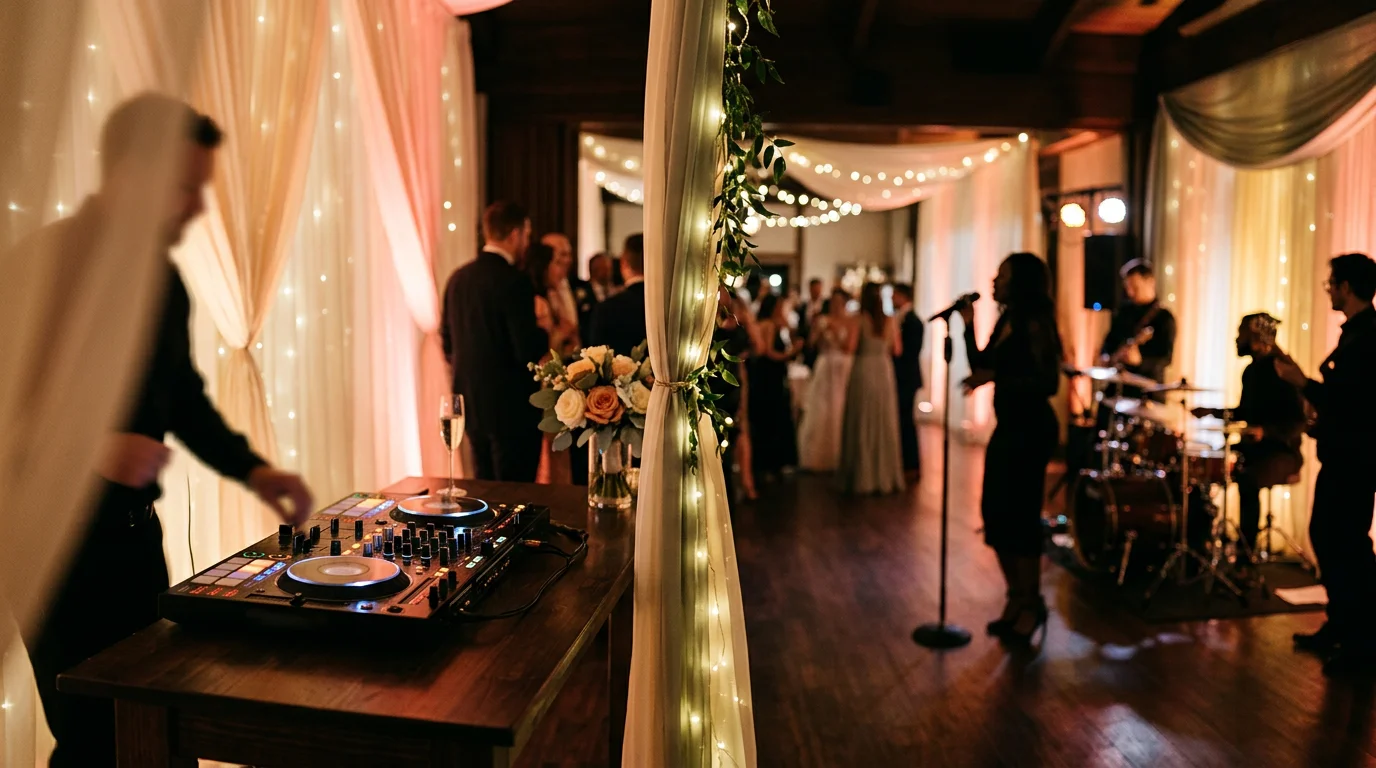
What is the difference between a DJ and a live band for your wedding reception? In practice it is the sound source, space and budget footprint, continuity of music, and atmosphere: a DJ plays recordings with near-unlimited variety and easy volume control; a live band delivers a shared performance energy, often with a defined set list and breaks. Neither is “better”: the right choice matches your venue rules, guest mix, budget, and the vibe you want from first dance to last song.
Below is a clear comparison for reception music (not necessarily ceremony: where acoustic, soloists, or strings often win). Use it as a conversation starter with your partner before you sign anything.
Plan Your Event
One platform for every occasion: weddings, baptisms, corporate events and private parties.
Quick Comparison: DJ vs Live Band
| Factor | DJ | Live band |
| Repertoire | Huge range across genres and decades; requests easier to honour on the spot | Curated set list in the band’s style; some bands expand repertoire for a fee |
| Energy & atmosphere | Depends on DJ skill and reading the room; can pivot genres in seconds | Strong “concert in the room” feel; crowd feeds off musicians |
| Continuity | Music can run continuously through dinner and dancing | Natural breaks between sets; need a plan for gaps |
| Space & staging | Compact footprint; easier in smaller venues | Needs stage or floor space, power, sometimes monitoring for musicians |
| Typical cost band | Often lower total than a full professional band (varies wildly by market) | Usually higher for equivalent wedding-experienced line-ups |
| Volume & curfews | Easier to dial down for noise limits | Acoustic drums and amps can challenge sound limiters; discuss with venue |
Pro tip: Ask your venue about sound limiters and curfew before you fall in love with a nine-piece band.
When a DJ Often Wins
A wedding DJ shines when you want genre-hopping (grandparents’ era to current charts), multicultural playlists, or a packed dance floor without long quiet gaps. DJs can usually emcee introductions and toasts smoothly if you brief them, and they adapt when the crowd suddenly wants disco instead of indie.
DJs also tend to suit tighter budgets, smaller dance floors, or venues with strict decibel rules: you can still dance; you just need someone who respects the room.
When a Live Band Often Wins
A live band fits when the sound and look of live instruments is part of your story: soul, swing, rock, Greek folk, jazz trio, or a party covers band you have actually heard live. Guests remember musicians in the room as part of the décor of the night.
Bands work best when you have space, budget, and time to agree on must-play and do-not-play lists, plus a clear plan for between sets.
The Hybrid: Band + DJ (or Band + Playlist)
Many couples book a live band for the peak dancing hours and a DJ (or curated playlist with a sound tech) for dinner, late night, or band breaks. That balances live magic with continuous energy: at a cost, so weigh total hours you are paying for.
If you hybrid, clarify in contracts who provides PA, changeover time, and who controls volume so there is no awkward silence while cables move.
Venue and Planner Questions to Ask Early
Your event venue may restrict load-in times, stage size, or amplified music outdoors. Bring those answers to every music meeting. If you are still shortlisting spaces, the same article’s section on sound, power, and acoustics is a useful checklist.
Working with a wedding planner or coordinator? How to pick the right wedding planner explains how pros help you align vendor contracts, timelines, and backup plans: including what happens if a band member is ill or equipment fails.
For contract-level diligence with any supplier, our wedding vendor checklist covers payment schedules, cancellation, and overtime: relevant whether you hire a DJ, a band, or both.
How This Fits Your Overall Plan
Music is one pillar of guest experience, alongside food, flow, and photography. Wedding planning step by step helps you sequence budget, venue, and vendors so you are not choosing a twelve-piece band before you know the room’s rules.
Keep music notes (contacts, set times, AV needs) next to your budget and timeline in one place, WhiteClover’s Planning Hub is built for that. If you are also researching wedding professionals more broadly, see use cases for vendors and how suppliers connect with couples via the partner directory.
Conclusion
The difference between a DJ and a live band at your wedding reception comes down to how you want the night to feel, what your venue allows, and how you want music to cover the full arc of dinner and dancing, not a single “correct” answer.
Choosing between DJ, band, or hybrid can feel high stakes; this guide compared repertoire, continuity, space, cost, and volume so you can shortlist with confidence. WhiteClover helps you keep planning, budget, and vendor details organised in one workspace, start at WhiteClover or open your dashboard at app.whiteclover.io.
Frequently Asked Questions
Is a DJ cheaper than a live band for a wedding?
Often yes for comparable wedding-season weekend dates, but markets differ. Always compare quotes that include hours, travel, equipment, and overtime.
Can a live band play our first dance song exactly like the recording?
Sometimes yes if it is in their repertoire or they arrange it; sometimes they suggest a close stylistic match. Ask months ahead, not weeks.
What do guests do during band breaks?
Plan recorded music, a DJ segment, or a soloist so energy does not collapse. Silence between sets feels longer than it is.
Do we need both a DJ and a band?
Not unless you want hybrid coverage. Many weddings use one or the other successfully; planners often model timeline vs. cost for you.
How do sound limiters affect DJs and bands?
Limiters cut power when volume exceeds a threshold; bands with drums can trip them more easily than a controlled DJ PA. Sound check with the venue or an experienced tech helps.
Written by
Marios P
Part of the WhiteClover team, helping couples and hosts plan unforgettable events with modern digital tools. Passionate about simplifying the celebration planning journey.
You Might Also Like
 Wedding Planning
Wedding Planning Step by Step (2026)
Wedding planning step by step: a clear timeline from budget to vendors, guest list, website, RSVPs, and week-of logistics, without the overwhelm.
 Vendor Tips
How to Pick the Right Wedding Planner: A Practical Guide
Five questions that tell you more than a planner's Instagram feed: how they communicate, keep costs transparent, and handle a wedding planned from abroad.
 Wedding Planning
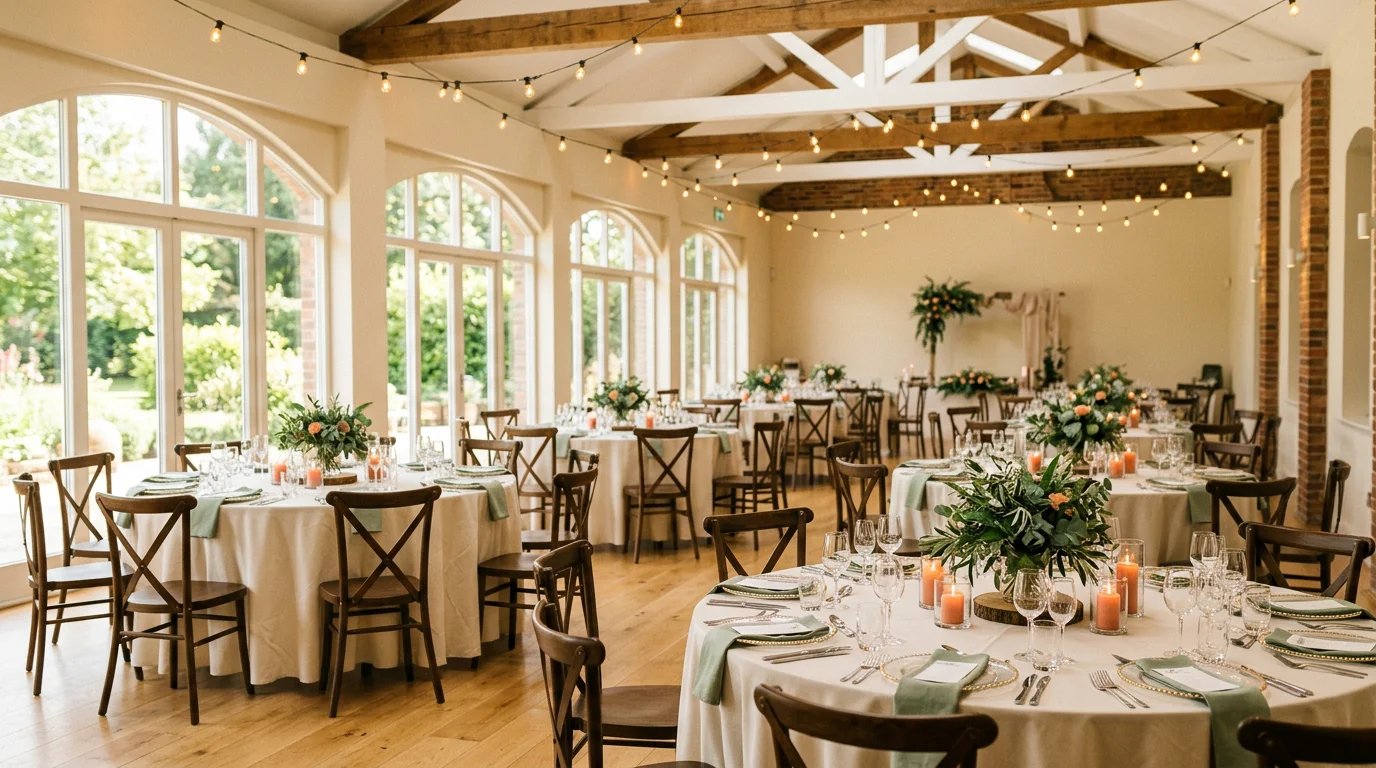
What to Look for in an Event Venue
Choosing an event venue? Check capacity, flow, what is included, access and parking, wet-weather plans, contracts, and photo-friendly light.