Advertisement
 Sponsored
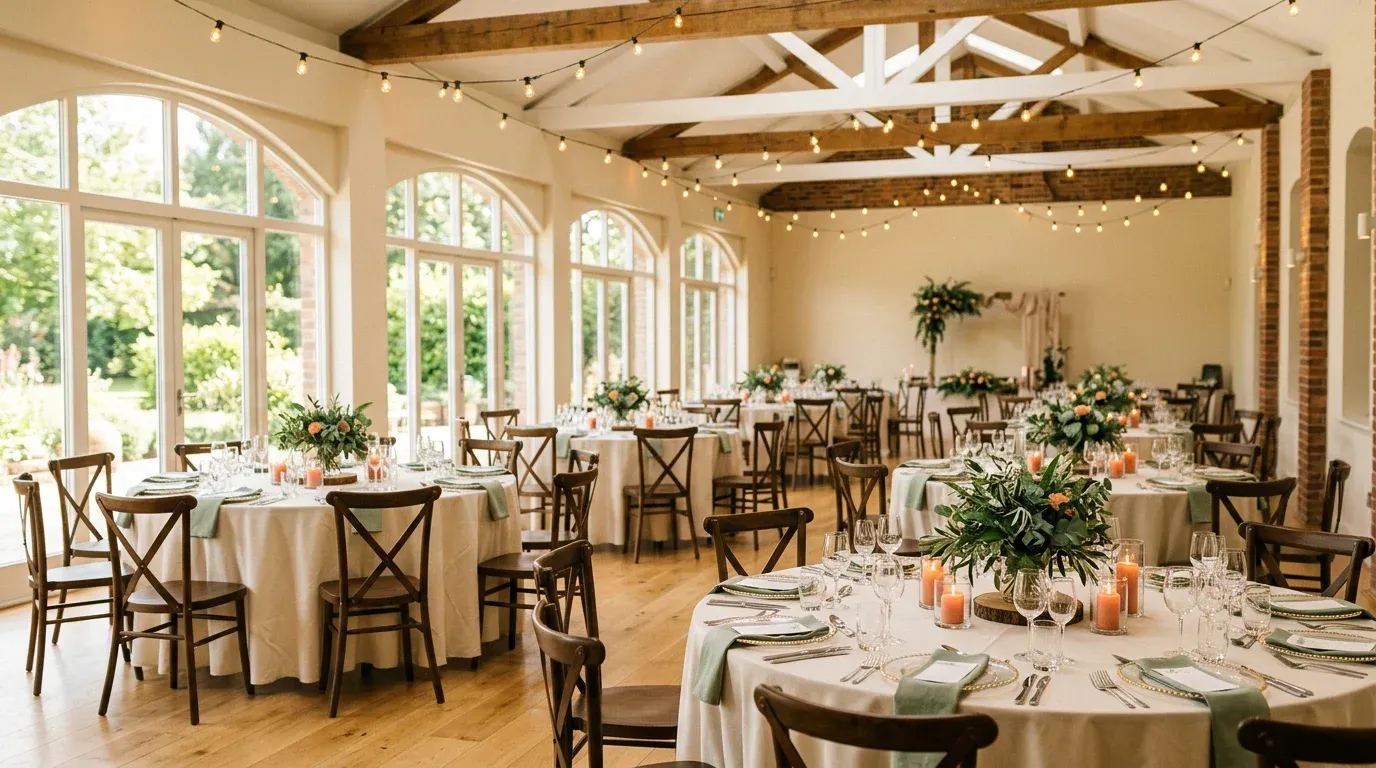
What should you look for in an event venue? Beyond “it looks beautiful on Instagram,” the strongest shortlists score well on capacity and flow, what is included in the fee, access and timing, backup plans, and contract clarity. Whether you are planning a wedding, an engagement party, or a multi-day celebration, the venue is the frame around everything else: catering, music, photography, and guest comfort all hang on those details.
This guide walks through the practical checks couples and hosts often forget until after a deposit is paid, and points you to deeper reads on budget surprises and planning step by step so your choice still feels like your kind of story six months later.
Plan Your Event
One platform for every occasion: weddings, baptisms, corporate events and private parties.
Capacity, Layout, and Guest Flow
Event venue capacity is not one number. Ask how many guests fit for:
- Seated dining (your likely wedding or dinner format).
- Standing reception or cocktail layout.
- Ceremony in the same room as the party, if you are not moving guests between spaces.
Walk the route a guest would take: entrance, cloakroom or toilets, bar, dance floor, outdoor area. Bottlenecks at doors and bars are felt on the night, not in a brochure. If you are weighing round versus long tables or a separate ceremony lawn, sketch a rough floor plan with your estimated headcount before you fall in love with the view.
For how venue choice fits into the wider sequence of decisions, see wedding planning step by step. If you already use digital seating tools, our wedding seating chart page explains how layout and headcounts stay connected.
Pro tip: Visit at the same time of day as your event when you can, light and temperature tell a different story at golden hour than at midday.
What Is Included: and What You Must Bring In
In-house services vary wildly. Clarify in writing:
- Furniture, linens, glassware, and tableware: included, hired through the venue, or entirely your responsibility?
- Catering: exclusive in-house kitchen, approved list, or bring-your-own?
- Bar and licensing: who holds the licence, corkage rules, minimum spend.
- Sound, lighting, and power: adequate for your band or DJ, or extra generators needed?
- Staff: setup, service, and breakdown; overtime rates if the party runs long.
Gaps here are a major source of unexpected costs; our guide to avoiding unexpected wedding planning costs ties contract discipline to budget lines. For clause-level diligence with suppliers, wedding vendor checklist essential steps remains a useful companion.
Access, Parking, Noise, and Timings
Load-in and load-out matter for florists, bands, and cake deliveries. Ask:
- When can vendors access the building?
- Is there a goods entrance, lift, or step-free route for heavy equipment?
- Parking for guests: capacity, cost, and whether you should book a shuttle or share clear directions on your wedding website.
Local rules can quietly shape the party: noise curfews, music cutoff, fireworks restrictions, or outdoor hour limits. If your heart is set on a late dance floor or an outdoor ceremony, confirm those rules before you sign.
Weather, Power, and Plan B
For outdoor ceremonies, terraces, or tented areas, insist on a written Plan B that you would actually be happy with, not a cramped side room as an afterthought. Ask how quickly staff can flip a space from ceremony to reception if weather shifts.
Check heating, cooling, and backup power for the season you are booking. A stunning vineyard in July or a stone barn in November can both be uncomfortable if climate control was never part of the plan.
Light, Acoustics, and Photography
Natural light flatters guests and simplifies photography; dim ballrooms can be magical but need a lighting plan. Echoey halls can challenge speeches, ask whether the venue has used microphones successfully in that room before.
If destination is part of your brief, especially in Greece or the islands, combine venue visits with travel logistics using destination wedding checklist essential steps and our destination wedding in Greece overview.
Accessibility and Inclusivity
Step-free access, accessible toilets, and clear signage help every guest feel welcome. If you expect older relatives or young children, distance from parking to the ceremony, high noise near speakers, and safe outdoor paths deserve a deliberate look, not an assumption.
Contracts, Insurance, and Exclusivity
Read for date exclusivity (will another wedding share the garden?), cancellation and postponement, damage deposits, and vendor restrictions (approved caterers only, etc.). Confirm event insurance expectations: some venues require named cover.
Align the venue payment schedule with your wider budget tracker so deposits do not collide, which apps track wedding expenses compares common tools, and WhiteClover’s Planning Hub keeps budget, vendors, and notes in one workspace. For broader event types beyond weddings, see how events fit the same planning rhythm.
Conclusion
Choosing an event venue is partly emotion and partly spreadsheet: the right space should feel like you, and still pass the practical test on capacity, inclusions, access, weather, and contract terms. When those pieces line up, your vendors can focus on craft, not firefighting.
Narrowing venues without a checklist can feel overwhelming. This article highlighted flow and headcounts, inclusions and hidden costs, access and curfews, backup plans, and contract clarity as the levers that protect both budget and guest experience. Discover how WhiteClover supports your wedding or event story with websites, guest tools, and planning workflows that stay in sync as your venue decision settles, start at WhiteClover or open your dashboard at app.whiteclover.io.
Frequently Asked Questions
What is the first thing to check when visiting an event venue?
Realistic capacity for your format (seated vs. standing), then what is included in the quoted price. Everything else builds on those two answers.
How do I compare wedding venues fairly?
Use a single comparison sheet: capacity, catering rules, bar minimums, timing, noise rules, Plan B, parking, and total estimated cost including rentals you must add yourself.
Should I book a venue before setting a budget?
You can tour early, but avoid a deposit until your overall budget and guest range are plausible. Venues drive a large share of total spend; see step-by-step wedding budget creation for a sensible order.
What questions reveal hidden venue costs?
Ask about service charges, overtime, minimum spends, corkage, vendor fees, damage deposits, and what happens if guest numbers change after you sign.
Is an outdoor venue a bad idea?
Not at all: just insist on a Plan B you love, confirm seasonal comfort, and understand noise and hour limits so the outdoor dream survives reality.
Written by
Riol M
Part of the WhiteClover team, helping couples and hosts plan unforgettable events with modern digital tools. Passionate about simplifying the celebration planning journey.
You Might Also Like
 Wedding Planning
Wedding Planning Step by Step (2026)
Wedding planning step by step: a clear timeline from budget to vendors, guest list, website, RSVPs, and week-of logistics, without the overwhelm.
 Budget & Tools
Avoid Unexpected Wedding Planning Costs
Avoid unexpected wedding costs: contingency, clear vendor contracts, accurate headcounts, and one budget tracker. Practical tips for stress-free planning.
 Budget & Tools
Best Wedding Budget Apps: Track Every Expense [2026]
Which wedding budget app should you use? We compare dedicated planners, spreadsheets and Notion on vendor payments, due dates and shared access.