Advertisement
 Sponsored
Managing wedding plans in Greece comes with endless spreadsheets, countless messages, and the challenge of turning dreams into reality without losing sleep. For couples who want a celebration that feels as personal as it is polished, the process often feels overwhelming. By using innovative digital platforms for guest list management and multimedia sharing, you can simplify every detail and keep the focus exactly where it belongs, on the meaning behind your big day. A centralised planning hub brings budgets, vendors, and guest details under one roof.
Plan Your Event
One platform for every occasion: weddings, baptisms, corporate events and private parties.
Table of Contents
- Step 1: Define Your Wedding Vision And Budget
- Step 2: Select And Organise Your Guest List Efficiently
- Step 3: Streamline Invitations And Rsvp Collection Digitally
- Step 4: Design Your Wedding Website And Event Timeline
- Step 5: Coordinate With Vendors And Manage Logistics
- Step 6: Collect And Share High-Quality Photos And Videos
Quick Summary
| Key Point | Explanation |
| 1. Define your wedding vision | Establish a clear vision and budget with your partner, focusing on priorities like the size, style, and traditions of your wedding day. |
| 2. Create a detailed budget tracker | Break down your budget into categories and set aside a contingency fund to manage unexpected expenses effectively. |
| 3. Manage your guest list carefully | Organise your guest list digitally, categorising attendees to maintain clarity, control costs, and improve communication. |
| 4. Utilise digital invitations and RSVP tools | Implement digital wedding invitations to streamline guest communication and track responses efficiently. |
| 5. Develop a comprehensive wedding website | Create a wedding website to centralise information, enhance guest engagement, and build excitement for your celebration. |
Step 1: Define your wedding vision and budget
Planning your wedding begins with establishing a clear vision and realistic financial framework. This crucial first step transforms abstract dreams into a tangible roadmap for your special day, ensuring you create a celebration that reflects your unique relationship without causing financial stress.
Starting your wedding planning requires thoughtful consideration of both emotional and practical elements. Begin by discussing your shared wedding priorities with your partner, exploring key aspects like:
- Wedding size and guest list
- Ceremony and reception style
- Cultural or personal traditions you want to incorporate
- Overall aesthetic and mood
Budget planning is equally essential. Creating a comprehensive budget tracker helps you allocate funds strategically and prevent unexpected financial challenges. Break down your budget into clear categories:
Here is a summary of typical wedding budget categories and their potential impact:
| Budget Category | Main Considerations | Potential Impact on Wedding |
| Venue | Location, capacity, inclusions | Affects atmosphere, logistics |
| Catering & Beverages | Menu style, dietary needs, service format | Guest satisfaction, social vibe |
| Attire & Accessories | Bride/groom attire, rentals, alterations | Personal expression, photos |
| Decorations & Flowers | Florist costs, style themes | Visual appeal, ambience |
| Photography & Entertainment | Vendor expertise, timing, packages | Memory preservation, guest engagement |
| Additional Expenses | Rings, invites, favours, transport | Completeness, convenience |
- Venue costs
- Catering and beverages
- Attire and accessories
- Decorations and flowers
- Photography and entertainment
- Additional expenses (wedding rings, invitations)
Your wedding budget should reflect your values, not societal expectations.
Consider setting aside 10-15% of your total budget as a contingency fund for unexpected expenses. This financial buffer provides peace of mind and flexibility during the planning process.
Pro tip: Track every expense meticulously and review your budget weekly to stay on financial course and make adjustments as needed.
Step 2: Select and organise your guest list efficiently
Creating your wedding guest list is a delicate balance between your vision, budget, and logistical considerations. This step requires careful planning and strategic decision-making to ensure you invite the right people while maintaining a manageable event size.
Begin by managing your guest list digitally and categorising potential attendees into key groups:
- Immediate family
- Extended family
- Close friends
- Work colleagues
- Family friends
- Optional extended network
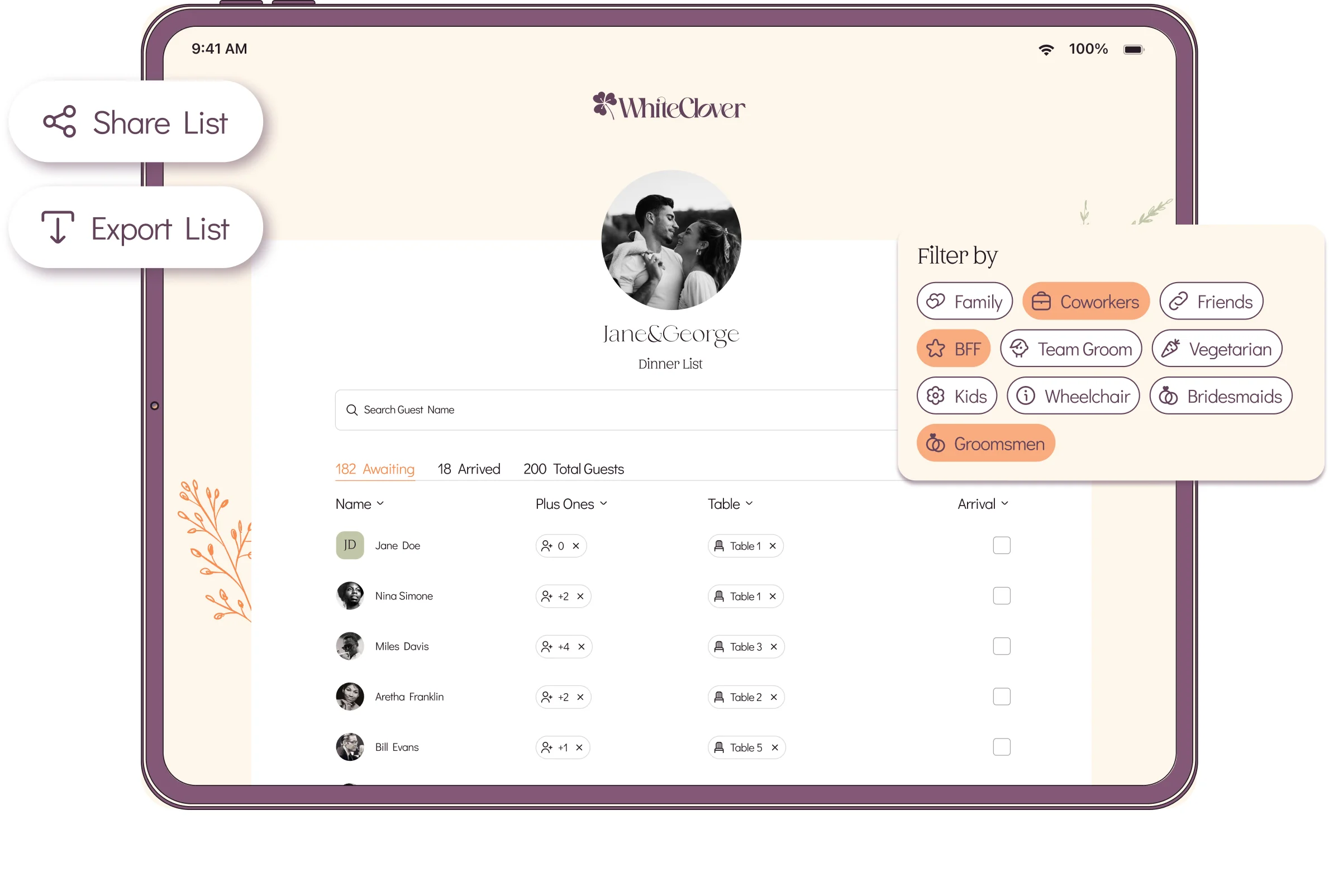
Utilise digital tools to streamline your wedding guest list. Platforms like WhiteClover offer sophisticated features that help you:
- Create categorised guest lists
- Track RSVPs automatically
- Send personalised digital invitations
- Manage dietary requirements
- Track gift registries
Remember that every additional guest increases your overall wedding expenses.
Consider establishing clear criteria for your invitations. Decide on parameters like plus-ones, children's attendance, and evening-only guests to maintain clarity and prevent potential misunderstandings.
Pro tip: Create a shared digital spreadsheet with your partner where you can collaboratively manage and update your guest list in real-time.
Step 3: Streamline invitations and RSVP collection digitally
Digital invitation management transforms the traditional wedding communication process, making it more efficient, interactive, and personalised. By leveraging modern technological tools, you can simplify your invitation workflow and track guest responses with unprecedented ease.
Begin by creating a comprehensive RSVP flow that centralises your guest communication. Digital platforms offer remarkable features that streamline the entire invitation process:
- Instant digital invitation distribution
- Real-time response tracking
- Automated reminder emails
- Personalised guest communication
- Dietary requirement collection
- Seamless guest list management
Utilise digital invitation platforms that provide end-to-end solutions. These tools allow you to:
- Design customised digital invitations
- Send personalised invites via multiple channels
- Track RSVP status automatically
- Generate attendance reports
- Manage guest communication effortlessly
Digital invitations reduce paper waste and provide instant, trackable guest interactions.
Consider implementing a unified digital system that integrates invitation management, guest tracking, and communication into a single, user-friendly platform. This approach minimises administrative burden and ensures a smooth planning experience.
Pro tip: Select a digital invitation platform that offers multiple communication channels and provides comprehensive analytics to help you monitor guest responses effectively.
To help you select the best digital invitation platform, consider this comparison:
| Platform Feature | Planning Benefit | Guest Experience Benefit |
| Multi-channel Invitations | Reaches more invitees efficiently | Offers preferred communication |
| Real-time RSVP Tracking | Enables immediate headcounts | Confirms attendance instantly |
| Automated Reminders | Reduces manual follow-ups | Helps guests respond promptly |
| Dietary Requirements | Ensures accurate catering numbers | Guests feel accommodated |
| Analytics & Reporting | Informs planning and adjustments | Improves overall event flow |
Step 4: Design your wedding website and event timeline
Your wedding website serves as a digital hub that connects guests, shares crucial information, and builds excitement for your special day. By creating a comprehensive online platform, you can streamline communication and provide a personalised experience for your wedding guests.
Begin by following a step-by-step wedding website guide that enables seamless website and timeline creation. Digital platforms offer powerful features to help you craft an engaging wedding website:
- Customisable design templates
- Interactive event schedule
- Guest information section
- Photo and gallery integration
- Travel and accommodation details
- RSVP and registry links
Develop a comprehensive event timeline that guides your guests through the entire wedding experience. Your timeline should include:
- Pre-wedding events (engagement party, rehearsal dinner)
- Wedding day schedule
- Ceremony and reception details
- Transportation information
- Post-wedding activities
A well-designed wedding website transforms guest communication from complicated to effortless.
Ensure your website reflects your unique wedding aesthetic, providing a seamless digital representation of your celebration. Consider incorporating elements that showcase your personal story and wedding vision.
Pro tip: Choose a website platform that offers mobile responsiveness and easy updating capabilities, allowing you to modify details without recreating the entire site.
Step 5: Coordinate with vendors and manage logistics
Successful wedding planning revolves around strategic vendor coordination and meticulous logistics management. By establishing clear communication channels and creating comprehensive tracking systems, you can transform potential stress into smooth, enjoyable preparation.
Managing vendor relationships effectively requires a systematic approach. Your vendor management strategy should encompass multiple critical elements:
- Detailed vendor contact information
- Clear contractual expectations
- Communication timelines
- Budget tracking for each vendor
- Performance benchmarks
- Backup contingency plans
Develop a robust vendor management system that centralises all interactions and documents. This approach helps you:
- Track vendor communications
- Monitor payment schedules
- Compare vendor proposals
- Maintain contract documentation
- Manage potential schedule conflicts
Transparent communication transforms vendor relationships from transactional to collaborative partnerships.
Prioritise regular check-ins and clear documentation to ensure all wedding professionals understand their roles, responsibilities, and specific requirements for your unique celebration.
Pro tip: Create a shared digital folder with all vendor contracts, communications, and key documents to maintain organisation and provide instant access to critical information.
Step 6: Collect and share high-quality photos and videos
Capturing and preserving your wedding memories requires a strategic approach to digital media management. Modern technology offers unprecedented opportunities to collect, curate, and share stunning visual mementos from your special day.
Preserving digital wedding memories with a private photo gallery involves more than simply taking photographs. Digital platforms now enable comprehensive multimedia collection with advanced features that transform traditional wedding documentation:
- High-resolution image uploads
- Video sharing capabilities
- Instant cloud storage
- Collaborative photo collections
- Privacy-controlled access
- Automatic backup systems
Develop a comprehensive photo and video strategy that ensures maximum coverage and quality:
- Brief professional photographers on desired shots
- Create a shared digital album for guest contributions
- Set up multiple capture points during the event
- Establish clear image and video sharing protocols
- Implement secure, private sharing mechanisms
Your wedding memories deserve professional-grade preservation and sharing.
Encourage guests to contribute their perspectives while maintaining control over your digital wedding archive. Modern platforms allow you to curate and moderate incoming content seamlessly.
Pro tip: Designate a specific hashtag and create a centralised digital collection point to streamline photo and video gathering from multiple sources.
Simplify Your Wedding Planning with WhiteClover
Planning a wedding involves managing numerous details from guest lists and budgets to invitations and vendor coordination. This article highlights the challenges couples face with organising their guest lists efficiently, designing event timelines, and collecting RSVPs digitally. WhiteClover is designed exactly to tackle these pain points by offering a comprehensive digital platform that streamlines every stage of wedding planning while reducing manual stress and confusion.
With features like creating personalised wedding websites, managing guest invitations and RSVPs, and even aggregating high-quality photos and videos in one secure space your guests can interact with, WhiteClover transforms complicated wedding preparation into an enjoyable experience. Automate your budget tracking, communicate seamlessly with vendors, and design a transparent event timeline that keeps everyone informed.
Ready to turn your wedding dreams into reality while keeping planning simple and stress-free? Visit WhiteClover today and explore how our all-in-one digital tools can help you organise your perfect day. Open your dashboard to create your personalised wedding website and manage your guest list with ease. Don’t wait, let WhiteClover guide you through a joyful, modern wedding planning journey.
Frequently Asked Questions
- How can I start planning my wedding using digital tools?
Begin by defining your wedding vision and budget. Use a budget tracker to categorise expenses, ensuring you stay within your financial limits as you move forward with planning.
- What should I include in my digital guest list management?
Your digital guest list should categorise attendees into groups such as family, friends, and colleagues. Utilise a digital platform to track RSVPs automatically and manage dietary requirements efficiently.
- How do I create a wedding website that effectively communicates with my guests?
Create a wedding website that includes all essential information such as event schedules, travel details, and RSVP options. Choose a platform that allows for easy updates and reflects your wedding’s aesthetic.
- What are the best practices for coordinating with wedding vendors using digital tools?
Implement a vendor management system that tracks communications, payment schedules, and contract details. Regularly check in with vendors to ensure everyone understands their roles and responsibilities for the day.
- How can I collect and share wedding photos and videos digitally?
Establish a strategy that includes shared digital albums for guest contributions and secure storage for professional images. Create a specific hashtag for social media to collect guest photos effortlessly.
- Why should I use digital invitations instead of traditional paper ones?
Digital invitations reduce paper waste and allow for real-time RSVP tracking. Utilise automated reminders to ensure your guests respond promptly, streamlining the entire invitation process.
Recommended
Written by
Konstantinos P.
Part of the WhiteClover team, helping couples and hosts plan unforgettable events with modern digital tools. Passionate about simplifying the celebration planning journey.
You Might Also Like
 Budget & Tools
Wedding Planning Hub: Budget & Vendors
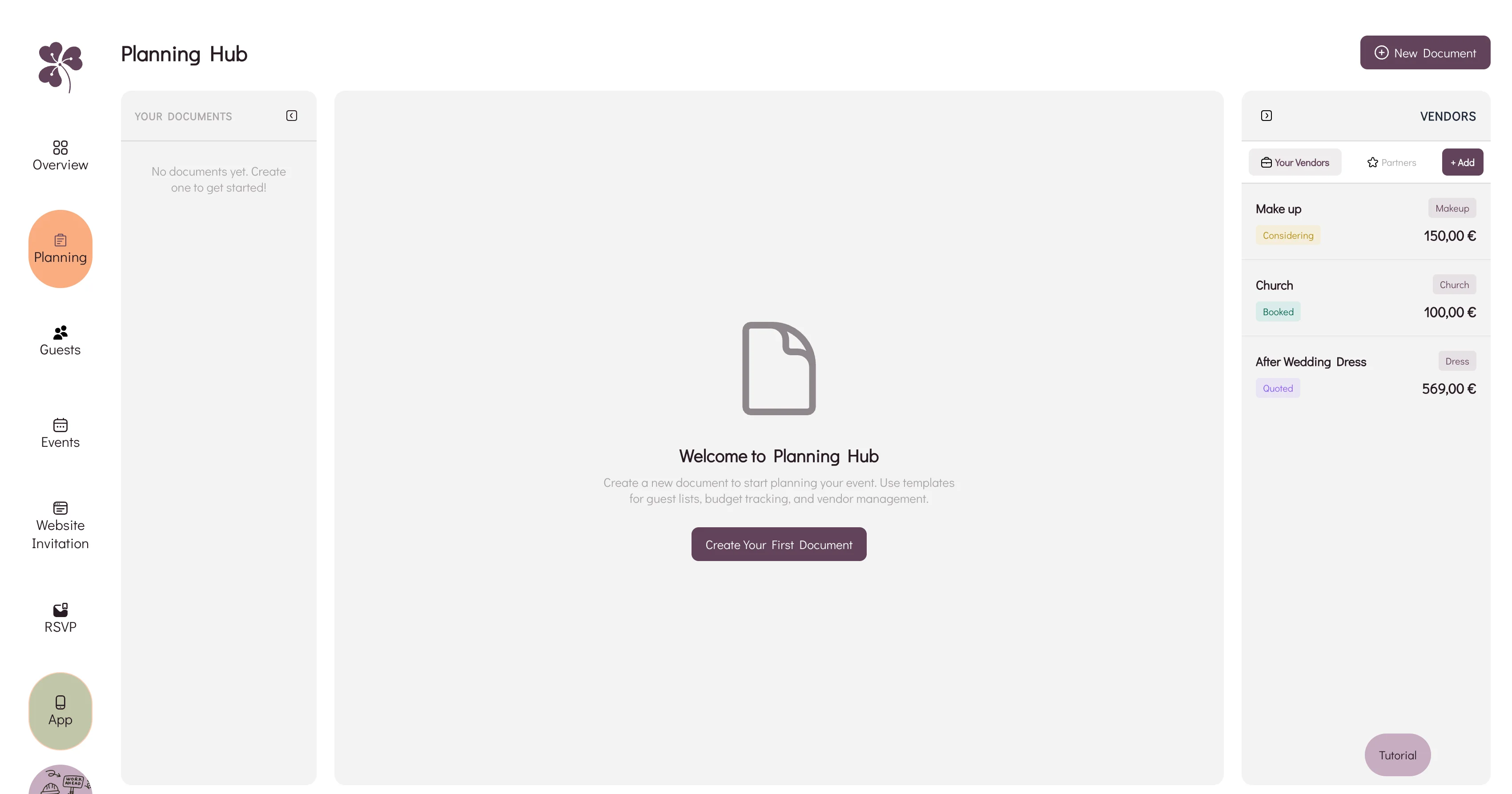
Why a spreadsheet, an inbox and a notes app stop agreeing with each other, and how WhiteClover's Planning Hub keeps budget and vendors in one view.
 Digital Tools
Wedding Planning Platforms: Key Benefits
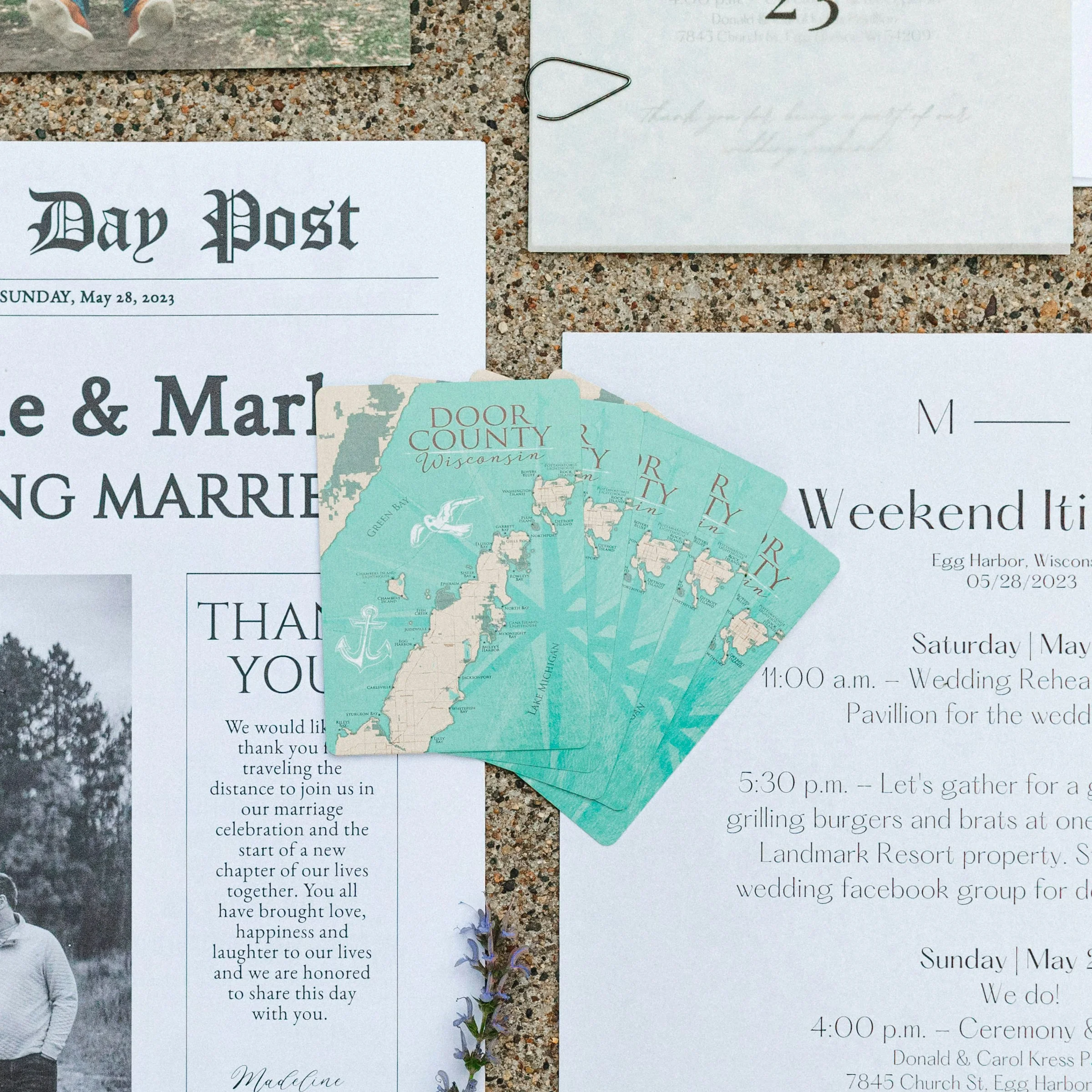
Wedding planning platforms centralise guest management, budgeting, vendor discovery and photo sharing. Learn about digital tools, features and costs.
 Digital Tools
Wedding Website Creation Step-by-Step
Discover step-by-step wedding website creation for couples to streamline planning, manage guests, and personalise event details using digital tools.