Advertisement
 Sponsored
Planning a destination wedding in Greece often feels overwhelming when you are balancing busy city lives and trying to coordinate details across borders. As digital wedding planning platforms rapidly replace traditional methods, couples now have access to comprehensive ecosystems that simplify vendor selection, budget tracking, and guest management in one place. This article explores how modern wedding platforms are transforming the planning experience, especially for urban couples seeking convenience and efficiency for their special day abroad.
Plan Your Event
One platform for every occasion: weddings, baptisms, corporate events and private parties.
Table of Contents
- Defining Wedding Planning Platforms Today
- Core Features And Functionalities Explained
- Types Of Platforms And Hybrid Solutions
- Impact On Guest Management And Communication
- Financial Benefits And Cost Implications
- Comparing Digital Platforms With Traditional Methods
Key Takeaways
| Point | Details |
| Emergence of Digital Solutions | Modern wedding planning platforms offer comprehensive tools that enhance accessibility and streamline the planning process for couples. |
| Financial Benefits | These platforms enable real-time budget management and cost reduction by eliminating traditional planner fees and providing competitive price comparisons. |
| Enhanced Guest Communication | Advanced technologies facilitate efficient guest management through automated invitations and real-time updates, improving overall interaction with guests. |
| Shift from Traditional to Digital | The integration of digital tools replaces manual processes with efficient, multi-channel communications and global vendor discovery, easing planning stress for couples. |
Defining wedding planning platforms today
In the contemporary digital landscape, wedding planning platforms have emerged as transformative technologies revolutionising event organisation. These sophisticated digital solutions represent far more than simple websites. They are comprehensive ecosystems designed to streamline every aspect of wedding preparation. Digital wedding service integration has fundamentally reshaped how couples approach their most significant celebration.
Modern wedding planning platforms offer an unprecedented range of integrated features that simplify complex event management processes:
- Centralised vendor information and booking systems
- Real-time budget tracking and financial management tools
- Guest list automation and digital invitation management
- Personalised wedding website creation, learn what a modern wedding website includes
- Collaborative planning dashboards for couples and families
The global wedding industry has experienced a profound digital transformation, with these platforms democratising access to professional planning services. Wedding technology now enables middle-income couples to access sophisticated planning tools previously available only to high-end wedding planners. Global wedding service digitalisation has dramatically increased accessibility and convenience for engaged couples worldwide.
The fundamental shift lies in replacing traditional, manual planning methods with web-enabled coordination platforms that provide comprehensive, user-friendly experiences. These digital solutions integrate multiple functions, from vendor selection to guest management, into intuitive, interconnected systems that reduce stress and increase efficiency.
Pro tip: Research multiple wedding planning platforms and compare their specific feature sets to find the most suitable option for your unique wedding vision and requirements.
Core features and functionalities explained
Wedding planning platforms have evolved into sophisticated digital ecosystems that offer comprehensive tools designed to transform event organisation. Core wedding platform features encompass a wide range of functionalities that address every conceivable aspect of wedding preparation, making the planning process more intuitive and stress-free.
The key functionalities of modern wedding platforms typically include:
- Event Management Tools
- Comprehensive wedding timeline and schedule creation
- Milestone tracking and deadline monitoring
- Customisable event workflow templates
- Budget Management
- Real-time expense tracking and budget and vendor management tools
- Budget allocation across different wedding categories
- Financial forecasting and spending alerts
- Guest Coordination
- Digital invitation management
- RSVP tracking and guest list organisation
- Communication and communication preferences tracking
Augmented reality technologies are revolutionising wedding platform capabilities, enabling couples to experience unprecedented levels of interactive planning. These advanced platforms now offer virtual venue previews, 3D design visualisations, and immersive vendor consultation experiences that were previously unimaginable.
Beyond basic planning tools, modern platforms integrate sophisticated communication and collaboration features. They provide real-time updates, automated task reminders, and seamless vendor coordination mechanisms that reduce communication gaps and streamline the entire wedding preparation process.
Pro tip: Select a wedding planning platform that offers comprehensive integration and customisation options to match your specific wedding vision and planning style.
Types of platforms and hybrid solutions
Wedding planning platforms have evolved into sophisticated digital ecosystems with diverse architectural approaches, ranging from simple web directories to comprehensive hybrid solutions that seamlessly integrate multiple planning functionalities.
The primary categories of wedding planning platforms include:
- Web-Based Directory Services
- Basic vendor listings
- Limited planning tools
- Simple information repositories
- Comprehensive Digital Planners
- Full-featured planning suites
- Integrated vendor management
- Advanced customisation options
- Hybrid Platform Models
- Combination of DIY and professional tools
- AI-driven recommendation systems
- Flexible user engagement levels
Hybrid wedding platform solutions represent the most sophisticated approach to digital wedding planning. These platforms offer unprecedented flexibility by incorporating artificial intelligence, communication channels, and comprehensive budget management tools that adapt to individual user preferences and planning styles.
Modern hybrid platforms distinguish themselves by providing interconnected experiences that bridge offline and online wedding preparation. They offer dynamic features such as real-time vendor communication, personalised planning workflows, and intelligent recommendation engines that help couples navigate the complex landscape of wedding organisation more effectively.
Here is a summary comparing types of wedding planning platforms and their distinguishing features:
| Platform Type | Key Characteristics | Ideal For |
| Web-Based Directory Services | Basic vendor search and contact information | Simple weddings, DIY couples |
| Comprehensive Digital Planners | Full planning tools, advanced customisation | Complex weddings, tech-savvy users |
| Hybrid Platform Models | AI recommendations, flexible engagement levels | Those seeking both control and support |
Pro tip: Evaluate wedding planning platforms based on their flexibility, integration capabilities, and ability to match your specific planning requirements and personal wedding vision.
Impact on guest management and communication
Wedding communication technologies have fundamentally transformed how couples interact with their guests, creating unprecedented levels of efficiency and personalisation. Virtual wedding planning services now provide sophisticated digital infrastructure that streamlines guest management through integrated messaging and coordination tools.
Key innovations in guest communication platforms include:
- Automated Invitation Management
- Digital RSVP tracking
- Instant response confirmation
- Automated reminder systems
- Communication Dashboards
- Centralised guest information
- Personalised communication channels
- Real-time status updates
- Engagement Tracking
- Guest preference collection
- Dietary requirement management
- Interactive event timeline sharing
These platforms eliminate traditional communication barriers by providing couples with comprehensive tools that transform guest interactions. Intelligent systems now enable instant messaging, automated notifications, and seamless information exchange, reducing planning stress and miscommunication.
The most advanced platforms incorporate artificial intelligence to predict guest needs, suggest personalised communication strategies, and provide intuitive interfaces that make event coordination feel effortless. By centralising communication and offering dynamic, interactive features, these technologies are redefining wedding guest management.
Pro tip: Choose a wedding planning platform with robust communication features that allow granular control over guest interactions and provide multiple engagement channels.
Financial benefits and cost implications
Digital wedding planning platforms represent a revolutionary approach to cost management, transforming how couples budget and allocate resources for their wedding celebrations. These innovative technologies offer substantial financial advantages by eliminating traditional overhead expenses and providing sophisticated budgeting tools.
Key financial benefits of digital wedding platforms include:
- Cost Reduction Strategies
- Elimination of traditional planner fees
- Direct vendor price comparisons
- Automated budget tracking
- Pricing Optimization
- Aggregated vendor listings
- Competitive pricing insights
- Transparent cost negotiations
- Financial Planning Tools
- Real-time expense monitoring
- Customisable budget allocations
- Predictive spending analytics
Wedding platform financial innovations have democratised wedding planning by providing couples with unprecedented financial transparency and control. These platforms enable users to make data-driven decisions, optimize spending, and access professional-grade planning resources without incurring significant additional costs.
Beyond direct cost savings, these digital solutions provide intangible financial benefits by reducing planning stress, minimising potential planning errors, and offering comprehensive insights that help couples make more informed financial choices throughout their wedding preparation process.
Pro tip: Leverage platform budget tracking features to set realistic financial boundaries and receive automated alerts when you approach spending thresholds.
Comparing digital platforms with traditional methods
Digital wedding platforms represent a fundamental paradigm shift in wedding planning, dramatically transforming how couples approach event organization. Unlike traditional methods reliant on physical interactions and manual processes, these innovative digital solutions offer unprecedented flexibility, efficiency, and global accessibility.
Key differences between digital and traditional wedding planning approaches include:
- Communication Mechanisms
- Digital: Instant, multi-channel messaging
- Traditional: Limited, face-to-face interactions
- Vendor Selection
- Digital: Comprehensive online marketplaces
- Traditional: Local, network-based recommendations
- Planning Workflow
- Digital: Automated task management
- Traditional: Manual tracking and coordination
- Information Accessibility
- Digital: Real-time, cloud-based updates
- Traditional: Static, paper-based documentation
Wedding planning technological innovations have fundamentally reimagined the planning landscape. Traditional methods, characterised by fragmented organization and limited transparency, are being systematically replaced by integrated digital platforms that provide comprehensive, user-centric experiences.
The most significant advancement lies in the platforms' ability to leverage artificial intelligence and data analytics, enabling couples to make more informed decisions, reduce planning stress, and create truly personalized wedding experiences that transcend geographical and logistical limitations.
The following table contrasts digital wedding planning platforms with traditional methods for clearer decision-making:
| Aspect | Digital Platforms | Traditional Methods |
| Communication | Instant, multi-channel messaging | In-person or phone conversations |
| Budget Management | Automated tracking, analytics | Manual calculators, paper records |
| Vendor Discovery | Global marketplaces, easy filtering | Limited to local networks |
| Planning Flexibility | Custom schedules, live updates | Fixed plans, less adaptable |
Pro tip: Evaluate wedding planning platforms by comparing their feature sets, integration capabilities, and alignment with your specific planning requirements and personal preferences.
Simplify Your Wedding Planning Journey with WhiteClover.io
Wedding planning platforms have transformed event organisation by offering integrated tools that reduce stress and improve coordination. If you find managing guest lists, budgets and communication challenging, WhiteClover.io provides a seamless digital solution designed specifically for modern couples and event planners. With features like personalised wedding website creation, real-time RSVP tracking, and the innovative Smart Save the Date & Contact Collector, you can take full control of your wedding preparations while keeping things enjoyable and organised.
Take the next step towards effortless planning by exploring how WhiteClover can bring your wedding vision to life. Discover its powerful guest management tools and vendor listings that align perfectly with the digital transformations discussed in the article. Create your wedding dashboard to start your hassle-free planning experience, save time, and keep your special day beautifully on track.
Frequently Asked Questions
- What are wedding planning platforms?
Wedding planning platforms are comprehensive digital solutions designed to streamline every aspect of wedding preparation, such as vendor management, budget tracking, guest coordination, and personalised planning tools.
- How can wedding planning platforms reduce planning stress?
These platforms offer automated task management, real-time updates, and integrated communication tools, which streamline workflows and reduce miscommunication, ultimately making the planning process more efficient and less stressful.
- What types of features should I look for in a wedding planning platform?
Key features to consider include event management tools, budget management systems, guest coordination capabilities, digital invitation management, and advanced communication functionalities.
- How do hybrid wedding planning platforms differ from traditional methods?
Hybrid platforms incorporate both DIY tools and professional assistance, utilising advanced technology like AI for personalised recommendations, whereas traditional methods rely on manual processes and face-to-face interactions.
Recommended
Written by
Konstantinos P.
Part of the WhiteClover team, helping couples and hosts plan unforgettable events with modern digital tools. Passionate about simplifying the celebration planning journey.
You Might Also Like
 Guest Experience
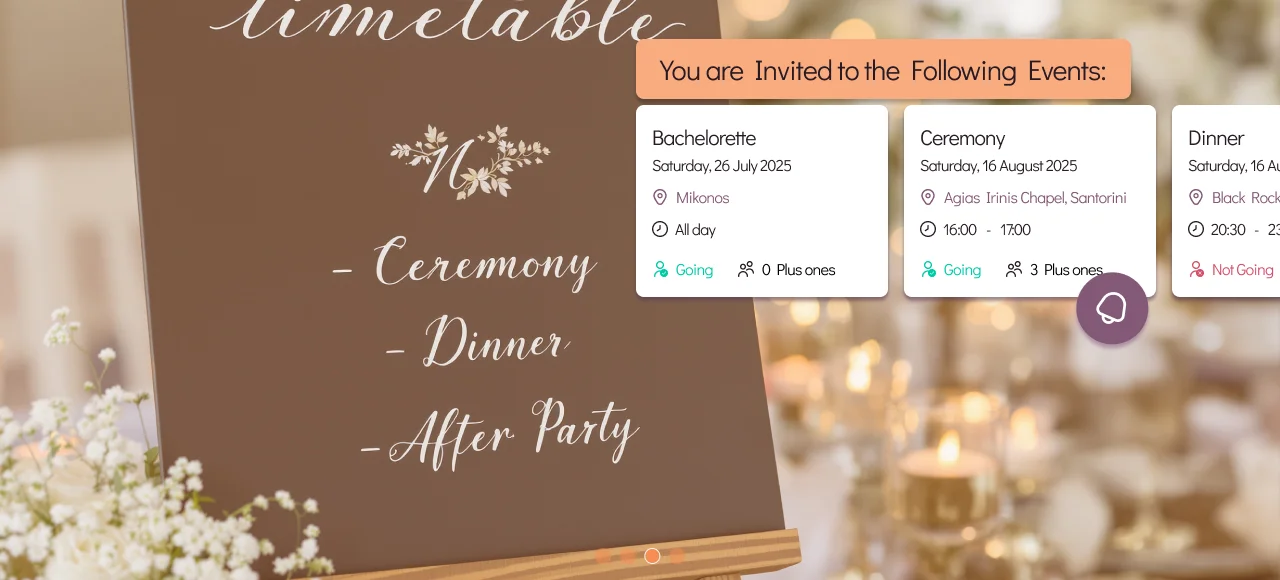
Guest list automation, Transforming wedding planning
Guest list automation streamlines wedding planning, simplifies RSVPs, minimises errors, and enhances social sharing. Explore features, benefits and risks.
 Budget & Tools
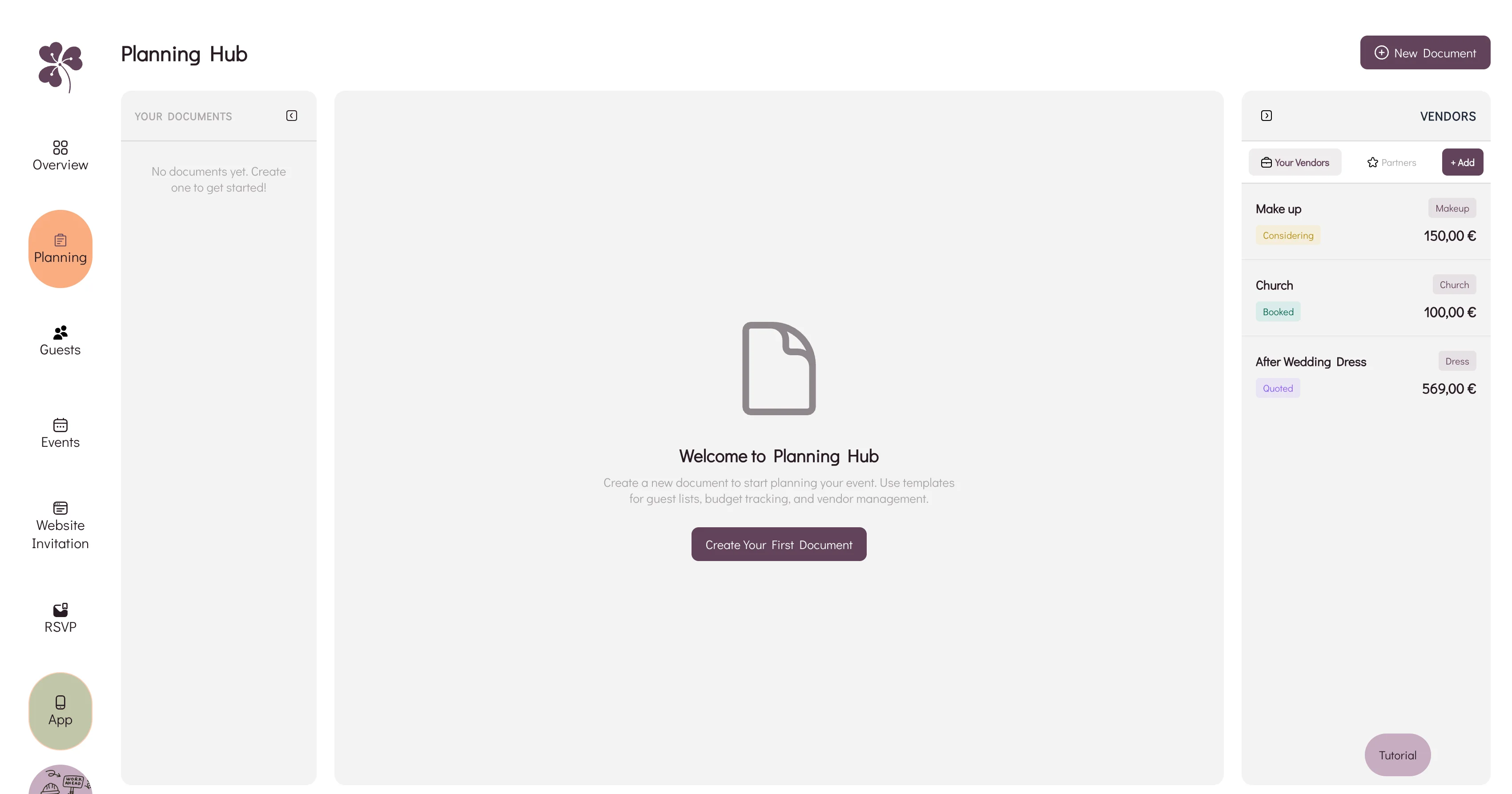
Wedding Planning Hub: Budget & Vendors
Why a spreadsheet, an inbox and a notes app stop agreeing with each other, and how WhiteClover's Planning Hub keeps budget and vendors in one view.
 Wedding Planning
How to plan wedding timeline for seamless celebrations
Discover how to plan wedding timeline step by step, ensuring a smooth wedding day schedule from preparation to flawless execution and happy memories.