
Advertisement
 Sponsored
Sorting out wedding priorities often brings couples face-to-face with the challenge of balancing dreams and making practical decisions. Whether you want an intimate gathering in California or a lively celebration in New York, honest conversations shape the mood, guest list, and venue. Embracing digital solutions and a clear wedding timeline lets both partners stay aligned and agile throughout planning. This guide unpacks how to set clear wedding priorities and use technology for cost-efficient, stress-free budgeting and guest management.
Plan Your Event
One platform for every occasion: weddings, baptisms, corporate events and private parties.
Table of Contents
- Step 1: Set Overall Wedding Priorities
- Step 2: Determine Your Total Available Budget
- Step 3: Allocate Funds Across Key Categories
- Step 4: Track Spending With Smart Tools
- Step 5: Adjust Allocations To Stay On Target
Quick Summary
| Essential Insight | Explanation |
| 1. Prioritise wedding elements | Discuss with your partner to identify top 3-4 wedding priorities that reflect your shared vision and individual expectations. |
| 2. Set a clear budget | Conduct a detailed assessment of personal savings, family contributions, and additional income sources to establish your total wedding budget. |
| 3. Allocate funds wisely | Use a standard percentage breakdown for typical expenses, adjusting based on what matters most to you as a couple. |
| 4. Track your spending proactively | Choose digital tools for real-time expense tracking and budget management to ensure transparency and collaboration throughout planning. |
| 5. Stay flexible in budgeting | Regularly review and adjust budget allocations to manage unexpected expenses, ensuring that your financial plan remains on target. |
Step 1: Set overall wedding priorities
Setting your wedding priorities requires honest communication and strategic planning with your partner. This crucial initial phase determines how you'll allocate your budget, time, and energy throughout the entire wedding planning journey.
Begin by scheduling an intimate conversation where you both discuss what truly matters to you. Reflecting on wedding priorities involves exploring your shared vision and individual expectations. Consider these key discussion points:
- Atmosphere and emotional experience
- Guest list size and composition
- Wedding location and venue style
- Cultural or family traditions
- Personal comfort and enjoyment
Your conversation should focus on understanding each other's non-negotiables. Some couples prioritise photography, while others might value gourmet catering or a specific musical experience. There's no universal 'right' approach - only what feels authentic to your relationship.
Your wedding's core priority is celebrating your love, not meeting external expectations.
Once you've identified your top 3-4 priorities, rank them in order of importance. This ranking will guide subsequent budgeting decisions and help you make informed compromises.
Here’s how wedding priorities influence your budget decisions:
| Wedding Priority | Typical Impact on Budget | Sample Trade-Off |
| Lavish venue | Increases venue allocation | Smaller guest list |
| Gourmet catering | Raises food costs | Modest decor |
| Artistic photography | Higher photo/video spend | Simpler cake |
| Live entertainment | Boosts entertainment budget | Fewer floral arrangements |
Pro tip: Create a shared digital document to track your wedding priorities, ensuring both partners remain aligned throughout the planning process.
Step 2: Determine your total available budget
Calculating your total wedding budget is a critical step that requires transparency, careful analysis, and realistic planning. This process involves understanding your financial landscape and establishing clear monetary boundaries for your celebration.
Evaluating your wedding budget involves a comprehensive assessment of your financial resources. Begin by gathering detailed information about potential funding sources:
- Personal savings dedicated to the wedding
- Direct contributions from family members
- Additional income you can realistically set aside
- Potential loans or financial support
Break down each potential funding source with precision. Discuss openly with your partner and any contributing family members about the exact amount they're willing and able to contribute. Be transparent about financial expectations to avoid misunderstandings later.
Your wedding budget is a collaborative financial plan, not a solo endeavour.
Consider regional cost variations and potential unexpected expenses. Financial experts recommend including a 10-15% buffer in your total budget to account for unforeseen circumstances or last-minute additions.
Pro tip: Create a shared spreadsheet to track all budget contributions and expenses, ensuring complete financial transparency between partners.
Step 3: Allocate funds across key categories
Allocating your wedding budget requires strategic planning and thoughtful consideration of your priorities. This crucial step transforms your total budget into a detailed financial roadmap for your celebration.
Wedding budget allocation follows a standard percentage framework that provides a practical starting point for most couples. Here's a recommended breakdown of typical wedding expenses:
- Venue and Catering: 40-50% of total budget
- Photography and Videography: 10-12%
- Attire and Accessories: 8-10%
- Flowers and Decor: 8-10%
- Music and Entertainment: 5-7%
- Wedding Rings: 3-5%
- Miscellaneous and Contingency: 10-15%
Remember that these percentages are flexible. Adjust categories based on your personal priorities and what matters most to you as a couple. Some might prioritise exceptional photography, while others may want a more lavish venue or gourmet catering.
Budgeting is an art of balancing desires with financial reality.
Consider creating a detailed spreadsheet or using a guest list and budget tool to track expenses within each category, allowing real-time monitoring and adjustments as you plan.
Pro tip: Use digital budgeting tools that allow collaborative tracking and instant updates to keep both partners informed and aligned.
Step 4: Track spending with smart tools
Managing your wedding budget requires more than just initial planning. It demands consistent tracking and real-time insights. Smart digital tools can transform your financial management from a complex chore into an effortless, collaborative process.
Wedding planning apps and platforms such as WhiteClover’s Planning Hub offer comprehensive solutions for budget monitoring and expense tracking. See our planning hub for an overview of how budget tracking, vendor management, and timeline tools work together. Consider these key features when selecting your digital budget companion:
- Expense categorisation with automatic tracking
- Real-time budget updates
- Vendor payment tracking
- Shareable dashboards for partner collaboration
- Customisable spending alerts
- Receipt storage and management
Choose an app that synchronises with your planning style. Some couples prefer detailed spreadsheet-like interfaces, while others want more visual, graph-driven representations of their spending. Most modern wedding planning apps offer multiple view options to suit different preferences.
Technology transforms wedding budgeting from a dreaded task into an engaging, transparent process.
Ensure both partners have access to the app and understand how to input and track expenses. Consistent, joint management prevents misunderstandings and keeps your wedding finances transparent.
See which budgeting tools suit different planning styles:
| Tool Type | Best For | Key Benefit |
| Spreadsheet | Detailed planners | Customisable categories |
| Mobile app | On-the-go tracking | Instant budget syncing |
| Web platform | Visual learners | Charts and reports |
| Shared document | Partners needing real-time edits | Collaborative flexibility |
Pro tip: Schedule weekly 15-minute budget check-ins using your chosen app to maintain financial alignment and catch potential overspending early.
Step 5: Adjust allocations to stay on target
Budget flexibility is the secret weapon of savvy wedding planners. Knowing how to redistribute funds strategically ensures you can accommodate unexpected expenses without derailing your entire financial plan.
Couples overspending strategies reveal several smart approaches to maintaining budget control:
- Identify your top three wedding priorities
- Create a contingency fund
- Look for cost-cutting alternatives
- Be willing to compromise
- Track incremental spending
Adopt a fluid budgeting approach. If you spend more in one category, immediately look for ways to reduce costs elsewhere. This might mean selecting a less expensive wedding cake, negotiating with vendors, or choosing off-peak wedding dates with lower venue rates.
Successful budget management is about strategic reallocation, not rigid restrictions.
Regularly review your spending together, discussing each significant expense and its impact on your overall budget. Communication and joint decision-making are crucial to preventing financial stress.
Pro tip: Create a 'trade-off' spreadsheet where you can visually map potential budget shifts, making financial adjustments transparent and collaborative.
Simplify Your Wedding Budget Planning with WhiteClover
Creating a wedding budget can be overwhelming with so many categories to manage and priorities to balance. The article emphasises how setting clear priorities and tracking expenses carefully helps couples stay on target without financial stress. If you find yourself struggling with real-time budget allocation or need a centralised place to organise your wedding planning tasks and guest communications WhiteClover offers a comprehensive digital suite designed exactly for those challenges.
With WhiteClover you gain smart tools for budget management, guest list organisation, vendor suggestions, and much more - all in one platform. Our unique features like the Smart Save the Date & Contact Collector and a private social media app for collecting high-quality photos and videos ensure your planning process is smooth and transparent. This means less time worrying about overspending and more time enjoying your engagement.
Take control of your wedding budget and planning today with WhiteClover. Discover how our integrated tools can help you prioritise expenses, collaborate seamlessly with your partner, and keep everything on track. Don’t wait to turn your wedding dreams into a beautifully organised reality.
Explore all the possibilities at WhiteClover and start your effortless planning journey now.
Frequently Asked Questions
- How can I set my wedding priorities effectively?
To set your wedding priorities effectively, have an open conversation with your partner about what matters most to both of you. Discuss aspects like the atmosphere, guest list, venue style, and personal traditions to identify your top 3-4 non-negotiables. Document these priorities to guide your planning process.
- What steps should I take to determine my total wedding budget?
Start by gathering detailed information about all potential funding sources, including personal savings and family contributions. Engage in a transparent discussion with your partner and family members about the exact amounts they can contribute, ensuring you have a collaborative financial plan.
- How should I allocate funds across different wedding categories?
Allocate your wedding budget by following a standard percentage framework, adjusting it based on your personal priorities. For instance, consider dedicating 40-50% of your budget to venue and catering while ensuring you track expenses in each category to maintain financial clarity.
- How can I effectively track my wedding spending?
Utilise digital tools designed for wedding budget tracking, ensuring they offer features like expense categorisation and real-time updates. Regularly input your expenses and schedule weekly check-ins with your partner to align on spending and address any discrepancies early on.
- What should I do if I start overspending in certain categories?
If you find yourself overspending, immediately look for areas where you can cut costs to balance your budget. Consider alternatives, negotiate with vendors, or reassess your priorities to find acceptable trade-offs that don't compromise your overall vision.
- How can I maintain flexibility in my wedding budget?
To maintain flexibility, regularly review your expenses and be open to reallocating funds between categories. For example, if you exceed your budget on catering, see where you can reduce costs in areas like décor to keep your overall spending on target.
Recommended
Written by
Ioanna V.
Part of the WhiteClover team, helping couples and hosts plan unforgettable events with modern digital tools. Passionate about simplifying the celebration planning journey.
You Might Also Like
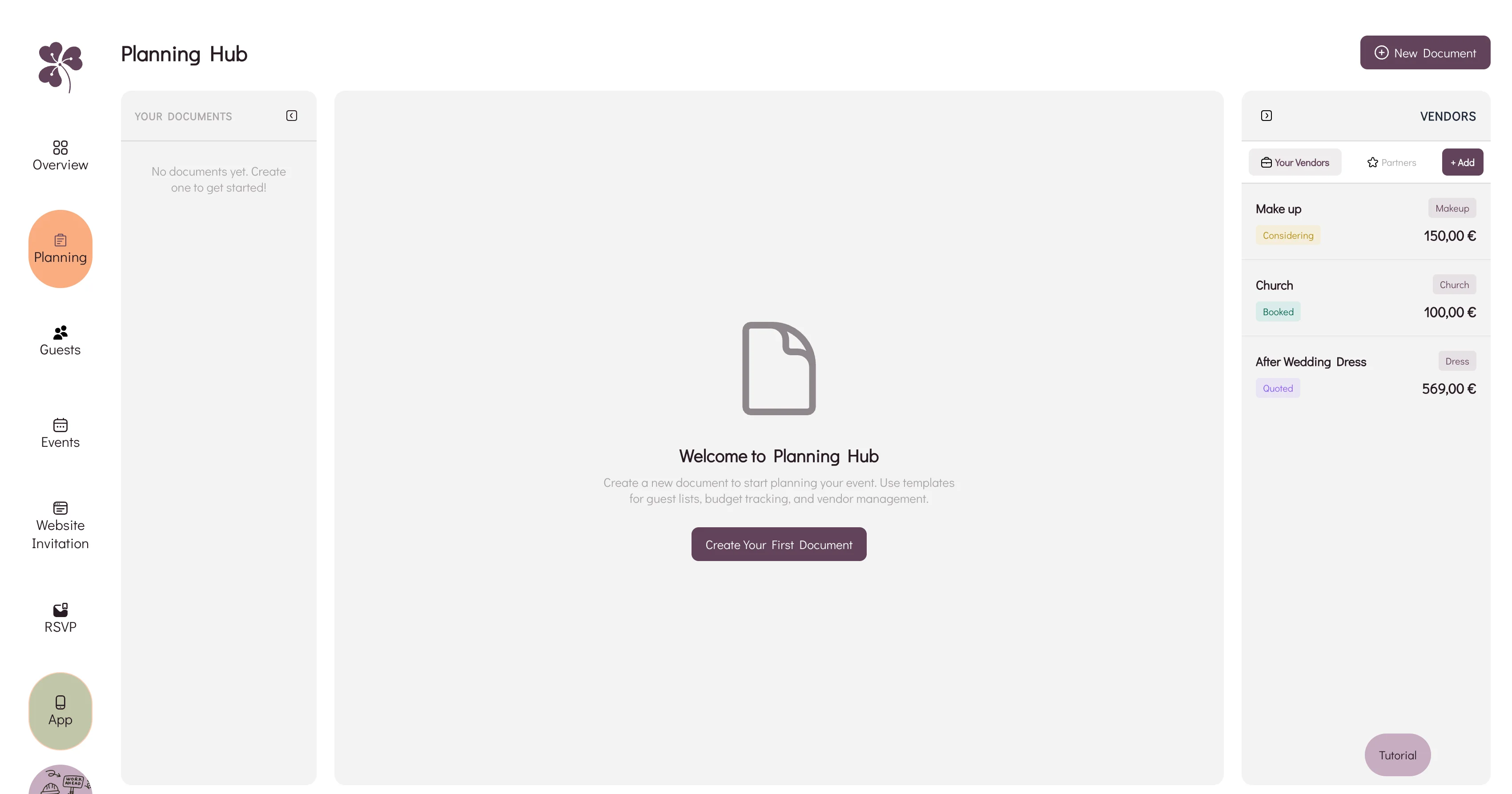 Budget & Tools
Wedding Planning Hub: Budget & Vendors
Why a spreadsheet, an inbox and a notes app stop agreeing with each other, and how WhiteClover's Planning Hub keeps budget and vendors in one view.
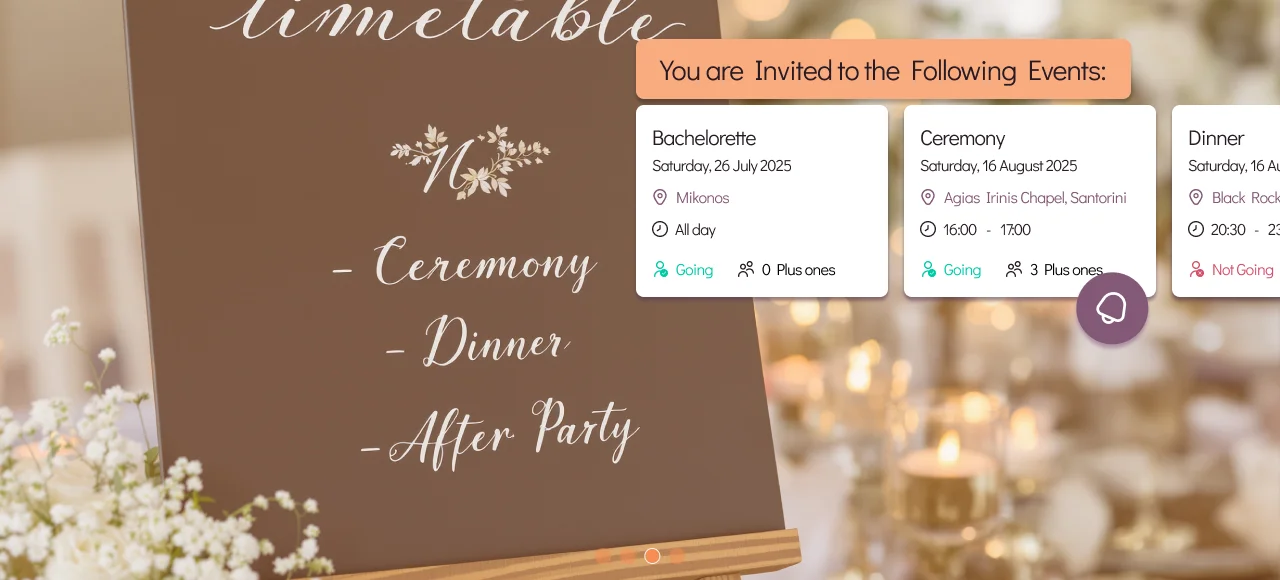 Checklists
6 Steps for a Complete Wedding Planning Checklist
Discover a wedding planning checklist with 6 key steps designed for tech-savvy couples, making destination weddings in Greece smooth and stress-free.
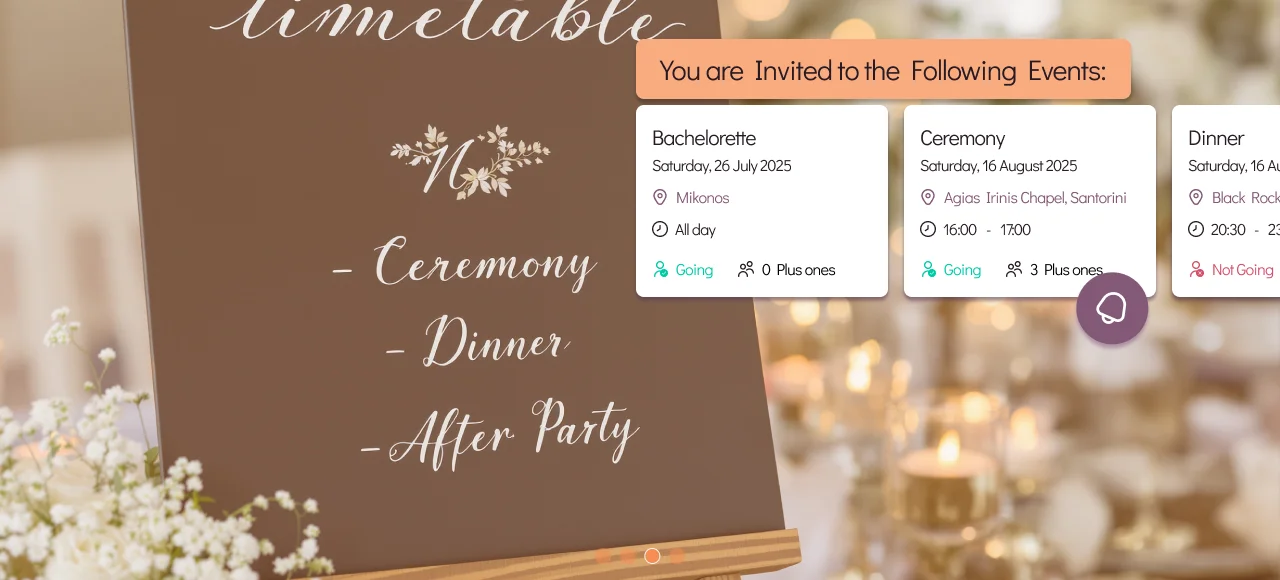 Guest Experience
Guest list automation, Transforming wedding planning
Guest list automation streamlines wedding planning, simplifies RSVPs, minimises errors, and enhances social sharing. Explore features, benefits and risks.